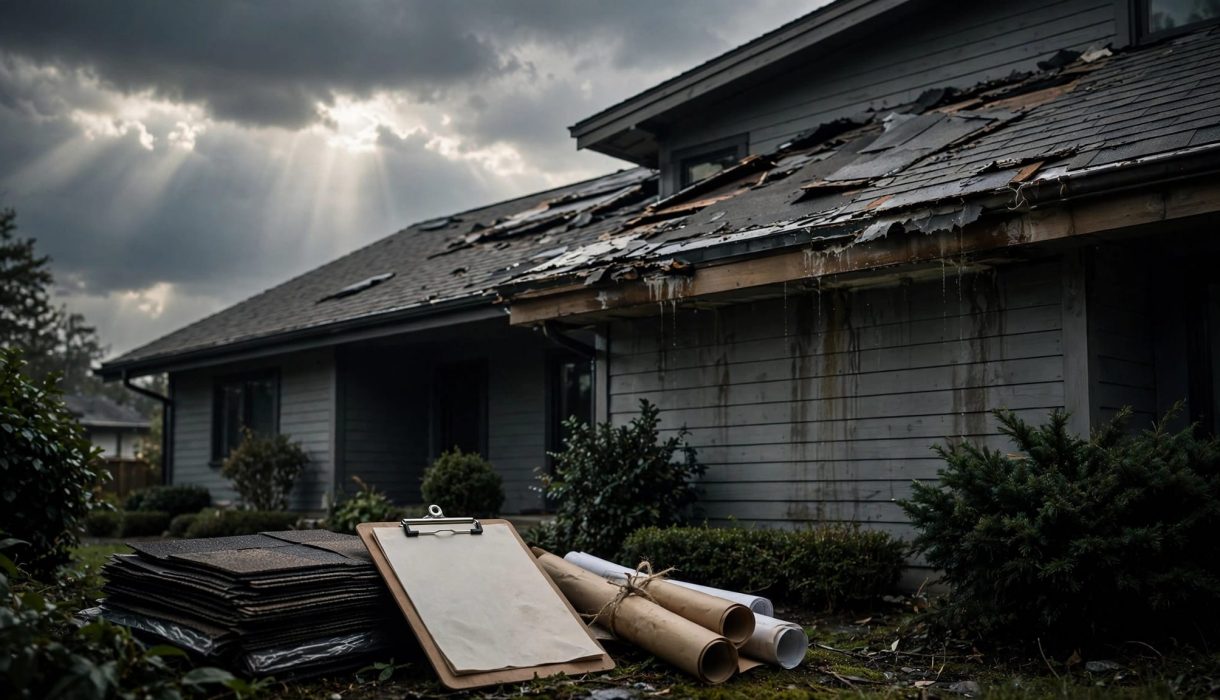

If you’re searching for advice on “selling house damaged roof” problems, the practical choice is usually clear: repair the roof, offer a buyer credit, or sell the property as-is. Each option affects your price, timeline, inspection results, and the buyers who can use traditional financing.
You don’t need to guess at the roof’s condition or promise work you haven’t completed. Get a qualified roofing estimate, disclose known problems, and compare the likely cost against the price and convenience of each sale path.
Selling House Damaged Roof: What Changes in the Sale
A damaged roof doesn’t automatically prevent a sale. It does change the questions buyers, inspectors, lenders, and insurers will ask.
Inspection and buyer negotiations
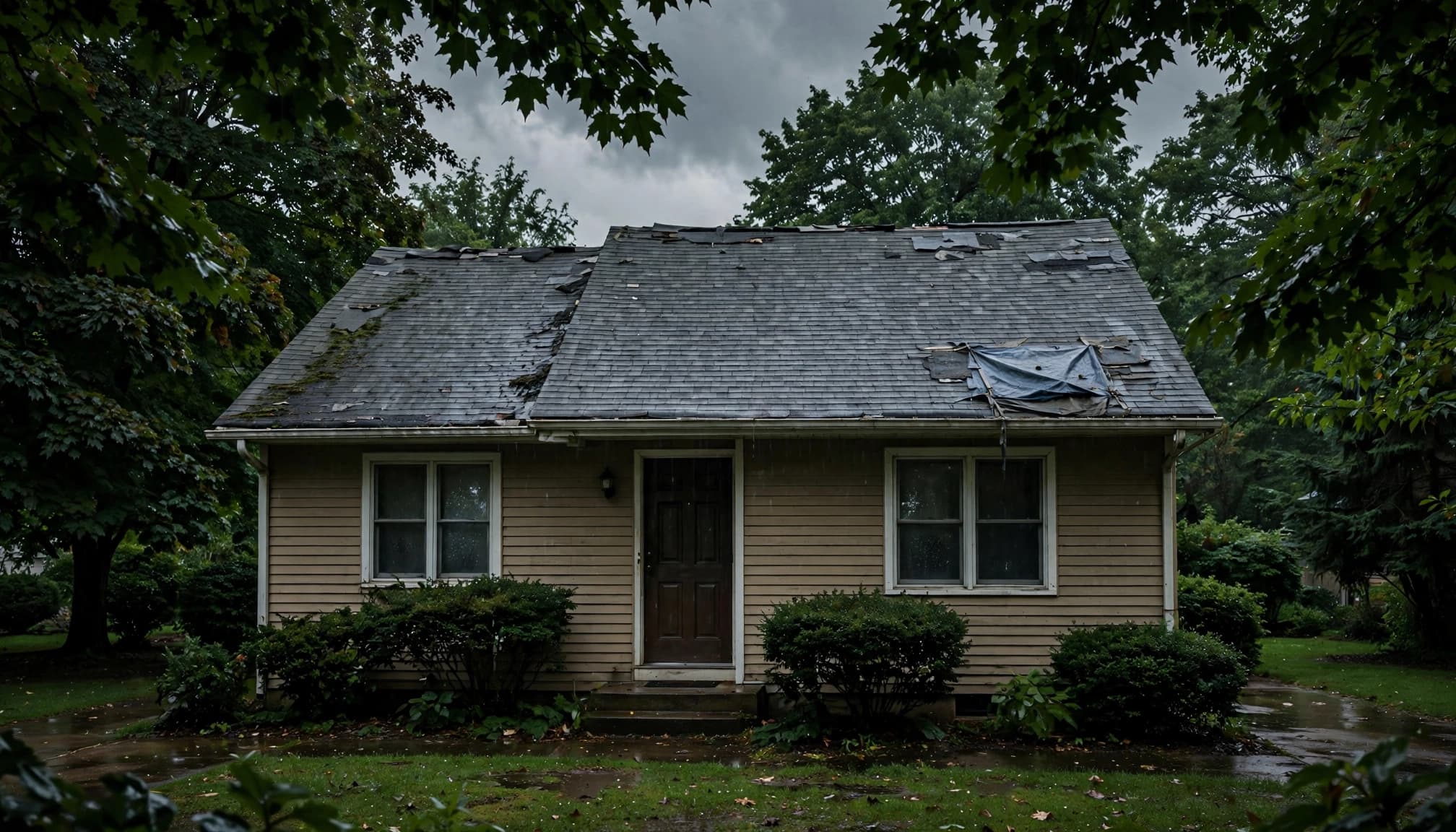
A buyer’s inspection may identify missing shingles, active leaks, soft decking, water stains, poor flashing, or signs of an older roof near the end of its useful service. An inspector may recommend a roofing contractor review the condition. The buyer may then request repairs, a price reduction, a closing credit, or the right to cancel under the contract.
The roof may also affect the home’s appraised condition. Fannie Mae’s property condition guidance addresses conditions that can affect a property’s eligibility for financing.
A roof estimate gives you a stronger position. You can discuss a known $12,000 replacement differently from an uncertain roof that a buyer assumes could cost $25,000.
Financing and insurance concerns
The buyer’s lender may require repairs before closing, money held back for repairs, or additional documentation. The exact requirement depends on the loan program, property condition, lender, and location.
FHA appraisal guidance can require the appraiser to state whether a roof should be repaired or replaced. Leaks or moisture caused by roof problems may also be reported. HUD’s valuation protocol explains the appraisal’s role in determining whether a property meets FHA-insured mortgage standards.
Insurance creates another possible issue. A buyer may have trouble obtaining coverage for an older or damaged roof, or the insurer may limit coverage. Fannie Mae’s property insurance requirements include requirements related to roof insurance, but insurers and lenders may apply their own rules.
Repair the Roof, Take a Credit, or Sell As-Is?
There isn’t one correct answer for every property. The right choice depends on the roof estimate, your available cash, the local market, and how much certainty you need.
When repairing may make sense
Repairing or replacing the roof can make the home easier to finance and insure. It may also reduce inspection objections and give buyers more confidence.
Repair first when the work is clearly defined, you can pay for it without creating a financial problem, and comparable homes suggest buyers will pay more for a property with a sound roof. A licensed roofing contractor should identify the work required. A real estate professional can help estimate whether the expected sale price supports the expense.
A new roof doesn’t guarantee that you will recover the full cost. The result depends on the market, the material, workmanship, permits, and the rest of the property’s condition.
If you complete the work, keep the signed contract, paid invoice, permit records, warranty information, inspection reports, and before-and-after photos. Fannie Mae’s requirements for completed and postponed improvements show why lenders may ask for proof that repairs were completed correctly.
When a credit or as-is sale may be practical
A closing credit can work when the buyer has financing that permits it and both sides agree on the amount. You avoid managing the project, but the buyer may still want a larger credit after inspection.
An as-is sale means you are not agreeing to make repairs as part of the listing terms. It does not mean you can hide a known leak, deny prior damage, or state that the roof is sound without evidence.
A direct cash buyer may inspect the property, account for the roof work, and make an offer based on the expected repair cost and project risk. That can reduce showings and repair coordination, but the offer may be lower than the price of a fully repaired home. Read the written offer carefully and confirm the buyer, title company, fees, contingencies, and closing conditions.
Get a Qualified Roof Estimate Before Deciding
A roof estimate is useful even if you plan to sell without making repairs. It turns a vague problem into a documented cost range.
Separate minor repairs from replacement
Ask the roofer to state whether the roof needs a repair, partial replacement, or full replacement. Request details about damaged shingles, flashing, decking, ventilation, gutters, underlayment, and any active moisture.
Get more than one estimate when the project is large or the first recommendation is unclear. Confirm that the contractor is licensed where required, carries appropriate insurance, and can provide references. Requirements vary by location.
Don’t rely on a quick visual opinion from a buyer, agent, or general contractor when the roof is central to the sale. Their observations may help, but a qualified roofing contractor should assess roofing work.

Collect the records buyers will request
Gather any records connected to the roof before listing or accepting an offer. That includes repair invoices, permits, warranties, insurance claims, inspection reports, and information about past leaks.
If you don’t have a record, say that you don’t have it. Don’t estimate the roof’s age unless you have a reliable basis for the estimate. Don’t describe a repair as permanent if the contractor only completed temporary work.
A written estimate protects you from guessing, but it doesn’t transfer responsibility for the roof’s condition to someone else.
What an Old Roof May Cost to Replace
Roof prices vary by location, roof size, pitch, labor rates, access, permits, material, and hidden damage. The available 2026 estimates do not agree, so use them for planning only.
National estimates are broad
Modernize reports a 2026 range of $7,500 to $30,000, with many standard asphalt-shingle roofs between $9,000 and $18,000. RoofVista estimates $10,000 to $16,000 for a 2,000-square-foot home with architectural asphalt shingles. RoofingCalculatorHQ reports $8,500 to $14,800 for a typical 2,000-square-foot asphalt-shingle replacement, with a midpoint near $11,200.
SquareDash reports an average of $8,450 for a standard 2,000-square-foot home, based on more than 8,900 completed replacements from January 2025 through March 2026. The difference between these figures is a reminder to get local bids instead of using a national average as a promise.
Material choice changes the calculation. Modernize lists metal roofing at about $21,000 to $42,000 and natural slate at about $55,000 to $90,000. Those figures don’t apply to every property or contractor.
Location affects the estimate
SquareDash gives these 2026 examples for a 2,000-square-foot home with architectural shingles:
| State | Estimated replacement range |
|---|---|
| Mississippi | $5,800 to $8,200 |
| Texas | $7,200 to $11,400 |
| Florida | $8,800 to $13,600 |
| New York | $10,800 to $15,200 |
| California | $11,500 to $16,000 |
These ranges show why a seller in one state shouldn’t use a quote from another state. Weather exposure, labor, building codes, permits, material availability, and roof design all affect the final amount.
Disclosure Is Required Even in an As-Is Sale
Disclosure rules vary by state. They may also depend on the property type, the transaction, and what you actually know about the condition.
What to disclose
Tell your real estate professional and buyer about known leaks, roof damage, prior repairs, insurance claims, water intrusion, permits, and contractor findings. Include the information required by your local disclosure form.
California uses a Transfer Disclosure Statement. Texas uses the Seller’s Disclosure Notice issued by TREC. Other states use different forms and rules. A licensed real estate professional or real estate attorney can explain what applies where the property is located.
Don’t conceal stains with fresh paint before an inspection. Don’t remove damaged materials without documenting the problem. Don’t say “no leaks” if you know about a past or current leak.
Why “as-is” does not remove the duty to disclose
“As-is” describes the seller’s repair position. It doesn’t erase the duty to answer required questions honestly or disclose known material defects.
The buyer still may inspect the home, request documents, and make the contract subject to financing or other contingencies. A seller who provides clear records gives the buyer a better basis for deciding whether to proceed.
If you aren’t sure whether a fact must be disclosed, ask a local attorney. Disclosure mistakes can create disputes after closing, and state rules differ.
Prepare for Inspection, Financing, and Insurance Questions
Roof problems often create delays because the parties discover them at different stages. You can reduce confusion by preparing the same information for your agent, buyer, lender, and title company.
Before listing the property
Decide whether you will repair, offer a credit, or sell as-is. Obtain the roofing estimate first. Ask your agent how local buyers respond to similar homes and whether the expected list price should reflect the roof work.
If you need speed or don’t want to manage contractors, compare a traditional listing with a direct cash offer. Ask how the offer was calculated, which repairs were included, what fees apply, whether there are inspection or financing contingencies, and who handles closing.
Before accepting an offer
Read the inspection, financing, appraisal, insurance, and repair terms carefully. A cash offer may remove a mortgage contingency, but it doesn’t automatically remove inspection rights or title requirements.
The closing date also depends on title work, payoff information, probate issues, liens, and the contract. No buyer can guarantee a closing date before these items are reviewed.
FAQ About Selling a House With a Damaged Roof
Can I sell a house with an old roof?
Yes. An old roof can still be serviceable, but buyers may ask for an inspection, repair records, a price adjustment, or insurance information. The sale terms depend on the roof’s actual condition and local requirements.
Do I have to replace a leaking roof before selling?
Usually, a seller is not required to replace the roof before listing. The contract, local law, buyer’s lender, insurer, or government-backed loan program may create repair requirements. Ask a local real estate professional or attorney before making a decision.
Is selling a house with a damaged roof as-is legal?
An as-is sale may be permitted, but the seller still must disclose known defects where required. As-is language doesn’t support false statements or concealment. Use the disclosure form required in your area and provide accurate records.
Will buyers with mortgages purchase a house with roof damage?
Some may, while others may not. The lender and insurer may require repairs, a credit, documentation, or a different loan structure. Cash buyers may have fewer financing conditions, but they still may inspect the property and adjust the offer for roof work.
Make the Roof Decision With Records, Not Guesswork
Selling a house with a damaged roof doesn’t require one automatic solution. Repairing may improve marketability, a credit may divide the cost, and an as-is sale may reduce project management. None guarantees a certain price or timeline.
Start with a qualified estimate, disclose what you know, and have the contract reviewed under local rules. The strongest selling house damaged roof decision is the one based on a documented condition, a clear offer, and no unsupported promises.


