

A vacant property can cost you money every month without producing anything in return. Utilities, lawn care, insurance, taxes, repairs, and unauthorized entry can continue while you’re hundreds of miles away.
If you need to sell vacant house property from another state, the main issue is control. You need reliable access, accurate information about the house, local professionals, and a closing process that doesn’t depend on you being there in person.
Key Takeaways
- Start with a local inspection before deciding how to sell.
- Use one trusted person to coordinate access, photos, maintenance, and appointments.
- Don’t assume the property is in the condition you remember.
- Compare repair costs and carrying costs against the likely sale price.
- Confirm disclosure, title, tax, insurance, notarization, and recording requirements locally.
- A traditional listing may bring a higher gross price, while an as-is or cash sale may reduce work and uncertainty.
How to Sell Vacant House Property From Out of State
The first step is not putting the property on the market. It is finding out what you own, what condition it is in, and whether anyone has access to it.
A vacant house should be checked in person by someone you trust. That could be a property manager, licensed inspector, contractor, real estate agent, neighbor, or family member. Choose someone who can give you direct answers and clear photos.
Confirm the property’s condition
Ask the local contact to check the roof, plumbing, electrical system, heating and cooling equipment, basement, crawl space, windows, exterior doors, and visible signs of water damage. Have them look for pests, mold, frozen pipes, storm damage, and unpaid utility notices.
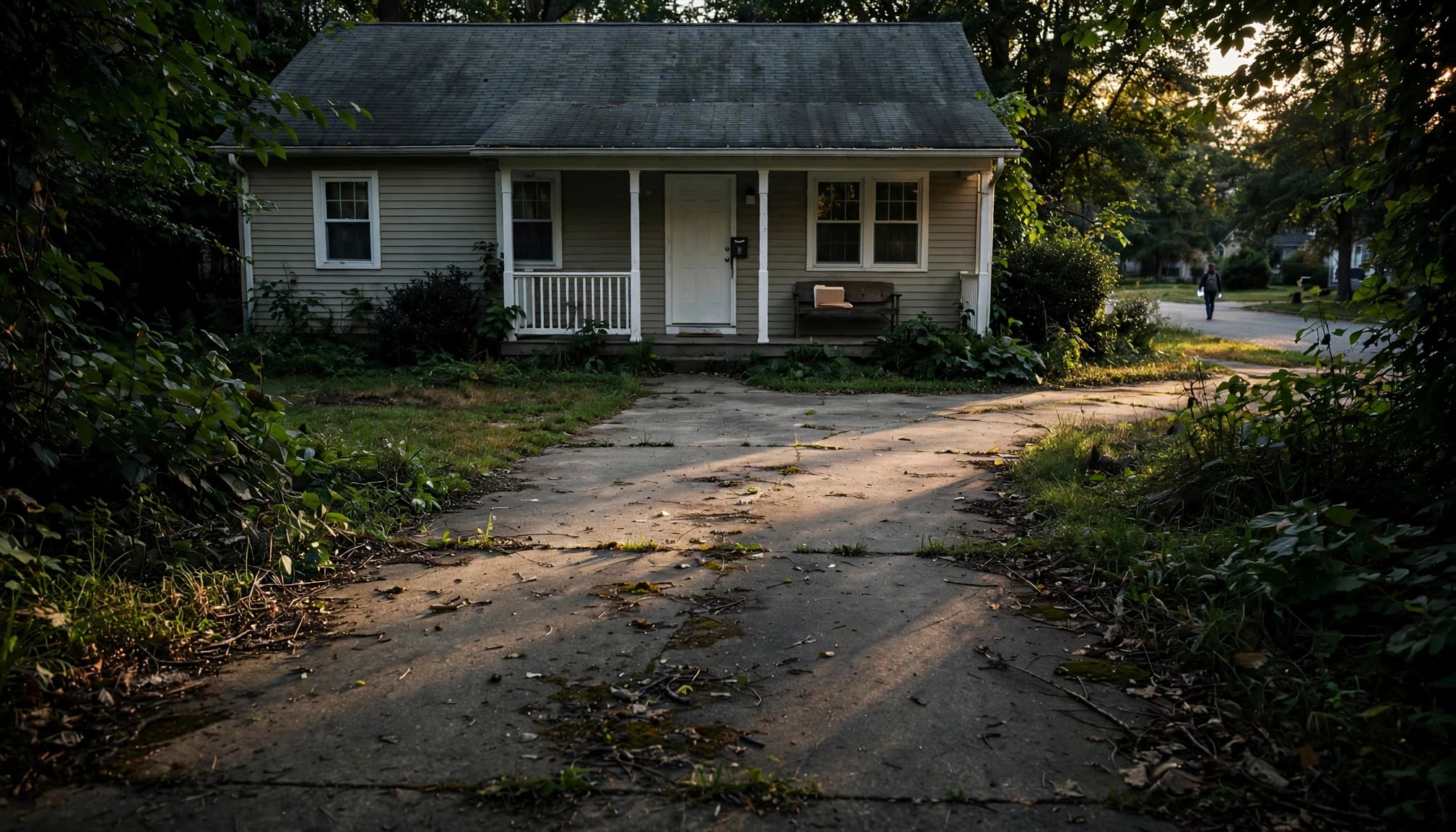
The inspection should also confirm whether the house is empty. A property that appears vacant may still contain belongings, have a tenant, or show signs of unauthorized entry.
Don’t rely on old listing photos or your last visit. Vacant houses can deteriorate quickly, especially when water, heat, security, and yard maintenance aren’t monitored.
Secure access
Change the locks if you don’t know who has keys. A combination lockbox can help coordinate access with inspectors, agents, contractors, and buyers. Keep a written record of who has the code and change it when the property is sold.
Ask someone to visit after severe weather and before important appointments. A remote sale becomes harder when a contractor arrives to find a broken window, a flooded room, or no way inside.
Build a Local Selling Team
You don’t need to manage every task yourself. You do need one clear chain of responsibility.
Give each person a defined job. One person can coordinate access. Another can handle repairs. The title company or closing attorney can manage ownership records and closing documents. Don’t assume a real estate agent will handle maintenance, winterization, or emergency repairs unless that duty is written into your agreement.
Choose one local point of contact
A local point of contact should have permission to enter the property, meet vendors, send photos, and report problems. If the property is inherited, make sure the person also understands who has authority to approve work and sign documents.
Use email or a shared folder to keep inspection reports, invoices, photographs, contractor estimates, utility records, and insurance information together. Written records help when several people are involved.
Coordinate the professionals
Depending on the property, you may need:
- A home inspector or contractor to document condition.
- A real estate agent to prepare a listing and arrange showings.
- A title company or real estate attorney to check ownership and liens.
- A property manager or caretaker for lawn, snow, utilities, and access.
- An insurance agent to confirm coverage while the house is vacant.
Ask for written estimates before approving repairs. Set a spending limit for emergency work. Require photographs before and after larger jobs.

Decide Whether to Repair, List, or Sell As-Is
A vacant house does not automatically need a full renovation. It needs a selling plan based on condition, market demand, time, and available cash.
Ask for comparable sales from the same area and similar property types. Then subtract known repairs, contractor costs, holding expenses, agent commissions, closing costs, and a reserve for problems that have not been found.
Repairs may make sense
Repairs can help when the work is limited, the market is strong, and the improvements address issues buyers commonly reject. Cleaning, debris removal, landscaping, paint, and basic safety repairs may be enough.
Large projects are different. A new roof, foundation work, plumbing replacement, or full electrical update can create delays and cost overruns. Get more than one estimate when practical, and don’t approve work based on a verbal promise.
An as-is sale may fit better
Selling as-is can reduce coordination. You may avoid repairs, repeated showings, and months of carrying costs. The tradeoff is that the offer may reflect the buyer’s repair budget, project risk, financing limits, and expected resale value.
A direct residential buyer may purchase a house in its current condition and close through a local title company. That can be useful when you need a fixed point of contact and don’t want to prepare the property for showings. Review the written offer, deductions, inspection rights, closing costs, and cancellation terms before signing.
An “as-is” sale does not answer every disclosure question. State law may still require information about known defects or other property conditions. Ask a local real estate attorney or licensed agent what applies where the house is located.
Prepare the House for Marketing
Preparation depends on the selling method. A listed property usually needs better presentation. An as-is buyer may need only safe access and enough information to evaluate the project.
Remove personal items, trash, and hazardous materials. Arrange a basic cleaning if the property can be safely entered. Keep the utilities on when they are needed for inspections, plumbing protection, or showing access.
Have the yard maintained and address obvious entry points. If the property is in a cold climate, ask a local professional whether it should be winterized. Do not shut off utilities without confirming the effect on pipes, alarms, sprinklers, appliances, and insurance coverage.
Take current photographs of every room, the exterior, the roof if safely possible, mechanical equipment, damage, and remaining belongings. Date the photographs. If the condition changes, update them.
Remote showings can work when the property is clean, safe, and accessible. A local person can provide a video walkthrough, but a video is not a substitute for an inspection. Buyers and insurers may need their own professional review.
Review Offers and Due Diligence
The highest offer is not always the strongest offer. Compare the full terms before deciding.
Review:
- The purchase price and estimated net proceeds.
- Financing or proof of funds.
- Inspection and appraisal rights.
- Earnest money and deposit deadlines.
- Closing date and possession terms.
- Repair requests and cancellation rights.
- Title, survey, permit, and document requirements.
- Who pays specific closing costs.
Ask the buyer or agent to explain every contingency in plain language. A financed offer may depend on an appraisal and lender approval. A cash offer may still include an inspection period or title contingency.
Request a settlement statement or net sheet before accepting an offer when available. It should show expected proceeds after commissions, taxes, liens, credits, repairs, and other charges. The final amount can change if title issues or agreed repairs appear later.
Don’t give wiring instructions by email alone. Confirm them through a known phone number for the title company or closing attorney. Wire fraud can occur even when an email looks familiar.
Plan the Remote Closing
Many out-of-state sellers can sign without returning to the property state. The available process depends on the state, the title company, the closing attorney, the lender, the notary, and the type of documents involved.
Possible arrangements include:
- Signing before a local notary in your current state.
- Using a mobile notary who meets you at an approved location.
- Completing some documents online and others in person.
- Granting a properly prepared power of attorney when permitted and appropriate.
- Traveling to the property for signing when remote options aren’t available.
Remote online notarization rules are not the same everywhere. The National Notary Association explains the basic process in its guide to remote online notarization. State restrictions can affect whether a notary may handle the signing, so review the state restrictions for signing agents before scheduling it.
Ask the title company these questions early:
- Can I sign remotely from my current state?
- Will documents need original ink signatures?
- Is online notarization accepted for this deed?
- Can a local notary or attorney supervise the signing?
- How will the deed be recorded?
- When will sale proceeds be released?
- What identification and ownership documents are required?
The Mortgage Bankers Association also tracks differences in remote online notarization adoption. Treat the closing company as the final authority for your transaction.
Check Taxes, Insurance, and Final Disposition
Selling a vacant house can create tax and insurance issues that should be handled before closing, not after.
Review basis and potential gain
For tax purposes, gain generally depends on the difference between your adjusted basis and the amount realized from the sale. The IRS describes this in its guidance on capital gains and losses, but your facts determine the result.
Inherited property often requires separate attention. The basis is generally tied to the property’s fair market value on the date of death, subject to applicable rules and exceptions. Keep the appraisal, estate records, closing statement, improvement receipts, and prior tax documents.
A primary-home exclusion may apply in qualifying situations, including the commonly cited $250,000 limit for single taxpayers or $500,000 for married couples filing jointly. A vacant inherited house or rental property does not automatically qualify. Ask a tax professional before treating the exclusion as available.
Confirm coverage and close out services
Tell your insurance carrier that the property is vacant. Vacancy terms, required inspections, endorsements, and coverage limits vary by policy and state. Don’t assume a standard homeowners policy provides the same protection while nobody lives there.
Before closing, confirm who is responsible for utilities, lawn care, snow removal, alarms, and property access. Take final meter readings when practical. Cancel or transfer services only after the title company confirms that closing has occurred and possession has changed.
The state where the property is located may also impose transfer taxes, withholding rules, disclosure duties, or recording requirements. A local attorney, title professional, tax adviser, and insurance agent can confirm the rules that apply.
FAQ
Can I sell a vacant house without visiting it?
Often, yes. You still need someone local to inspect the property, provide access, manage urgent issues, and coordinate with the buyer or listing agent. Your closing company must also confirm how you will sign and notarize documents.
Should I use a real estate agent or a cash buyer?
Use a listing when the property is in reasonable condition, you can manage preparation, and maximizing the sale price is the main goal. Consider an as-is or cash option when repairs, showings, distance, or carrying costs are the bigger concern.
Compare the net proceeds and contract terms. Don’t compare only the advertised purchase price.
Do I have to disclose that the house was vacant?
Disclosure requirements vary by state and by the facts of the property. Vacancy itself may not answer every disclosure question. Ask a local professional what must be disclosed, including known damage, water issues, insurance claims, tenants, permits, and repairs.
Can an out-of-state seller use a power of attorney?
Sometimes, but acceptance depends on state law, the title company, the lender, and the document’s wording. Never sign a general form without confirming that the closing company will accept it.
Conclusion
To sell vacant house property from out of state, start with facts rather than assumptions. Confirm the condition, secure access, choose one local coordinator, and compare repair costs against the likely net proceeds.
The sale can often be handled without a return trip, but the legal, tax, title, insurance, disclosure, and closing requirements depend on the property’s state and your situation. Get those details confirmed in writing before you commit to a selling method.


