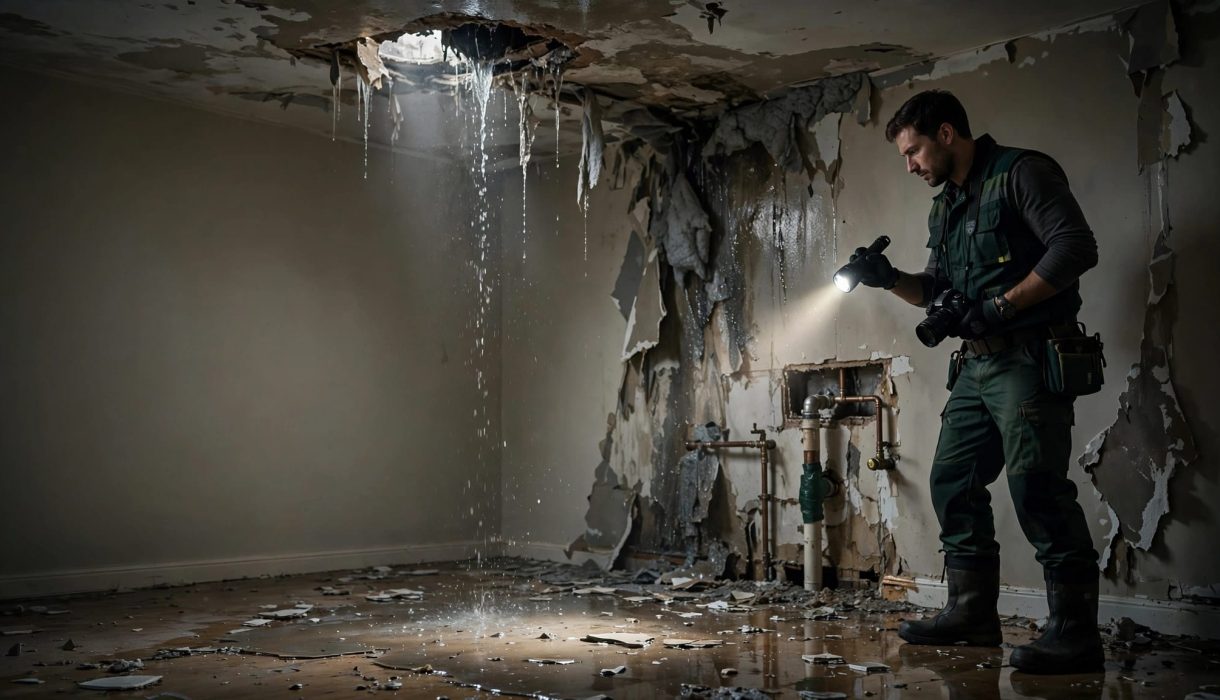

A burst pipe, leaking roof, or flooded basement can change a home sale quickly. If you’re searching for “sell house water damage,” you need a clear plan, not a rushed promise.
You can repair the property before listing, sell it as-is through the traditional market, or request an offer from a direct cash buyer. First, make the home safe, document the damage, check your insurance, and understand what you must disclose.
Sell house water damage: Start with safety
Water damage isn’t limited to stained drywall. It can involve structural damage, mold, electrical hazards, plumbing failures, sewage contamination, or flood-related problems.
Find and stop the source
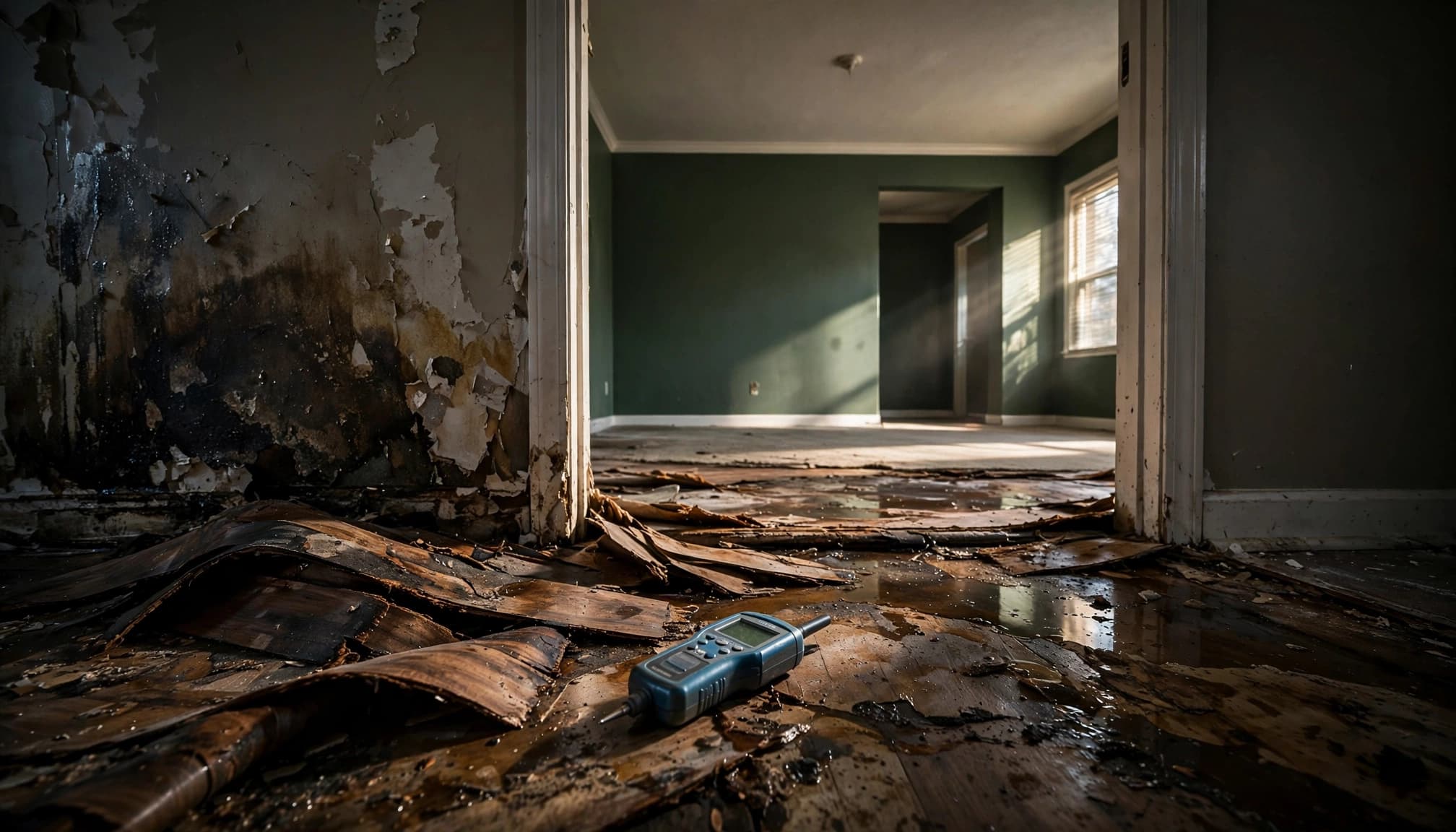
Identify where the water came from before deciding how to sell. The source may be a failed supply line, broken water heater, roof leak, foundation issue, overflowing drain, or outside flooding.
If the leak is active, shut off the water if you can do so safely. Don’t enter standing water near outlets, appliances, or electrical panels. Call a licensed plumber, electrician, roofer, or structural professional when the problem falls outside basic cleanup.
Drying should begin quickly. The EPA recommends drying water-damaged areas and belongings within 24 to 48 hours when possible because lingering moisture supports mold growth.
Separate clean water from contaminated water
Water from a broken supply pipe is different from water from a sewer backup or flood. Sewage and other contaminated water can contain harmful bacteria and require protective equipment, containment, and professional cleanup.
Don’t handle extensive mold, sewage, or flood debris as a weekend project. A qualified remediation company can test moisture, remove damaged materials, and identify areas that need further inspection. Painting or caulking over mold doesn’t fix the moisture source.
Document the damage before making repairs
Good records help with insurance, contractor estimates, buyer questions, and disclosure forms. They also give you a clearer basis for comparing repair costs with an as-is offer.
Protect people from electrical and structural hazards
If wiring is wet or moldy, FEMA recommends turning off the main power and having a qualified electrician inspect the system before power is restored. Water can damage wiring behind walls even when outlets look normal.
Stay away from sagging ceilings, buckled floors, weakened stairs, and walls that have shifted. A structural engineer or qualified contractor may need to inspect the property before anyone enters the affected area.
If cleanup is safe for you to perform, use appropriate protection. FEMA lists an N95 respirator, goggles, and protective gloves as minimum protective equipment for many cleanup situations. Those items don’t make sewage or extensive mold safe for untrained work.
Take photos, videos, and written notes
Photograph every affected room before removing materials. Include wide shots, close-ups, exterior damage, standing water, damaged personal property, and visible mold. Take videos that show the full path of the damage.
FEMA’s damage documentation guidance also recommends recording appliance information, including make, model, and serial numbers, when relevant.
Keep copies of:
- Plumber, electrician, roofer, and remediation invoices.
- Insurance claim numbers, adjuster reports, and payment records.
- Moisture readings, inspection reports, permits, and repair warranties.
- Photos showing the condition before, during, and after repairs.
Don’t throw away damaged items before photographing them unless they create an immediate safety risk. FEMA also advises homeowners not to wait to document damage before beginning necessary cleanup.
Decide whether to repair or sell as-is
There is no universal answer. The right choice depends on the cause of the damage, the home’s location, your available cash, the expected resale value, and how quickly you need to move.
Repairing before listing
Repairs may produce a higher sale price when the damage is limited and the home has strong demand. Buyers are more likely to use standard financing when major moisture, safety, and structural issues have been corrected.
Obtain written estimates before committing. Ask each contractor to separate demolition, drying, mold treatment, plumbing, electrical, structural work, replacement materials, permits, and final testing.
Add room for delays and unexpected damage. Water often travels behind walls and under flooring. A low initial estimate may change after materials are removed.
The repair route also takes time. You may have to pay for utilities, insurance, temporary housing, storage, loan payments, and ongoing maintenance while the work is completed.
Selling without completing the work
Selling as-is can reduce your upfront cost and remove the need to manage repairs. It doesn’t mean you can hide the problem or refuse every buyer request. Buyers may still inspect the property, ask for a credit, renegotiate, or cancel under the contract terms.
An as-is listing can work when the home has substantial damage but remains marketable. You should still provide known reports, repair records, and disclosures. Be clear about what has been fixed and what remains open.
Don’t rely on a single contractor estimate or a single buyer offer. Compare the likely net proceeds after repairs, commissions, closing costs, concessions, and your carrying costs.
Handle insurance, permits, and disclosures
These issues can affect both your money and your ability to close. Rules vary by location, policy, and the cause of the water damage.
Start the insurance process early
Contact your homeowners insurer before authorizing major non-emergency work. Ask what your policy covers, what deductible applies, whether emergency mitigation is required, and which contractors or documentation the insurer needs.
For flood damage, homeowners may need a separate flood insurance policy. FloodSmart’s flood claim guidance explains how to begin a claim and why policyholders should take steps to prevent additional mold growth.
Don’t assume flood insurance covers every moisture or mold expense. NFIP guidance generally excludes mold damage when the policyholder fails to take reasonable steps to prevent it. The FEMA NFIP recovery fact sheet explains the limits that can apply under a Standard Flood Insurance Policy.
Check permits and disclosure duties
Your local building department decides whether plumbing, electrical, structural, demolition, or floodplain permits are required. Ask before work starts. Unpermitted repairs can create problems during inspection, appraisal, insurance review, or closing.
Disclosure rules are state-specific. In many locations, sellers must disclose known material defects, water intrusion, mold, flood history, and significant repairs. The exact form and deadline depend on local law.
“As-is” doesn’t erase known defect disclosure duties. A buyer may have legal remedies if a seller intentionally conceals a serious problem. Ask a local real estate attorney or licensed agent what you must disclose in your state.
Prepare the home and the sale file
A damaged property doesn’t need to look perfect, but buyers need accurate information. A clean file can reduce confusion and help serious buyers make a decision.
Organize a complete repair record
Create one folder with photos, invoices, permits, inspection reports, insurance documents, and warranties. Add a short timeline:
- When the damage happened.
- What caused it.
- When the source was repaired.
- What materials were removed or replaced.
- Whether mold or moisture testing was completed.
- What work remains unfinished.
Don’t describe an area as “fully repaired” if only the visible surface was replaced. State what you know and what you don’t know.
Set the right expectation in the listing
Use accurate language about the condition. A listing that says “minor water damage” when the basement needs structural work creates distrust and wasted showings.
Your agent can help explain the condition without overstating the repair scope. Include clear photographs when appropriate, but protect private information and avoid making unsupported claims about safety or habitability.
A buyer will likely inspect the property. That isn’t a problem if your records are complete and your description is honest. Surprises create renegotiations. Documentation gives the conversation a factual starting point.
Compare the three sale paths
The best option depends on what you value most. A higher possible price usually requires more time, money, and management.
| Sale path | Possible price | Speed | Main costs and risks |
|---|---|---|---|
| Repair, then list | Highest gross price potential | Usually slower | Upfront repairs, delays, carrying costs, commissions |
| List as-is | Middle range in many cases | Depends on buyer demand | Inspections, credits, negotiations, buyer financing risk |
| Direct cash buyer | Often lower than a fully repaired retail sale | May be faster | Offer reflects repairs, project risk, carrying costs, and closing expenses |
A direct cash buyer may purchase a home in its current condition and may not require you to complete repairs or host repeated showings. The trade-off is that the offer usually reflects the home’s value, estimated repairs, holding costs, and the buyer’s risk.
Ask for a written offer. Review the purchase price, inspection period, closing costs, title fees, assignment language, and any cancellation rights. Don’t accept a claim that a sale price or closing date is guaranteed before the contract is signed and title work is complete.
Some direct buyers close through licensed local title companies. Confirm who handles escrow, which fees you pay, and when funds are released. You can also compare the offer with the estimated net proceeds from a repaired or as-is listing.
Key Takeaways
- Stop the water source and address immediate electrical, structural, sewage, and mold hazards first.
- Photograph the property before removing damaged materials, unless leaving them creates a safety risk.
- Get written estimates from qualified professionals. There is no reliable nationwide repair price for every water-damaged house.
- Contact your insurer before major non-emergency work and keep the claim records.
- Check local permit requirements before plumbing, electrical, structural, or flood-related repairs.
- Disclose known water intrusion, mold, flood history, and repairs according to your state’s rules.
- Compare repair costs and carrying costs with the net proceeds from an as-is sale or cash offer.
Frequently asked questions
Can I sell a house with active water damage?
Yes, a house can be sold with active or unresolved water damage. The condition must be described accurately, and local disclosure laws still apply.
You should also consider whether the property is safe to occupy or show. If water is still entering the home, shut off utilities when appropriate and bring in qualified professionals. A buyer may request an inspection, repair credit, price reduction, or proof that the source has been fixed.
Is it better to repair water damage before selling?
Repairing first may produce a better price when the damage is limited, the market is strong, and you can manage the work. It may not make financial sense when the home needs extensive demolition, mold remediation, structural repairs, or several months of carrying costs.
Get at least one detailed estimate and compare the expected net sale proceeds, not only the possible listing price.
Can I sell the house as-is to a cash buyer?
You can request an as-is cash offer from a direct buyer, but the offer is not automatically better or faster than every other option. The buyer will account for repairs, resale risk, holding costs, and the home’s comparable sales.
Review the written contract carefully. Confirm the inspection period, closing process, fees, title company, and any conditions before signing.
Make the decision from the records
Water damage doesn’t automatically prevent a sale. It does require accurate information, safe handling, and a realistic financial comparison.
Repairing may make sense when the work is limited and the expected price increase exceeds your costs. Selling as-is may make sense when you want to avoid repairs but can wait for inspections and negotiations. A direct cash sale may fit when speed and convenience matter more than maximizing the retail price.
Start with the facts you can verify: the source of the water, the condition of the structure, the repair estimates, the insurance position, and the disclosure rules where the property is located. Then choose the sale path that fits your finances and your tolerance for delay.


