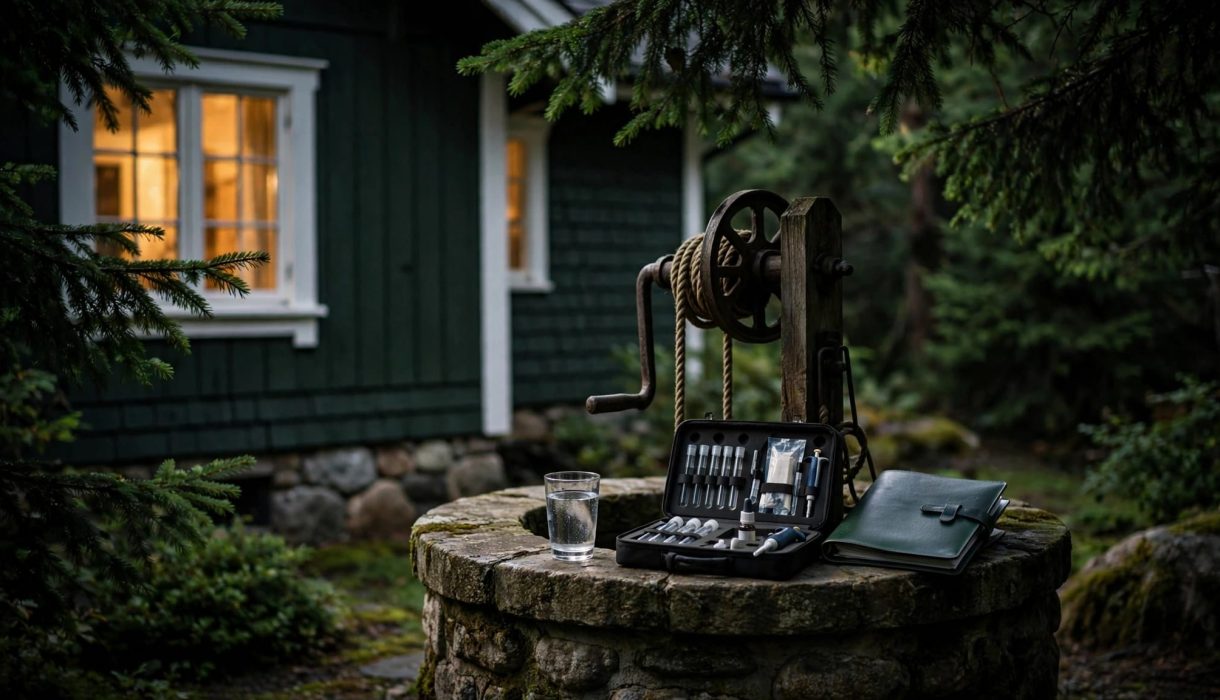

Selling a home with a private well is manageable when you can show what you know about the system. Buyers may ask for water-test results, maintenance records, and permission to arrange their own inspection.
For a homeowner searching “selling house with well,” the practical steps are to gather records, test the water, and confirm the local rules. Requirements vary by state and locality, so verify them before you list or sign an agreement.
Key Takeaways
- Find the well’s service, repair, construction, and water-test records before listing.
- Consider current water testing and a professional well-system inspection. Neither is a universal sale requirement.
- Disclose what you know about the well and follow the rules where the property is located.
- Give buyers a clear way to review existing reports and arrange any additional testing.
A private well adds a due-diligence item to the sale. It doesn’t, by itself, prevent you from selling.
Understand What Rules Apply to Your Well
Private wells aren’t covered by the same federal oversight as public water systems. The EPA’s private-well guidance explains that private well owners are responsible for checking their water quality and maintaining the system.
That doesn’t create one national checklist for home sales. Testing, inspection, disclosure, and transfer requirements depend on state and local rules. A county or municipality may have requirements that differ from statewide practice.
Before listing, contact your local health department or environmental health office. Ask whether a sale requires a specific water test, inspection, certificate, permit, or notice. Check the answers with a qualified well professional or real-estate advisor who works in your area.
Use general health recommendations as a starting point, not as legal advice. A recommended test may be useful even when local transfer rules don’t require it. A required form or inspection may apply even when you’ve recently tested the water.
Gather the Well’s Records Before Listing
A buyer’s first questions are often basic: when was the system last serviced, what does the latest test say, and who should they call about a problem? Records make those answers easier to provide.
Collect the documents you already have
Look for the well construction or completion report, water-test results, pump and pressure-tank service receipts, repair invoices, and records of disinfection or treatment. If the well has a permit or registration, locate that paperwork too.
You may find records in a closing file, a folder from a prior owner, or with a well contractor. Ask your local health department whether it keeps a well record for the address. Keep copies of lab results and receipts together so you can share them with prospective buyers.
Don’t fill gaps with guesses. If you don’t know the well’s age or depth, say that. If a document is missing, note that it isn’t available rather than treating an estimate as a fact.
Write down known issues
Make a short list of past problems, repairs, and current concerns. Include details such as a pump replacement, low pressure, a prior bacteria result, or a treatment system that needs regular service.
A repair receipt shows what work was done. It doesn’t prove the system has no other issues. Keep those facts separate when you talk with buyers.
Test the Water Before Listing
The CDC recommends testing private well water at least once a year for total coliform bacteria, nitrates, total dissolved solids, and pH. Its well-water testing guidance also advises asking the local health department about additional tests and using a state-certified laboratory.
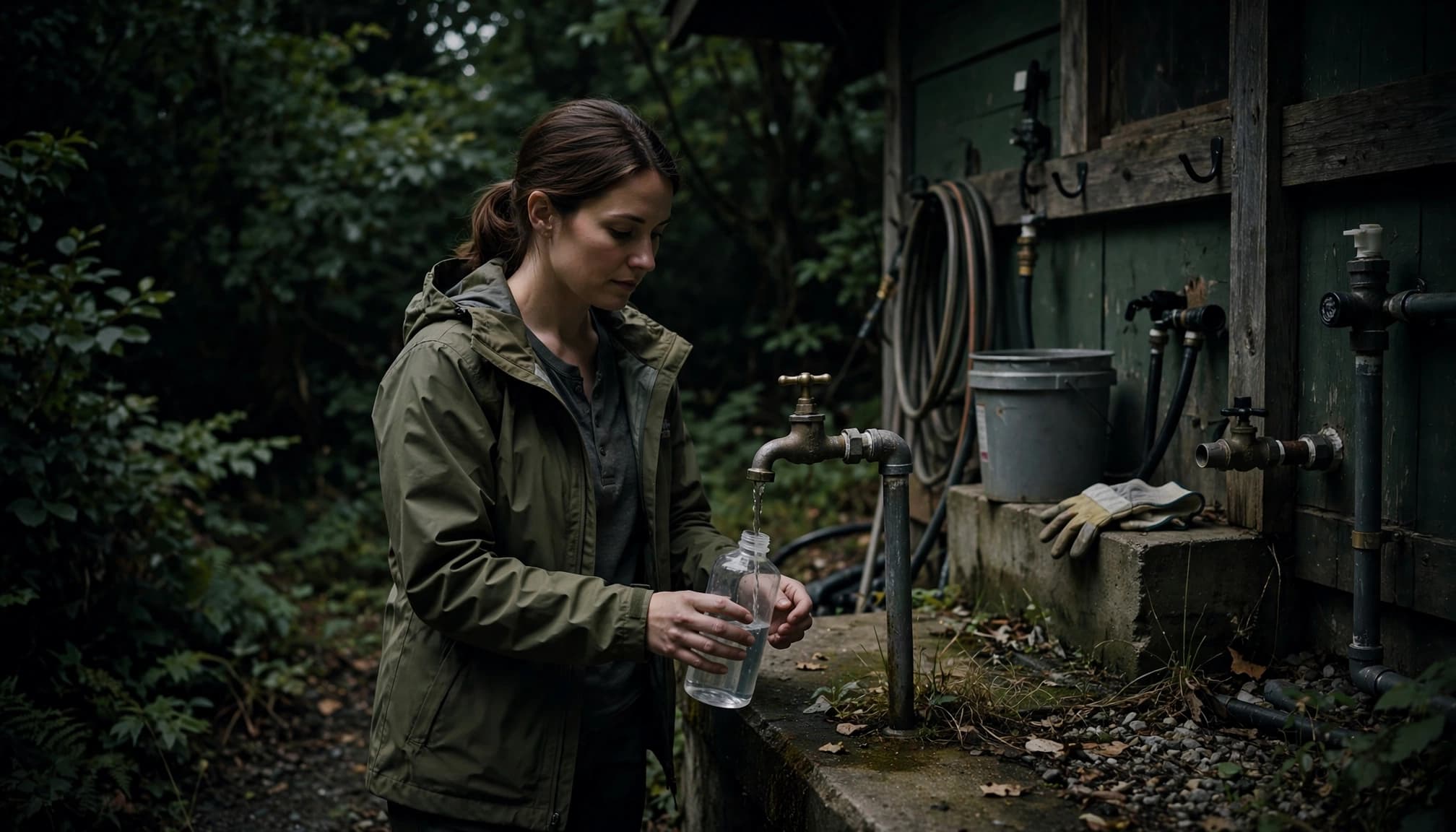
Use a qualified lab and follow its instructions
Ask the laboratory which tests it offers, how to collect the sample, and how quickly it must receive it. Some tests require specific bottles or handling. A sample collected incorrectly can produce a result that’s hard to interpret or unusable.
Keep the complete report, including the sample date, test methods, and lab details. Don’t rely on a verbal summary. Share the report as written, and avoid describing the water as safe based on an old test.
A recent result can answer common buyer questions before negotiations begin. It doesn’t guarantee future water quality, and it doesn’t replace any test a buyer or local rule may require.
Ask about contaminants specific to your area
The standard annual tests don’t cover every possible contaminant. Your local health department or lab can advise whether nearby land use or local geology makes additional testing sensible. Examples can include areas affected by agriculture, mining, or gas drilling.
If a result is outside the lab’s guidance, ask the lab or a qualified water professional what it means and what follow-up is appropriate. Don’t treat a single result as a diagnosis of the well system. The cause and next step may require more testing.
Arrange an Inspection of the Well System
Water quality and mechanical condition are separate questions. A lab can test a water sample, but it doesn’t inspect the pump, casing, pressure tank, or other equipment.
Ask what the inspection covers
A well professional can review visible components, check for signs of damage or poor maintenance, and explain the system’s operation. Ask in advance whether the scope includes the pump, pressure tank, electrical controls, well cap, and plumbing connections.
A flow or yield test may be useful in some transactions, but it isn’t automatically required for every sale. Ask the professional whether it fits the property’s system and the buyer’s concerns. Confirm the inspector’s qualifications and any local licensing requirements before scheduling work.
Make access and service details clear
Show the buyer where the well equipment is located and how to access it. If components are inside a locked utility room, shed, or basement, arrange access during the inspection period.
Share any recent repair or maintenance notes with the inspector if the buyer has authorized an inspection. If the professional identifies a concern, ask for a written report and an explanation of what was checked. Don’t promise that a limited inspection confirms every part of the system is working.
Disclose What You Know and Check Local Requirements
Disclosure rules differ by state and locality. A seller may need to complete a specific form, provide a certificate, or share information before a certain point in the transaction. The deadline and required details aren’t the same everywhere.

Share records and known conditions
Provide available test reports, well-service records, and repair invoices through the process your agent or transaction professional recommends. Answer questions accurately. If you know about a recurring issue, prior contamination, or equipment problem, don’t leave it out because a recent repair was made.
A new test report doesn’t erase the history of an earlier problem. Explain what happened, what work was done, and whether follow-up testing is available. If you’re uncertain how to report a condition, ask a local real-estate advisor or attorney.
Confirm forms, timing, and transfer rules
Contact your local health department and ask whether a private well sale requires testing, inspection, disclosure forms, or other steps. Then confirm the timing with your real-estate advisor. Requirements can attach to listing, contract signing, or closing.
Don’t assume a neighbor’s sale followed the same process. The rules may differ by municipality, property type, or the well’s status. This is general information, not legal advice. Have a qualified local professional confirm what applies to your property.
Give Buyers Time to Review and Test
Buyers may want to collect their own water sample or hire a well professional. Set expectations early about access, scheduling, and any deadlines in the purchase contract.
Share existing reports before the buyer has to make a decision, if your transaction process allows it. That gives the buyer time to review the date and scope of each report and ask questions. If the buyer requests new testing, agree on who will arrange it and how access will work.
If a test identifies a concern, review the report before responding. You can discuss further testing, a repair, a credit, or another contract solution with your real-estate advisor. Don’t commit to work or costs until you understand the finding and your obligations under the agreement.
Clear records can reduce avoidable back-and-forth. They can’t guarantee that a buyer will accept the well’s condition or waive further due diligence.
Compare a Traditional Listing With an As-Is Sale
A traditional listing may reach buyers who are comfortable with private wells and willing to complete their own due diligence. It may also require you to coordinate showings, repairs, testing, and negotiations. Consider the likely sale proceeds after costs, not only the asking price.
A direct cash offer may be worth comparing if the home needs repairs or you want a different closing process. Ask for the offer in writing and how the buyer calculated it. Confirm what happens with testing, inspection access, closing costs, and the well’s known condition.
An as-is offer doesn’t remove your duty to disclose known information or make local requirements disappear. It also doesn’t mean every buyer will skip testing. Compare the terms and expected net proceeds with a listing plan before deciding.
Frequently Asked Questions
Do I have to test the well before selling?
There’s no single testing rule for every home sale in the United States. The CDC recommends annual testing for certain contaminants, but whether a test is required for a transfer depends on state and local rules. Ask your local health department what applies to the property.
Does a private well inspection include water testing?
Not necessarily. A system inspection checks equipment and visible conditions. Water testing requires a sample analyzed by a lab. Confirm the scope of each service before booking, and ask whether the buyer or local rules require both.
What if I can’t find the well records?
Tell your real-estate advisor and check with the local health department or prior service provider. Share what you do have, such as repair receipts or lab results. State clearly which records are missing, and don’t guess about the well’s age, depth, or history.
Can I sell a house with a well problem?
A well problem doesn’t automatically prevent a sale, but it can affect the buyer’s decision, the offer, or the contract terms. Disclose what you know and get qualified advice about the condition and your local obligations. A buyer may request testing, repairs, or a change to the terms.
Make the Well Part of the Sale Plan
The most useful preparation is straightforward: gather the records, get current information about water quality, and ask a qualified professional to inspect the system if appropriate. Then verify the rules for your location before you list or sign an agreement.
When buyers can review accurate records and understand what remains unknown, they can make a clearer decision. Keep the facts in writing, and let local professionals confirm the requirements.


