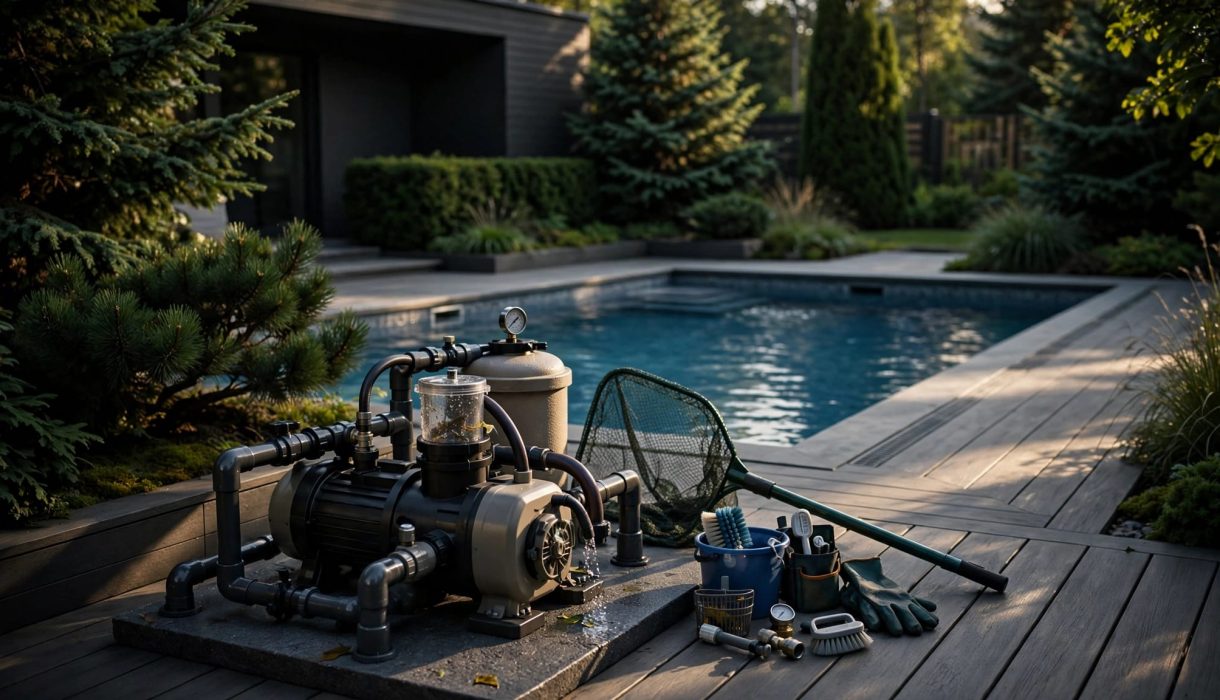

A pool can look like the best part of your yard. It can also be the part a buyer asks about most. If you’re selling a house with a pool, expect questions about its condition, safety, operating costs, and repair history.
You don’t need to promise that every part is perfect. You do need to know what works, what doesn’t, and what you can document. Start with the pool as it stands today, not the way it looked when it was installed.
Check the Pool’s Condition Before You Set a Price
Walk the pool and equipment area before you take photos or choose a listing price. A clean surface won’t settle a buyer’s questions if the pump leaks or the deck has moved.
Separate Routine Upkeep From Repairs
Skim the water, clear baskets, maintain appropriate water chemistry, and keep the equipment accessible. Save recent service invoices if someone else maintains the pool. These records help you answer basic questions about how it has been cared for.
Then make a separate list of problems. Look for cracks, missing tiles, loose coping, stains, damaged decking, and water loss that seems unusual. Check whether the pump, filter, heater, lights, and cleaner work. Don’t label a suspected leak as normal evaporation unless a qualified pool professional has checked it.
Decide What to Fix
A small maintenance job may be worth doing before showings. A major repair needs a different decision. Get a written estimate, then compare the cost and time against likely buyer objections. Ask your real estate professional how similar properties are being sold locally.
Keep receipts for completed work. If you don’t make a repair, describe the issue accurately and keep the estimate available. Paint, a fresh cover, or clear water shouldn’t be used to hide a known problem.
Check Pool Safety Requirements Where You Live
A buyer may like the pool and still worry about children, pets, or an open gate. Safety features deserve their own review before the house goes on the market.
Inspect the Barrier and Gate
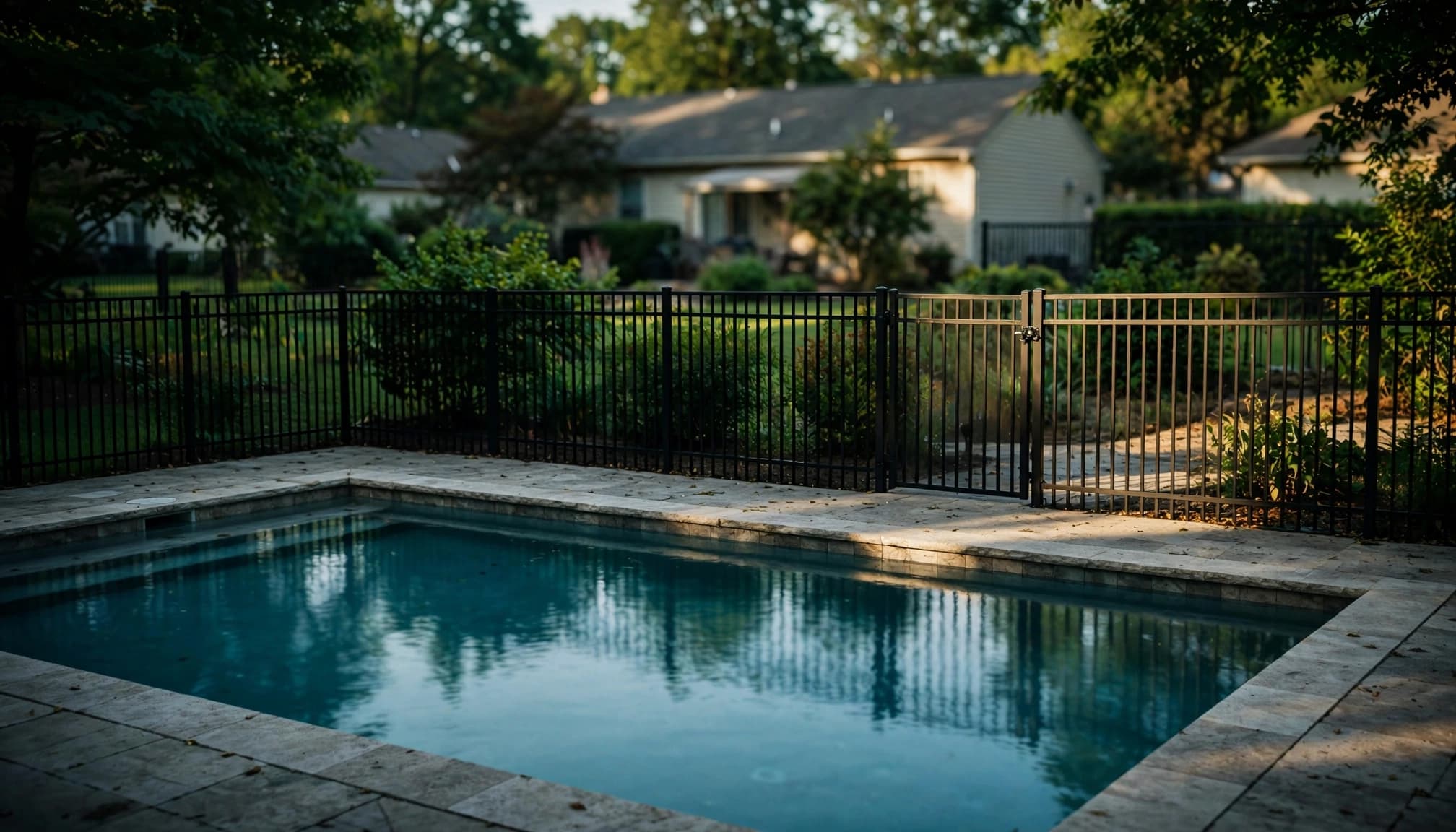
Walk the full barrier, not only the section visible from the patio. Test whether gates close and latch on their own. Look for damaged panels, gaps, or objects that make the barrier easier to climb. Check that any alarms or covers you plan to advertise are working.
The U.S. Consumer Product Safety Commission publishes safety barrier guidance for home pools. Its guidance is useful when reviewing a pool area, but it isn’t a substitute for the rules that apply to your property.
Verify Local Rules Before Making Claims
Pool-safety requirements vary by location. Your city, county, state, or homeowners association may have requirements for barriers, gates, alarms, or permits. Ask the local building department what applies before you describe the pool as code-compliant.
Don’t assume an older installation is acceptable because it was there when you bought the house. If a barrier may need work, get an assessment and a written quote. Your agent can help you decide whether to complete the work or address it during negotiations.
Prepare for a Pool Inspection
A general home inspection may not answer every question about a swimming pool. Buyers may request a separate pool inspection, especially when the equipment is older or the service history is unclear.
Know What an Inspector May Examine
A pool specialist can assess the shell or liner, decking, visible plumbing, equipment, and signs of leaks or movement. The scope depends on the inspector and whether the pool is open and running. Ask what the inspection includes rather than assuming every buried pipe or concealed surface will be checked.
Keep the equipment reachable and identify any controls the inspector needs. Don’t shut down a working system simply to avoid questions. If the pool is winterized, say so before the inspection is scheduled. Access and weather may limit what can be tested.
Put Your Records in One Place
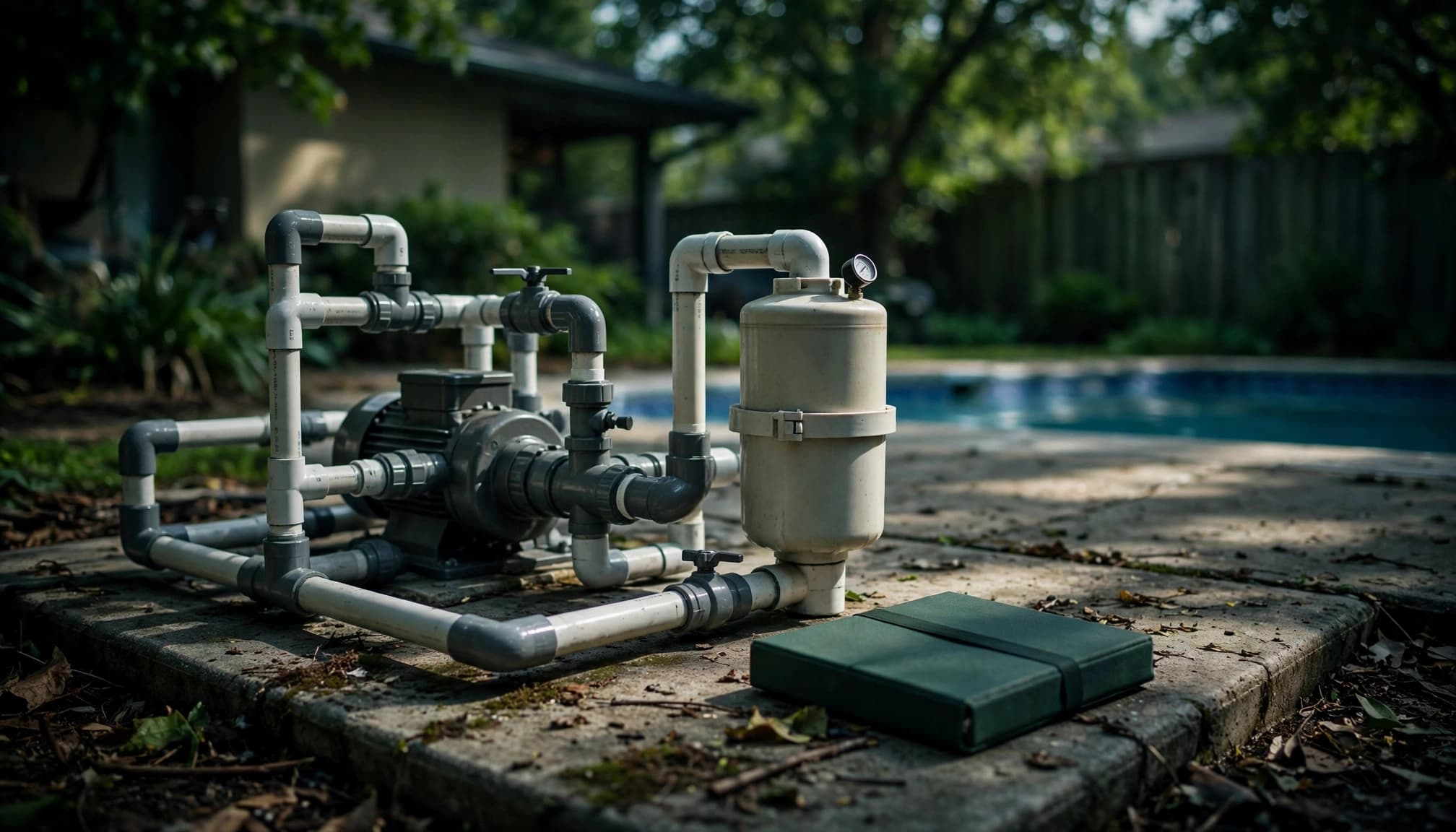
Gather service invoices, repair receipts, equipment manuals, warranty terms, permit records you have, and any past inspection reports. Note the age of a component only when you can support it with a receipt or installation record. If you don’t know, say you don’t know.
Include records for safety work. The CPSC’s residential pool barrier guidelines give useful reference points for reviewing a barrier, including a recommended maximum gap of 4 inches beneath it. Local requirements still control what you must do.
Disclose Known Pool Problems Clearly
Selling a house with a pool means answering questions about past and present defects. A recent repair doesn’t erase the history of a problem. Neither does an “as-is” sale automatically remove disclosure duties.
Check the Rules for Your Property
Disclosure rules differ by state, and the forms and timing can differ too. Pennsylvania, for example, requires sellers to disclose known material defects under its seller disclosure law. That Pennsylvania rule isn’t a nationwide standard.
Ask a qualified real estate professional which forms apply where your home is located. If you need legal advice about a disputed issue, speak with a local real estate attorney. Don’t rely on a disclosure form you found for another state.
Give a Clear Account of Repairs
If you know about a leak, a failed heater, drainage trouble, or an unpermitted change, don’t wait for an inspector to find it. State what you know, when you learned it, and what work was done. Attach available records where appropriate.
Avoid guessing about a repair you didn’t oversee. “The seller before me said it was fixed” is different from having a paid invoice and a recent test. Give the buyer the information you have. Don’t turn an uncertain answer into a guarantee.
Price the House Against Comparable Sales
The cost of building a pool isn’t the same as its contribution to a sale price. Buyers also consider upkeep, safety, lot size, climate, and how much outdoor space the pool occupies. A pool doesn’t guarantee a higher offer.
Compare the Right Properties
Ask your agent for recent sales of similar homes in the same market. Compare size, condition, location, and pool type where possible. A renovated home with a newer pool isn’t a clean comparison for a house with aging equipment and visible deck damage.
Look at sold prices, not only asking prices. If few comparable homes have pools, say so and avoid a precise pool premium based on thin evidence. An appraiser or local agent can help explain what the available sales do and don’t show.
Account for Work a Buyer Can See
If the pool needs a new component or a documented repair, buyers may adjust their offers. The amount may differ from your contractor’s quote because buyers also account for scheduling, uncertainty, and the risk of more work.
Get estimates before deciding whether to repair, price accordingly, or consider an as-is offer. A written estimate gives both sides something concrete to discuss. It doesn’t guarantee that a buyer will accept your asking price.
Make Showings Useful, Not Misleading
A buyer should be able to see the pool and understand its condition. Clear access and honest presentation do more than decorative staging.
Show the Whole Pool Area
Before photos and showings, clean the water and deck, remove loose equipment, and make the gate usable. Photograph the barrier and equipment area as well as the pool itself. If the pool is covered for the season, use available records and photos to show what is underneath. Make clear when those photos were taken.
Leave room for a buyer to inspect the pump and filter. Don’t stack furniture or supplies against equipment that may need service. If a feature isn’t working, tell your agent before it appears in marketing materials.
Be Ready for Operating Questions
Buyers may ask who maintains the pool, how often it is serviced, and what equipment comes with the house. Use your invoices and utility records when you have them. Don’t invent a monthly cost or promise that the buyer’s costs will match yours.
Confirm which items are included in the sale. A removable cover, cleaner, or pool furniture shouldn’t be assumed to transfer unless the contract says so.
Choose a Sale Route That Fits the Work Involved
You can list the property, make repairs before listing, or ask for an as-is offer. Each route changes how much work you handle before closing and how buyers may price the pool’s condition.
Listing Gives Buyers Time to Inspect
A traditional listing may attract buyers who want a pool and are willing to evaluate yours. It also means preparing for photos, showings, inspections, and possible repair requests. An accepted offer may still change after the buyer investigates a problem.
Before listing, ask your agent which repairs are likely to affect the sale and which are unlikely to pay for themselves. Keep the answer tied to local sales and written estimates.
An As-Is Offer Trades Work for a Different Price
A direct buyer may be willing to purchase a house with pool repairs still outstanding. That can reduce the work you do before closing. The offer may also account for repairs, carrying costs, and uncertainty, so compare the net amount and terms, not only the price.
Read the written offer. Check contingencies, fees, closing arrangements, and what you must disclose. An as-is offer is a sale option, not permission to leave known defects out of the conversation.
Key Takeaways
- Check the pool, barrier, and equipment before setting a price.
- Keep service records, repair receipts, and honest notes about unresolved problems.
- Verify local safety and disclosure requirements with a qualified real estate professional.
- Compare offers by net proceeds, required work, and closing terms. Don’t assume the pool adds a fixed amount to the home’s value.
Frequently Asked Questions
Do I Need a Pool Inspection Before Selling?
A seller-ordered inspection isn’t always required. It can help you identify problems before a buyer’s inspection and get estimates while you still control the schedule. Ask a local real estate professional whether it makes sense for your sale.
An inspection doesn’t replace your obligation to disclose what you already know.
Can I Sell a House With a Broken Pool?
Yes, a buyer may purchase a house with a damaged or nonworking pool. Expect the condition to affect negotiations. Document the problem, gather repair estimates, and describe it accurately.
Disclosure duties vary by location. Pennsylvania’s seller disclosure regulation, for example, addresses known material defects that aren’t readily observable. Check the requirements where your home is located.
Should I Fill In the Pool Before Listing?
Don’t make that decision based only on one buyer’s reaction. Get a written removal estimate and ask about permits, drainage, and required site work. Then compare that cost with local sales and the likely cost of repairing or selling the pool as it stands.
Sell With the Pool’s Actual Condition in View
A clean pool can make a good first impression. The sale still depends on what an inspection finds, what your records show, and what a buyer is willing to pay.
Check the condition, confirm the local rules, and disclose known problems. Clear facts give you better choices about repairs, price, and how to sell.


