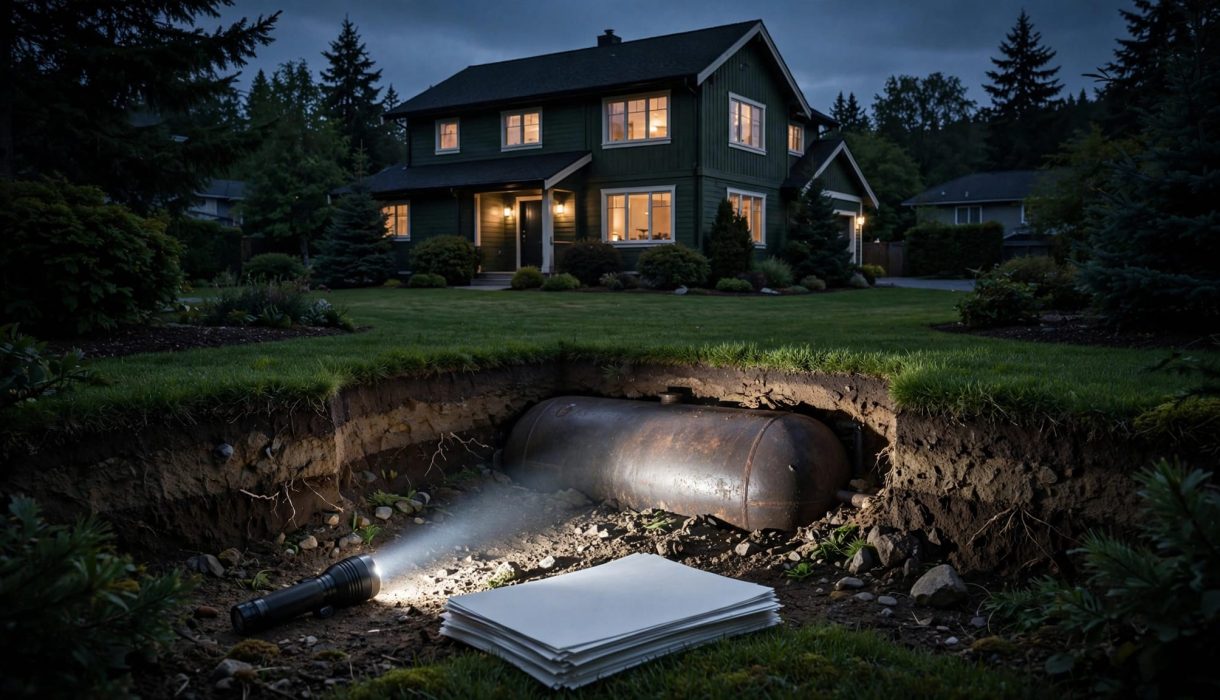

A buried oil tank doesn’t automatically prevent a home sale, but it can affect buyer questions, inspections, financing, and timing. If you searched for “selling house oil tank,” start with one practical point: what matters is the tank’s status, what you know about its condition, and the rules where the property is located.
You may be able to sell with the tank in place, remove it before listing, or provide records for work already completed. The right next step depends on local requirements and whether there’s evidence of a leak.
Key Takeaways
- There’s no single nationwide rule requiring every residential heating-oil tank to be removed or handled the same way.
- Check local and state requirements before arranging closure, removal, or testing.
- Tell buyers what you know and follow the disclosure rules that apply to your sale.
- Keep inspection, closure, removal, and cleanup records. Buyers, lenders, or insurers may ask for them.
- If you suspect a release, contact the appropriate state or local agency and use qualified professionals.
How an Underground Oil Tank Affects a Sale
A tank raises questions because buyers can’t assess its condition by looking at the yard. They may want to know whether it’s active, how it was closed, and whether soil or groundwater was affected.
That doesn’t mean the tank has leaked. It means you should separate documented facts from assumptions and avoid making claims you can’t support.
Confirm the tank’s status
First, find out whether the tank is active, unused, removed, or closed in place. Look for oil-delivery records, old permits, service paperwork, property plans, or information from a previous owner. If you can’t confirm the tank’s location or status, say so. Don’t describe it as removed or leak-free without records.
An active tank may need a different plan from an abandoned one. A removed tank may still have a closure report or soil test that helps answer buyer questions.
Understand what a tank can mean for the transaction
A buyer may request an inspection or documentation before proceeding. A lender or insurer may also have its own requirements. Those requests vary, so don’t assume one buyer’s terms apply to every sale.
Check State and Local Rules Before Choosing a Plan
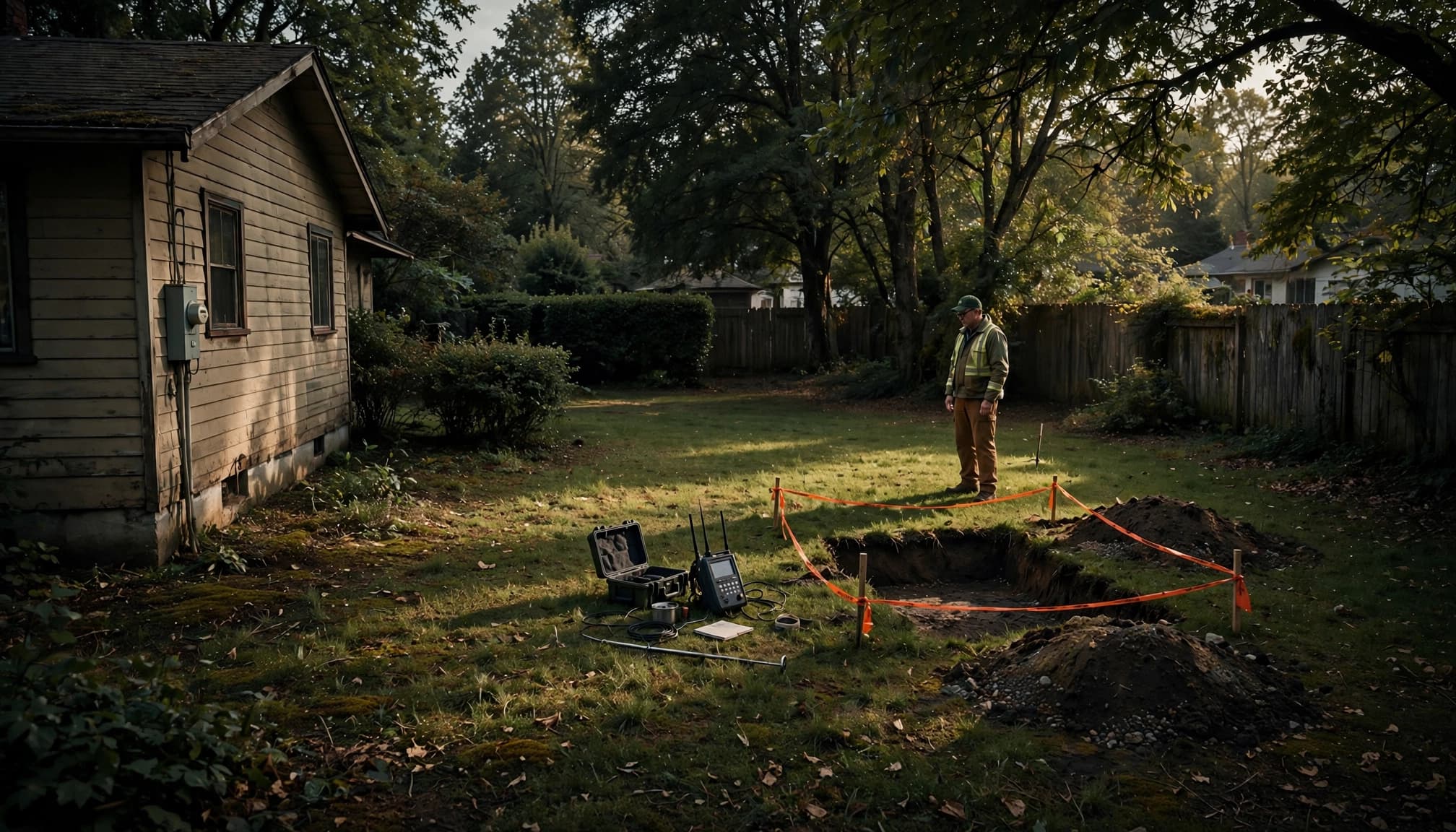
A common mistake is to treat federal guidance as a complete answer for a residential heating-oil tank. The U.S. Environmental Protection Agency’s federal underground storage tank program excludes tanks storing heating oil for use on the premises. State and local rules can still apply. The EPA advises owners to check with the agency responsible for oil pollution control in their area. See its frequent questions about underground storage tanks.
Ask which rules apply to your property
Contact the relevant state environmental agency, local building department, or fire department. Ask whether the tank must be removed, whether closure in place is allowed, and whether a permit or soil assessment is required.
Requirements can differ within a state and may depend on tank condition, location, use, or signs of a release. Oregon’s Department of Environmental Quality Tanks Program is one example of a state program with information about heating-oil tanks. It isn’t a nationwide rulebook.
Don’t rely on another state’s process
A neighbor’s experience may not match your situation. Even guidance for a similar tank elsewhere may not apply to your property. Confirm requirements with the agency that has authority over your site before hiring a contractor or signing off on work.
The same caution applies to disclosure. Some places require sellers to report known tanks or contamination. Others use different forms or rules. Follow the requirements for your location, and answer buyer questions accurately.
What to Check Before Listing
You don’t need to guess what a buyer might uncover. Gather what’s already available, then decide whether a qualified inspection or other professional advice is needed.
Look for records before scheduling new work
Search your files for tank installation or service records, oil-delivery receipts, permits, past inspection reports, removal paperwork, and correspondence with environmental agencies. Ask prior owners or contractors for copies if they handled the tank.
If a tank was removed, find out whether the work included soil testing and whether any cleanup was completed. If it remains in place, look for records showing how it was emptied or closed. A lack of paperwork doesn’t prove there was a leak, but it may leave questions for the buyer to resolve.
Treat signs of a release as a separate issue
A tank’s presence alone doesn’t show that oil escaped. If you notice an oil odor, stained soil, or other signs of a possible release, contact the state or local agency responsible for spill response. Don’t dig, pump, or arrange cleanup on your own.
The EPA’s guidance on releases from underground storage tanks describes the federal process for covered USTs. Applicability to a home heating-oil tank depends on the circumstances and local rules. For general homeowner cleanup information, Massachusetts also provides a site cleanup guide.
Use a qualified, licensed environmental professional or tank contractor where required. Ask what the inspection or work includes, what report you’ll receive, and whether the person or company is approved to do that work locally.
Keep Records Buyers and Lenders May Request
Good records give the buyer something specific to review. They also help you avoid relying on memory when you complete disclosures or answer questions.
Save the full file, not only the final invoice
Keep inspection reports, tank-location sketches, photographs, soil or water test results, permits, closure or removal documents, waste-disposal records, and cleanup reports. Save communications with the contractor and agency too.
Put the documents together before listing. If the tank was closed in place, keep paperwork showing the method used and any required approval. If it was removed, retain the removal report and testing results. A paid invoice can show that work occurred, but it may not explain the tank’s condition or what was tested.

Give records to the right people
Share relevant documents with your real estate agent, attorney, buyer, and lender when appropriate. If you don’t have a report, don’t suggest that one exists. State what you know, what you don’t know, and what records are available.
Buyers may ask for more information after reviewing the file. Their lender or insurer may ask for separate documentation. Neither request automatically means you’re legally required to remove the tank. Confirm any obligation with your local agency and the professionals handling the transaction.
Selling With the Tank Still in Place
You may be able to sell without removing the tank, but the buyer needs clear information about its status. Check whether local rules allow the tank to remain and whether any closure steps or approvals are required.
If you plan to sell before resolving the tank, discuss that plan with your real estate agent or attorney. Make sure the listing and disclosures don’t overstate what you know. “Tank present, status unknown” is different from “tank inspected and confirmed sound.” Use only language you can support with records or a professional’s findings.
A buyer may accept the property as-is, request testing, ask for removal, or propose a price change. You can respond based on the contract and any applicable legal requirements. An as-is sale doesn’t remove disclosure duties, and it doesn’t prevent a buyer from asking questions.
Removal, Closure, or Sale as-Is
There isn’t one best option for every seller. Compare the local requirements, the tank’s condition, the available records, and the likely effect on timing before committing to work.
Consider removal or closure when the facts support it
Removal may provide clearer documentation, especially when the tank is accessible and the local authority requires it. Closure in place may be allowed in some locations, but it can require approval, testing, or specific procedures. Ask the agency what it accepts before work begins.
Get written proposals from qualified contractors. Confirm who will handle permits, soil sampling, disposal, and reports. Don’t choose based on the lowest quote alone if it leaves out work required by the local authority.
Compare the cost and certainty of each sale route
If you list the home, you may have more exposure to buyer inspections, negotiations, and lender conditions. If you consider a direct sale, ask how the tank affects the written offer and who is expected to handle any later work. A lower offer may reflect repair, testing, cleanup, carrying costs, or project risk. Ask for the reasoning rather than assuming the tank was priced in.
Review the contract, closing terms, and any release or waiver language with a qualified local professional. Don’t agree to a term you don’t understand.
Frequently Asked Questions
Do I have to remove an underground oil tank to sell my house?
Not everywhere. Requirements depend on state and local law, tank condition, and whether there’s evidence of a release. Check with the agency that regulates tanks or environmental cleanup in your area before deciding.
Can I sell a house with an unused tank still underground?
Possibly. Confirm whether local rules allow it and whether the tank needs formal closure or approval. Disclose its status as required, and provide records you have. A buyer, lender, or insurer may also request more information.
Does an abandoned or closed tank mean the soil is contaminated?
No. The tank’s presence or closure status doesn’t establish contamination by itself. If a release is suspected, contact the appropriate agency and have qualified professionals assess the site.
What if I can’t find any tank records?
Don’t fill in gaps with assumptions. Tell your agent or attorney what you know, contact the relevant local agency, and ask whether an inspection or records search makes sense. Keep any new reports or approvals with your sale documents.
Make the Next Step Based on Facts
A buried oil tank doesn’t set one automatic path for every sale. Confirm the rules where the home is located, establish what’s known about the tank, and keep the paperwork that supports your disclosures.
If you’re unsure whether the tank is active, closed, or potentially leaking, get advice from a qualified local professional before promising a buyer that it’s safe or resolved.


