

Selling a house with a shared well is manageable when you can show who uses the system, how it is maintained, and what the water tests show. The main concern is usually whether the arrangement will delay a sale or put off a buyer.
The answer depends on the records, the well’s condition, and local disclosure rules. Start by confirming exactly what your property shares.
Key Takeaways
- Identify every property and component connected to the well.
- Gather agreements, permits, test results, repair invoices, and cost records.
- Explain how maintenance decisions and bills are shared.
- Check your state and local disclosure requirements before listing.
- Have a qualified local professional review any unclear or incomplete agreement.
Confirm What the Property Shares
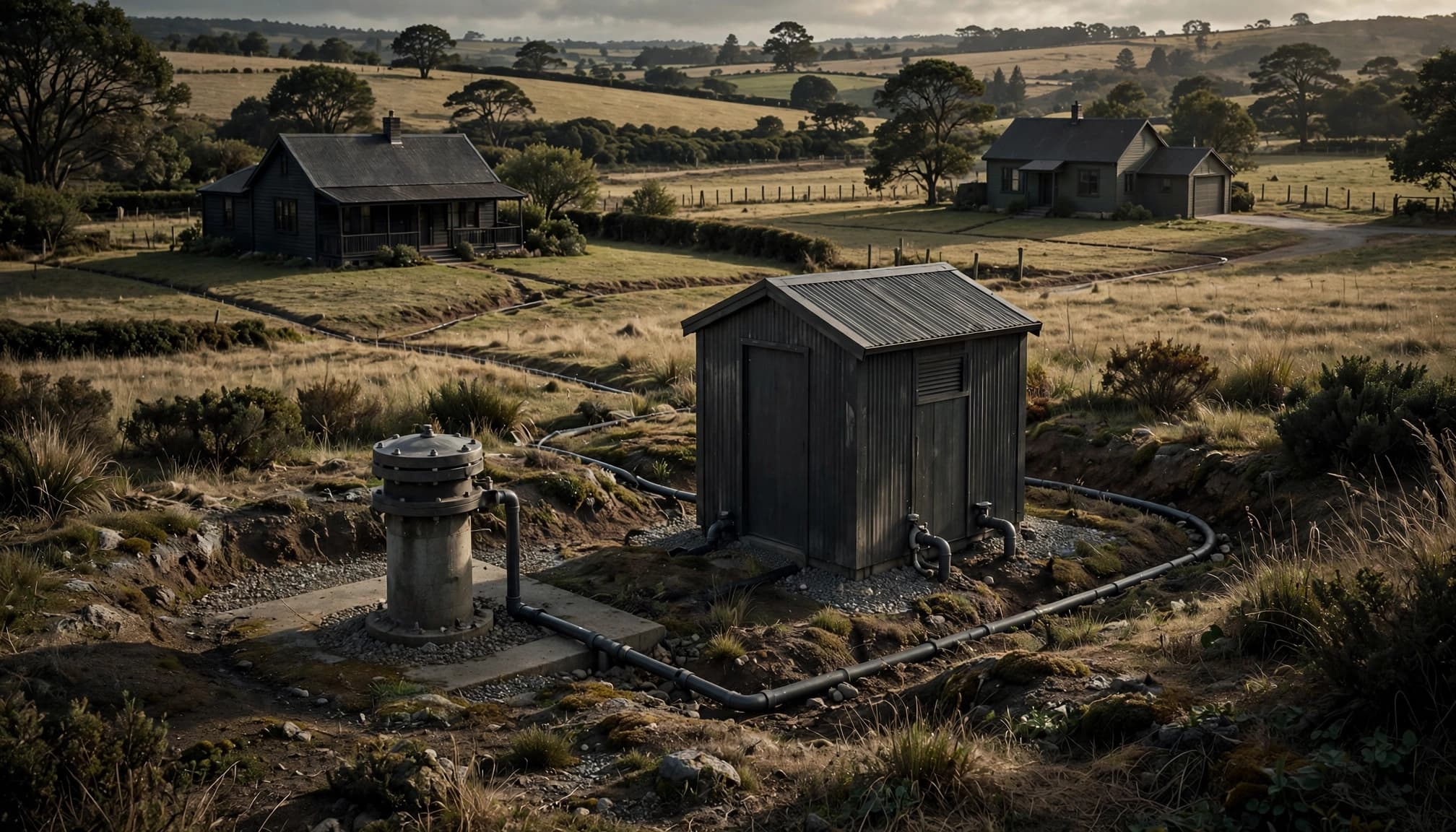
Before you list, map the arrangement as it exists today. A shared well can involve more than a wellhead. The properties may also share a pump, pressure tank, storage equipment, electrical supply, or water lines.
Identify the users and equipment
Confirm which neighboring properties receive water and where the shared equipment is located. Walk the property, review any site plans you have, and ask the other well users to confirm the setup. Note which components are shared and which serve only your house.
If you don’t know where a water line runs, don’t guess. Check available permits or drilling records, then ask the well contractor or local health department how to find more information. A clear account of the physical setup helps answer buyer questions and prevents assumptions from becoming disclosure statements.
Check access to the well
Find out how each user can reach the well, pump, and other shared equipment. The access route may cross a neighboring lot, or another owner may need to enter your property for repairs.
Look for recorded easements or other documents that establish access. If access has been handled informally, write down what the parties currently do, but don’t present an informal understanding as a recorded legal right. Ask a local real estate attorney or title professional to review the arrangement before you describe it to buyers.
Gather the Well and Property Records
Collect documents before listing. Buyers can assess the arrangement more easily when the paperwork is in one place.
Find agreements, permits, and service records
Look for a shared-well agreement, recorded easements, well permits, drilling logs, pump records, inspection reports, and invoices for repairs. Include records that show who paid, what work was done, and when it happened.
A useful file also includes the contact details for the well contractor and the other property owners. If a document is missing, say so. Don’t recreate an old agreement from memory or suggest that an unrecorded document exists.
Read the agreement for operating terms
If there is an agreement, check what it says about maintenance, repair approval, cost sharing, access, water use, and what happens when a property is sold. Confirm whether the obligations apply to later owners. Don’t assume a verbal arrangement between current neighbors automatically transfers to a buyer.
The Water Systems Council’s shared-well guidance discusses issues owners should address when sharing a supply. Have a qualified local professional review the actual agreement. The document may affect property rights and future repair bills.
Test the Water and Keep the Results
Water quality is a likely buyer question. A recent lab report gives you a clear answer about what was tested and when. It does not guarantee the water will remain unchanged.
Use an annual test as a starting point
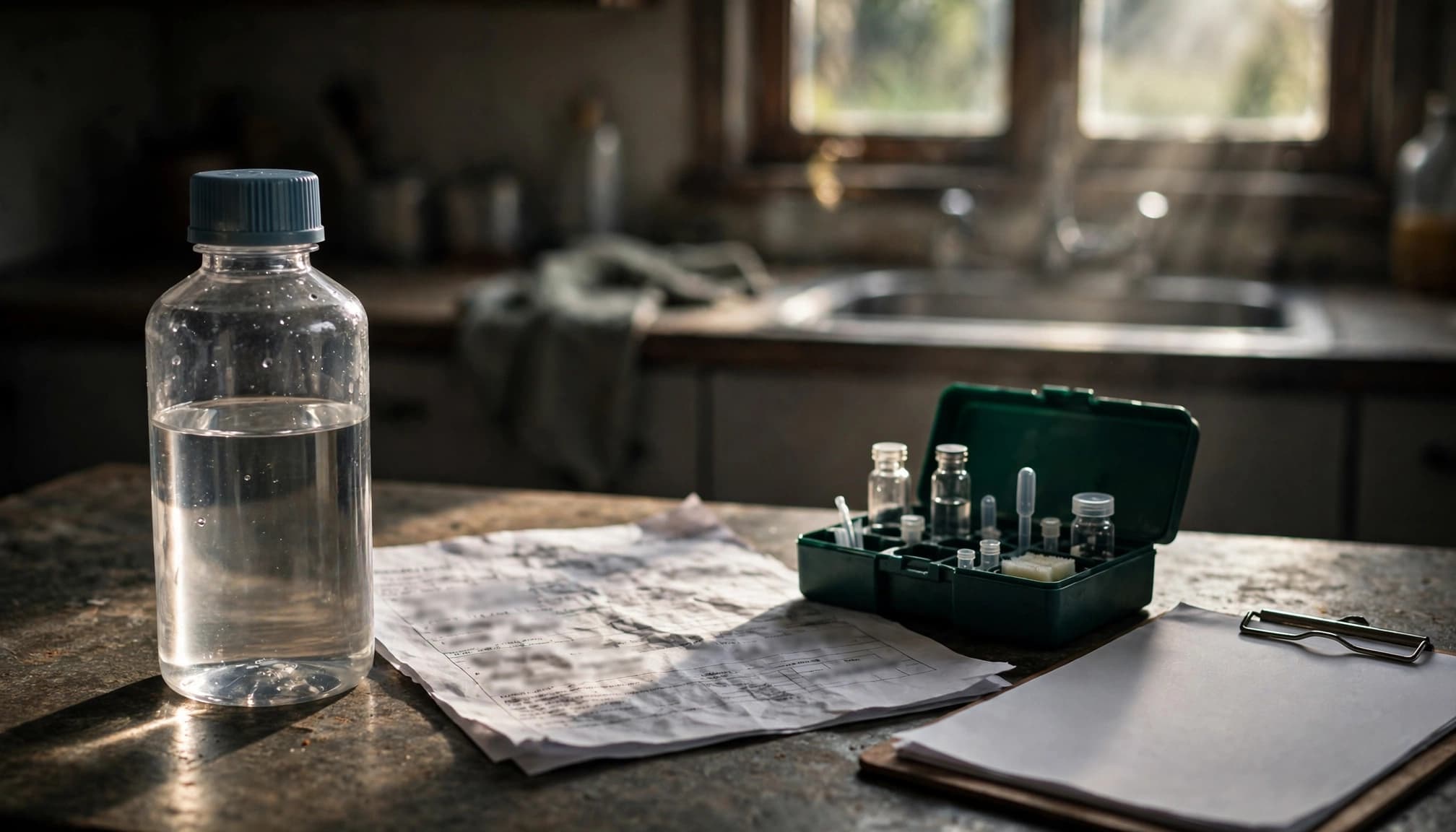
The CDC recommends testing private well water at least once a year for total coliform bacteria, nitrates, total dissolved solids, and pH. Follow CDC’s private-well testing guidance, and keep the full report, including the sample date and lab information.
Use a certified drinking-water laboratory and follow its sampling instructions. EPA’s guidance for private well owners also recommends annual testing for these four items. A test performed for a past sale or several years ago is not a substitute for current results.
Ask about local contaminants and sampling rules
The annual list is a baseline, not a complete answer for every location. Ask your local or state health department whether your area has concerns such as arsenic, radon, or other contaminants. The right tests depend on local conditions and the home’s history.
If a buyer raises a concern about lead, follow CDC’s guidance on sampling for lead. Sampling methods matter. Don’t rely on a home test kit or a sample collected contrary to the lab’s instructions when you need results for a transaction.
If a result is outside the applicable standard, share the report and ask the health department or a qualified water professional what follow-up makes sense. Don’t describe the water as safe based only on a single result.
Explain Reliability, Maintenance, and Costs
Buyers want to know whether the system can meet household needs and what happens when equipment fails. Give them records rather than broad assurances.
Share any pump service, pressure tank replacement, water shortage, interruption, or repair history you know about. If there have been no known problems, say that plainly. Don’t imply that a system has been inspected or tested if it hasn’t.
Explain how the owners divide routine bills and unexpected costs. State whether payments are made directly to a contractor or reimbursed between owners, and how repair decisions are approved. If the current practice isn’t written down, tell your agent and get local legal advice before treating it as a binding rule for the buyer.
Well capacity is another possible question. The Water Systems Council’s guidance cites at least 3 gallons per minute for existing wells and 5 gallons per minute for new construction over a continuous four-hour period. These are guidance figures, not universal legal standards or a guarantee that a particular well meets local requirements. If capacity is uncertain, ask a well professional what test is appropriate.
Check Local Disclosure Rules Before Listing
There is no single nationwide seller-disclosure form for shared wells. Requirements vary by state and locality. Your state may ask about the water source, known defects, test results, shared agreements, or permits. Local rules may also set testing or transfer requirements.
Ask your real estate agent, attorney, or state real estate regulator which forms apply to your property. Check current forms, not a sample from another state or an old transaction file. For example, state forms in Alaska and Colorado ask sellers about shared well arrangements or related records. Those examples don’t establish the rules where you live.
Disclose what you know
Answer the required questions accurately and provide the documents requested. Disclose known water-quality results, outages, repairs, disputes, and restrictions according to your local form and law. If you don’t know an answer, don’t fill the gap with a guess. Ask your agent or attorney how to respond.
In some states, the required form asks whether there is a shared-well agreement and whether the seller can provide it. The exact wording and duties differ. Don’t assume that handing over an agreement replaces other required disclosures.
Get unclear terms reviewed
If an agreement is missing, conflicts with current practice, or doesn’t explain costs, get advice before accepting an offer. A real estate attorney familiar with local property law can review whether a new agreement or amendment is needed. A title professional can check recorded documents and identify issues that may affect transfer.
Don’t ask a buyer to rely on a verbal promise about access or repair costs. Put agreed terms in the proper transaction documents, with help from qualified professionals.
Prepare for Buyer Questions and Closing
Prepare a short file for your agent and prospective buyers. Include the well description, user properties, agreement, access records, permits, test reports, maintenance invoices, and a plain explanation of how costs are handled. Share documents through the normal transaction process and keep a copy.
Expect questions about water quality, service interruptions, household demand, repair history, and the other owners’ cooperation. Answer from records where possible. If a buyer wants an updated test or inspection, discuss who will arrange and pay for it under the purchase agreement. Requirements vary, so don’t promise that every lender, buyer, or title company will ask for the same items.
Before closing, confirm how the shared-well agreement and any recorded access rights will be handled. Ask the title company and your qualified legal adviser to flag missing signatures or documents. A well-documented transaction gives the buyer a clearer picture of what they are accepting.
FAQ
Can I sell a house if the shared-well agreement is missing?
You may still be able to sell, but a missing agreement can leave buyers uncertain about access, repair costs, or future responsibilities. Tell your agent what you have and what is missing. Ask a local real estate attorney whether an agreement should be prepared or recorded before closing.
Does the well need a new water test before a sale?
There is no single nationwide rule that requires the same test for every sale. State or local requirements may apply, and a buyer may request updated results. Check local rules and use a certified lab that follows the correct sampling method.
Who pays for shared-well repairs?
The agreement may set out how costs are divided. If it doesn’t, current owners may have an informal arrangement that needs review before a buyer relies on it. Explain the actual practice, provide available invoices, and get advice on how obligations should be documented for the sale.
Does sharing a well make the house harder to sell?
It can raise extra questions, but the arrangement alone doesn’t determine whether a sale can proceed. Buyers need clear records about water quality, access, reliability, and costs. Local disclosure rules and the terms of the agreement also matter.
Make the Shared Well Easy to Understand
A shared well is easier to evaluate when the records match the way the system actually works. Confirm the users and equipment, organize the agreement and test reports, and explain how access and costs are handled.
Check local requirements before listing, and have unclear property rights reviewed by a qualified professional. Clear information gives buyers a fair basis to decide whether the arrangement works for them.


