

A missing homeowners policy doesn’t automatically stop a sale. But if you’re trying to sell a house without insurance, you need to know who bears the risk before closing and what the buyer’s lender will require.
The distinction is simple: the seller’s coverage protects the seller before ownership transfers. The buyer arranges coverage for the home they’ll own. Neither side should assume the other’s policy will fill a gap.
Can You Sell a House Without Insurance?
Generally, no law requires you to carry homeowners insurance solely to list or sell a house. That doesn’t mean an uninsured sale will be easy. Your mortgage agreement may require coverage while you still own the property. A buyer using a mortgage will usually need a policy before the lender will close the loan.
The Consumer Financial Protection Bureau’s explanation of homeowners insurance distinguishes a lender’s requirement from a legal requirement to own insurance. If your lender arranges coverage after your policy lapses, it may charge you for that coverage. Don’t assume it protects your belongings or liability interests the way your former policy did.
A cash buyer may have no lender-imposed insurance requirement. That buyer still has to decide whether they can accept the risk. Confirm your own loan terms and the purchase agreement before letting a policy lapse.
What the Seller Risks Before Closing
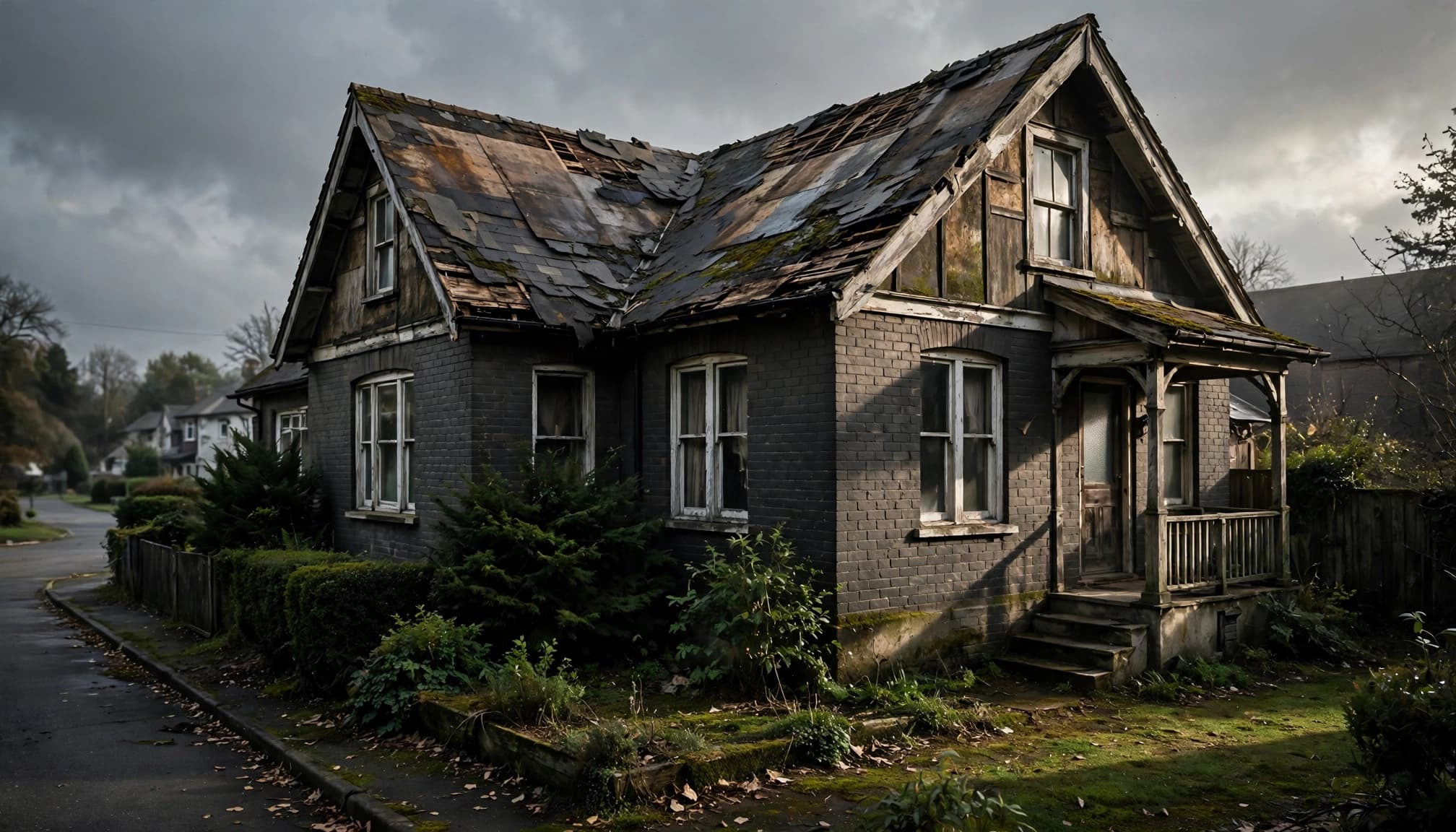
An accepted offer doesn’t end the seller’s exposure. The house can be damaged while inspections, loan approval, and title work are still underway. Who bears a loss under the sale contract depends on its terms and applicable law. Insurance is the separate question of who will pay a covered claim.
Damage Can Change the Sale
A fire, burst pipe, or storm can leave the seller paying for repairs without a policy to call on. The buyer may also seek repairs, a price change, or another remedy under the contract. The sale doesn’t automatically proceed on the original terms.
Tell your agent and closing professional promptly if damage occurs. Document what happened, and don’t promise a remedy before reviewing the contract.
Liability Remains a Concern
Showings and inspections put people on the property. A visitor could fall on damaged steps or be hurt by an unsecured area. Homeowners policies commonly include liability coverage, though the terms and exclusions matter.
The National Association of Insurance Commissioners’ homeowners insurance guidance explains the main types of protection a policy may provide. Without coverage, you may have to handle a claim yourself. Keep the property reasonably safe and restrict access to known hazards.
A Vacant House Needs Its Own Coverage Check
An empty house can be harder to insure than one you live in. A leak may go unnoticed. Theft or damage may not be found until the next showing. A standard policy can also limit coverage when a property has been vacant for a period of time.
There’s no single vacancy deadline that applies to every policy. The Insurance Information Institute’s discussion of vacancy insurance describes why vacancy terms need a close look. Some restrictions can arise after about 30 days, but your policy language controls.
Tell your insurer when you move out, even if the policy is still active. Ask whether it distinguishes an unoccupied home from a vacant one, what losses remain covered, and whether you need a vacancy endorsement or separate vacant-home policy. Get the answer in writing. Don’t wait until after a loss to find out how the insurer classifies the property.
What Buyers and Their Lenders Need
The seller’s lack of insurance doesn’t automatically prevent a buyer from obtaining a policy. The buyer’s insurer will assess the home under its own rules. Its decision may depend on the roof, wiring, plumbing, location, occupancy plans, and other property details.
A Mortgage Buyer Needs Proof of Coverage
Mortgage lenders typically require homeowners insurance as a condition of the loan. The buyer chooses an insurer, then coordinates the policy’s start date and proof of coverage with the lender and closing team. The CFPB advises buyers to shop for homeowners insurance before closing, rather than leaving it until the last days of the transaction.
A quote isn’t always a final policy. If an insurer declines the house or requires work first, the buyer should tell the lender and agent immediately. A financing or insurance-related contract deadline may apply.
A Cash Buyer Has a Choice, Not Protection
A cash purchase usually removes the mortgage lender’s insurance requirement. It doesn’t make damage cheaper to repair. A cash buyer who closes without coverage may bear an uninsured loss as soon as responsibility passes to them.
Buyers should request quotes before committing to a closing date, especially for a vacant house or one needing substantial repairs. Ask whether the proposed policy covers the home’s condition and planned occupancy. If coverage isn’t available, price and contract decisions should reflect that fact.
Keep Seller and Buyer Coverage Separate
The seller’s policy doesn’t automatically become the buyer’s policy. Each side needs to confirm its own coverage dates. The purchase agreement, lender instructions, and local closing process determine when ownership and risk pass.
Seller Coverage Before Transfer
If you have a policy, ask your insurer when to cancel it. Don’t choose a date based only on the scheduled signing appointment. Closing can be delayed, and signing isn’t always the moment ownership transfers.
If you’ve already lost coverage, ask an insurance agent what options are available for the remaining ownership period. Be accurate about the home’s condition and whether anyone lives there. An insurer needs that information to assess the risk.
Buyer Coverage When Ownership Begins
The buyer should arrange a separate policy with an effective date accepted by the lender and coordinated with closing. The closing professional can confirm the expected transfer date. The insurer can confirm when coverage actually starts.
If the seller will remain in the house after closing, both sides should tell their insurers and closing professionals. That arrangement changes who occupies the property and may affect policy terms. Don’t assume a standard owner-occupied policy covers a different arrangement without checking.
Disclosures and Inspections Still Matter
Insurance status and property condition are separate issues. A lapse doesn’t prove the house has a defect. It also doesn’t erase a seller’s duty to disclose known problems where the law or contract requires disclosure.
Sellers Should Give Accurate Answers
Disclosure rules vary by state and locality. A seller may need to report known water intrusion, fire damage, roof leaks, or other conditions even when no insurance claim was filed. Ask a local real estate professional or attorney which forms and duties apply.
If an insurer canceled or declined coverage because of a property condition, don’t hide the condition. Provide accurate dates and documents where required. Selling as-is generally addresses repair expectations; it isn’t permission to make a false statement or conceal a defect.
Buyers Should Check the Condition Themselves
Ask about the reason for any coverage lapse, cancellation, or refusal. Then verify the property’s condition through appropriate inspections and insurance quotes. Pay particular attention to damage that could worsen while the house sits empty.
A home inspection and an insurance review answer different questions. An inspector can identify visible concerns. An insurer decides whether it will issue a policy and on what terms. Neither replaces the other.
Options If Coverage Has Lapsed
Start with your former insurer or agent. Ask why the policy ended, whether it can be reinstated, and what must happen first. If reinstatement isn’t available, ask an independent agent about other insurers or coverage suited to the property’s occupancy and condition.
The NAIC’s consumer guide to home insurance can help you compare what policies cover and what they exclude. Confirm the effective date before relying on any new policy. A pending application isn’t the same as active coverage.
You can also compare a traditional listing with a direct cash offer. Bud Holdings buys houses in any condition and makes written offers. Its pricing considers comparable sales, repairs, carrying costs, and project risk. A cash offer may reduce financing complications, but it won’t cover a loss while you still own the house. It also won’t remove applicable disclosure duties.
Check These Dates Before Closing
The safest plan is a written timeline shared by the people handling the sale. Make sure the dates match the contract and each insurer’s requirements.
- Confirm whether the seller has active coverage and whether the insurer knows the home’s current occupancy and condition.
- Ask the buyer’s insurer for the proposed effective date. If the buyer has a mortgage, confirm what proof the lender needs.
- Have the agent or closing professional identify when ownership, possession, and risk transfer under the agreement.
- If closing moves, tell both insurers. Recheck the dates rather than assuming coverage moves with the appointment.
- Keep policy confirmations, disclosure forms, and any notice of new damage with the transaction records.
These steps can’t guarantee that every loss is covered. Policy terms, exclusions, and state rules still apply. They can prevent a date error that leaves both sides expecting the other to be insured.
Key Takeaways
- You can generally sell an uninsured house, but your mortgage terms and the buyer’s financing may affect the transaction.
- The seller’s risk continues before transfer. The buyer needs separate coverage for ownership after transfer.
- Vacancy, known defects, and closing delays deserve a direct conversation with the insurer and closing team.
Common Questions
Must a Seller Buy Insurance to Close?
There is generally no standalone legal requirement to buy a homeowners policy solely for a sale. An existing mortgage may require it, and the seller remains exposed to losses without it. Check your loan documents and state requirements.
Can a Buyer Get Insurance on an Uninsured House?
Yes, the seller’s lapse doesn’t automatically disqualify the property. The buyer’s insurer will assess the house. Get a quote early, then confirm that the insurer will issue coverage for its actual condition and occupancy.
Does an As-Is Sale Remove Disclosure Duties?
No. As-is terms don’t automatically remove duties to disclose known defects. Those duties depend on state and local law and the contract. Ask a local real estate professional or attorney before completing disclosure forms.
The Bottom Line Before You Sign
You may be able to sell a house without insurance. The practical question is who will bear a loss if something happens before the transfer, and whether the buyer can secure coverage in time.
Confirm the dates and the policy terms. Keep the seller’s exposure, the buyer’s policy, and the closing requirements separate.


