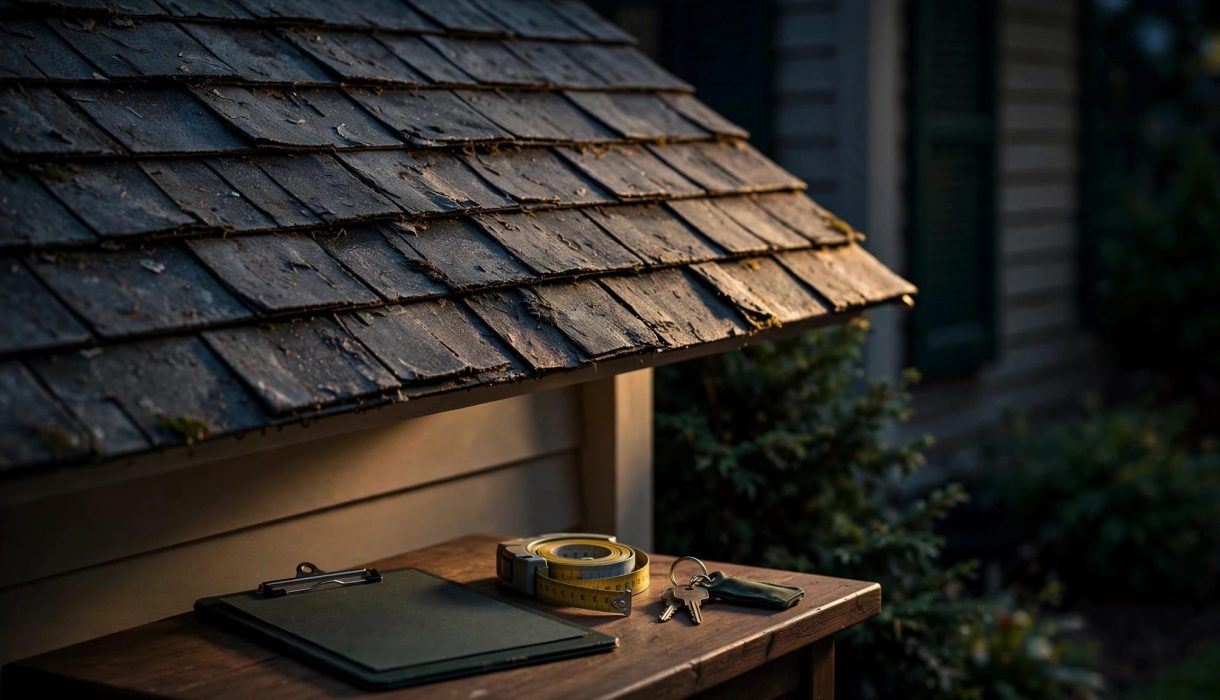

When you request a roof age cash offer, the buyer is not looking at the roof’s calendar age alone. They are estimating remaining useful life, repair risk, replacement cost, and how the roof may affect resale.
An older roof does not automatically make your house unsellable. It can change the offer, especially when the buyer expects to replace it soon after closing. The adjustment depends on the roofing material, inspection results, local labor costs, and the buyer’s timeline.
How a roof age cash offer is calculated
A cash buyer usually looks at the house as a project with known and unknown costs. The roof is one part of that calculation.
Remaining useful life matters
A 12-year-old architectural shingle roof may have more usable life than a 12-year-old basic 3-tab roof. A 35-year-old metal roof may also be in better condition than a poorly maintained asphalt roof that is only 18 years old.
The buyer may review:
- The roof’s installation date, if records are available.
- The material and expected service life.
- Visible wear, leaks, and previous repairs.
- The condition of flashing, vents, gutters, and roof decking.
- Whether the roof has been exposed to hail, wind, heavy snow, or intense heat.
A buyer may not deduct the full cost of replacement when the roof still has several useful years left. The roof may instead receive a repair allowance or a smaller replacement reserve.
Near-term replacement changes the math
A roof near the end of its useful life creates a larger adjustment because the buyer may need to replace it soon. That cost is not limited to shingles.
The buyer may also account for tear-off, disposal, permits, labor, temporary protection, project delays, and the risk that the roof deck needs work after removal. These costs reduce the amount available for the purchase price.
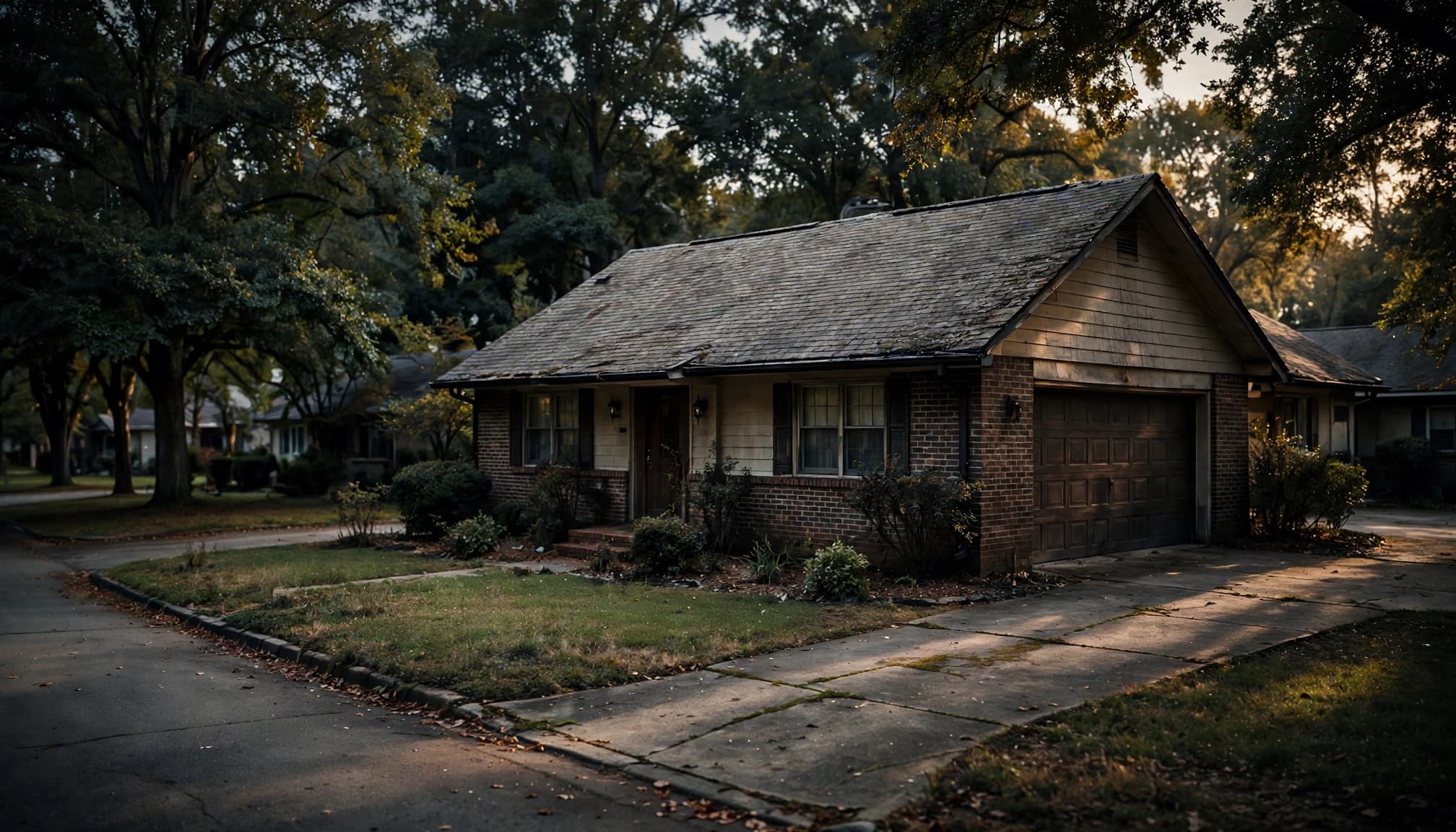
Roof age is one input in the offer, not an automatic rejection.
Why roof condition matters as much as age
Two roofs of the same age can produce different offers. A roof with clean maintenance records and no leaks may receive a smaller adjustment than a newer roof with active damage.
Inspection findings that increase deductions
A cash buyer may adjust the offer more when an inspection finds:
- Active water intrusion.
- Curling, missing, cracked, or loose shingles.
- Heavy granule loss.
- Damaged flashing around chimneys, vents, and valleys.
- Soft or rotted decking.
- Poor attic ventilation.
- Hail or wind damage.
- Multiple layers of old roofing material.
These findings create more uncertainty. The buyer may not know the full cost until a roofer removes damaged materials.
A roof lifespan and maintenance guide explains why ventilation and installation quality can affect how long roofing materials perform.
Repairs may be enough in some cases
A small flashing problem or a few missing shingles may not require a full replacement. A buyer may request a contractor’s opinion, use an existing repair estimate, or include the repair in the project budget.
That does not mean every repair is worth completing before you request an offer. If the work is expensive, cosmetic, or unlikely to recover its full cost, you may prefer to sell as-is and compare the resulting offers.
Be accurate about known leaks and prior claims. A clear disclosure helps prevent a late price change after inspection.
Roofing material changes the adjustment
Material affects both expected lifespan and replacement cost. The following ranges are general guidance, not guarantees for every roof.
| Roofing material | Common service-life range | What buyers may consider |
|---|---|---|
| 3-tab asphalt shingles | 15 to 20 years | Age, granule loss, leaks, and replacement timing |
| Architectural asphalt shingles | 25 to 30 years | Installation quality, ventilation, and remaining life |
| Standing-seam metal | 40 to 70 years | Panel condition, seams, fasteners, and specialized labor |
| Clay or concrete tile | 50 to 100 years | Broken tiles, underlayment, structure, and repair access |
| Natural slate | 75 to 150 years or more | Slate condition, flashing, weight, and specialist availability |
The ranges in roofing references vary. You can review additional material comparisons in this 2026 roofing material lifespan report before estimating what your own roof may have left.
Asphalt roofs are common, but age still varies
Basic 3-tab shingles often have a shorter expected life than architectural or dimensional shingles. Climate, attic ventilation, installation quality, and maintenance can shorten either range.
A 19-year-old 3-tab roof may be treated as a near-term replacement. A 19-year-old architectural roof may still receive a different assessment if it has no leaks and has been maintained.
Metal, tile, and slate need a closer review
Longer-lived materials do not mean no deductions. A metal roof may need specialist work around seams or penetrations. Tile can crack, and the underlayment below the tile can age before the visible surface does. Slate repairs may require a contractor with the right experience.
A buyer may value the longer remaining life, but they can still account for repair availability and cost. A homeowner guide to roof lifespan provides additional examples by material.
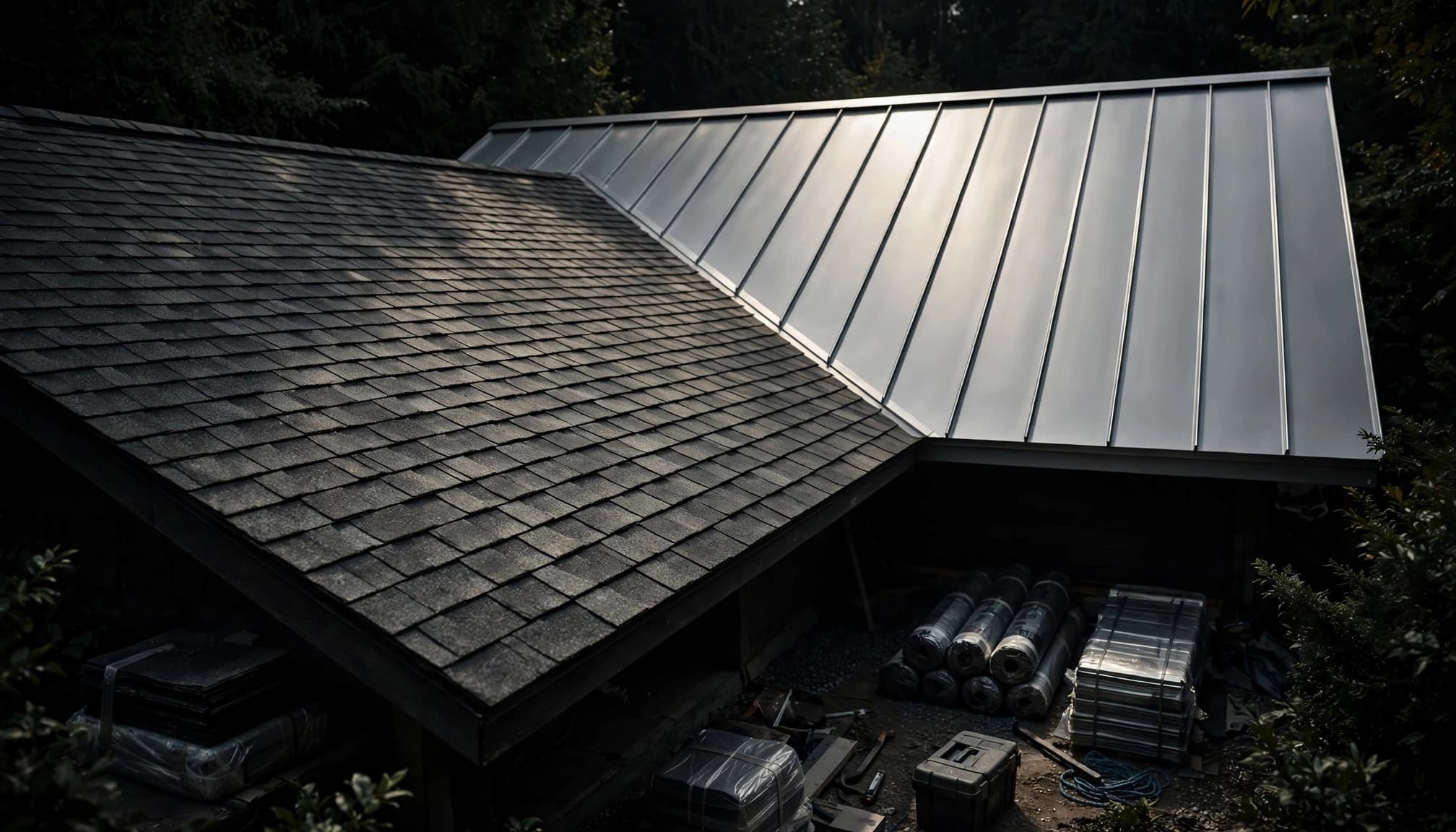
Replacement cost depends on local conditions
Roof estimates vary by location, roof size, pitch, material, labor rates, permit requirements, and contractor availability. A national average cannot tell you what a buyer will spend on your house.
The roof itself is only part of the estimate
The buyer may estimate costs for:
- Removing and disposing of old roofing.
- Replacing shingles, panels, tile, or slate.
- Repairing damaged decking.
- Replacing flashing or underlayment.
- Installing ventilation.
- Renting equipment for a steep or difficult roof.
- Paying for permits and inspections.
One consumer cost summary cites shingle replacement ranging from about $2,000 to nearly $25,000, with an average near $10,000. It also notes that labor can make up roughly 60% of the total. Those figures are reference points, not a quote for your property. See the roof shingle replacement cost guide for more detail.
Local labor can change the offer
A roof replacement in a high-cost market may cost much more than the same roof in a lower-cost area. Short contractor supply, difficult access, steep pitches, and storm-related demand can increase the buyer’s estimate.
This is why two cash buyers may make different offers after reviewing the same photos. They may use different contractors, resale plans, project timelines, or risk allowances.
Buyers also price holding and resale risk
The roof deduction is not always a simple dollar-for-dollar subtraction. A buyer may account for what happens while the property is being repaired and prepared for resale.
Delays cost money
If the roof must be replaced before the house can be sold, the buyer may carry the property for additional weeks or months. During that period, they may pay property taxes, insurance, utilities, maintenance, financing costs, and contractor expenses.
Bad weather, permit delays, or hidden decking damage can extend the timeline. The buyer may include a reserve for those possibilities in the offer.
Resale condition affects the buyer’s risk
A buyer who plans to resell the property must consider whether the repaired roof will satisfy future buyers, inspectors, lenders, or insurers. A roof that is technically functional may still create questions if it is close to the end of its expected life.
That risk can reduce the headline offer. It does not mean the buyer is treating your house as worthless. It means the buyer is pricing work that may be required before resale.
A roof adjustment can include replacement, uncertainty, project time, and resale risk. It is not always the contractor’s invoice copied into the offer.
How different roof situations can change offers
The same roof age can lead to different results. These examples show how buyers may think about the issue.
A 19-year-old 3-tab asphalt roof
If the roof shows curling shingles, granule loss, or repeated repairs, a buyer may treat replacement as a near-term project. The offer may reflect the estimated replacement cost plus time and risk.
If the roof has documented maintenance and no active leaks, the adjustment may be smaller. The buyer still knows the roof is near the usual service range.
A 12-year-old architectural asphalt roof
A 12-year-old architectural roof may have useful life remaining, especially with good ventilation and no major damage. The buyer may inspect it rather than assume full replacement.
Visible wear, poor installation, or storm damage can change that assessment. The roof’s age is helpful, but condition controls the final decision.
An older metal or slate roof
An older metal or slate roof may not need replacement based on age alone. Its panels, seams, flashing, fasteners, underlayment, and support structure need review.
Specialized repairs can be expensive. A buyer may allow for that cost even when the roof has a longer expected lifespan than asphalt shingles.
What to do before requesting cash offers
You do not need to replace an old roof before contacting buyers. You should collect enough information to explain its condition and compare offers fairly.
- Find the installation date, warranty, permits, invoices, and repair records.
- Check the attic and ceilings for stains, dampness, sagging, or signs of past leaks.
- Ask a qualified local roofer for an inspection if the roof’s condition is unclear.
- Request a written estimate when a replacement or major repair appears likely.
- Photograph visible damage, but do not walk on a roof if you are not qualified.
- Tell each buyer about known leaks, insurance claims, repairs, and unresolved problems.
- Ask whether the offer assumes repair, replacement, or further inspection.
A professional inspection can cost money, but it may give you a better basis for negotiation. Local guidance is especially useful when roofing materials, weather, and labor costs vary widely.
Ask cash buyers these questions:
- What roof condition did you assume when calculating the offer?
- Are you deducting a full replacement or a repair allowance?
- What contractor estimate supports that adjustment?
- Can the price change after inspection, and under what conditions?
- Which closing costs or fees will reduce my net proceeds?
- How long is the offer valid?
- Is the written offer the amount I should expect to receive at closing?
Compare net proceeds, not only the headline price. A higher offer with large fees, repair demands, or a likely renegotiation may leave you with less than a lower offer that has clear terms and fewer deductions.
Key Takeaways
- Roof age affects a cash offer, but it does not decide the result by itself.
- Material, maintenance, leaks, ventilation, and inspection findings matter.
- A buyer may price replacement, labor, holding time, uncertainty, and resale risk.
- Local costs can change the adjustment substantially.
- A written inspection or estimate can improve your negotiating position.
- Compare the amount you are likely to receive, not only the advertised offer.
FAQ
Will a cash buyer reject my house because of an old roof?
Not automatically. Cash buyers often purchase houses with old, damaged, or leaking roofs. The condition usually changes the price and project budget rather than making the property impossible to sell.
Should I replace the roof before getting a cash offer?
Not necessarily. Get an estimate first and compare the likely cost with the value it may add. A buyer may complete the work for less than you can, but you should still disclose known problems.
How much will a roof reduce my cash offer?
There is no universal deduction. The amount depends on roof size, material, local labor, remaining useful life, inspection results, and the buyer’s expected holding and resale costs.
Can a buyer change the offer after inspecting the roof?
A written offer should state when a price can change. Ask whether the offer is based on an inspection, photographs, seller disclosures, or a contractor estimate. Get any revised terms in writing before accepting.
A roof is a cost question, not an automatic deal-breaker
An aging roof can lower a cash offer because the buyer may need to fund repairs, manage delays, and protect the resale value. It does not automatically make your house unsellable.
Gather the records you have, get local information when needed, and ask buyers to explain their roof adjustment. When you compare net proceeds and written terms, a roof age cash offer becomes easier to judge on facts rather than assumptions.


