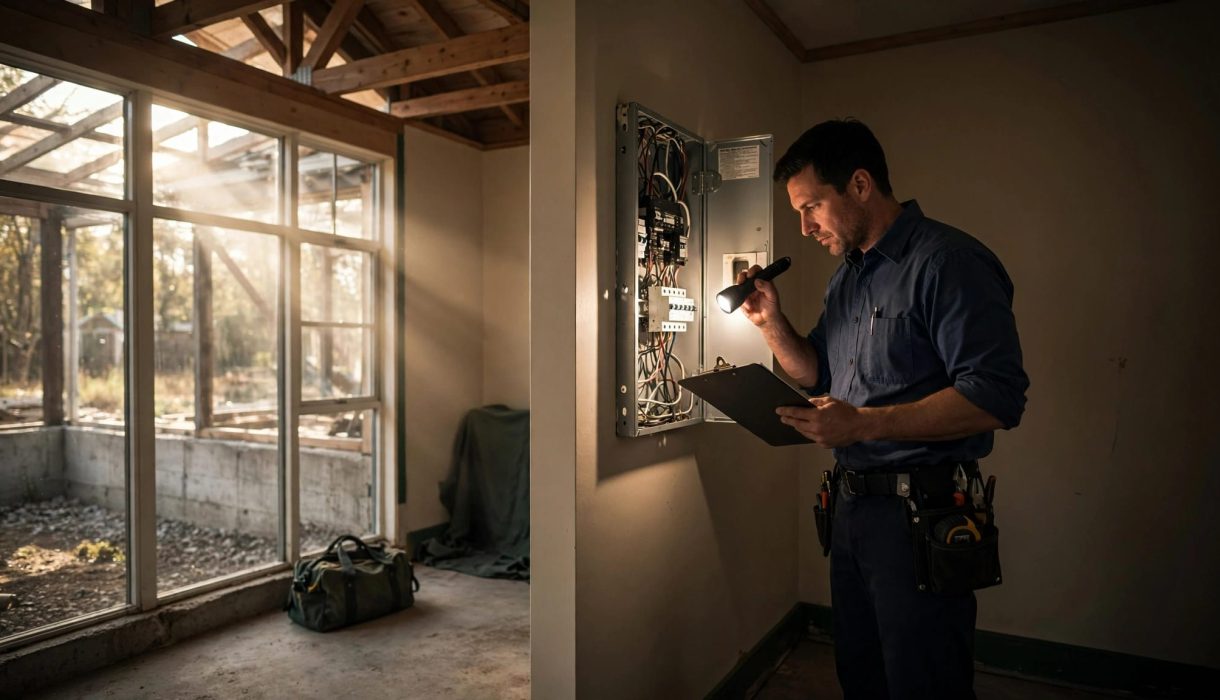

A cash offer doesn’t necessarily mean no inspection. A cash home buyer may complete a formal inspection, arrange a third-party inspection, or perform a shorter walk-through before finalizing the purchase.
The process is usually focused on the home’s condition, the work it may require, and whether the proposed price still makes sense. You should know what will be inspected, how long the appointment may take, who pays any inspection cost, and what happens if problems are found.
What a Cash Home Buyer Inspection Usually Covers
A home inspection is an objective review of the property’s physical structure and systems. The American Society of Home Inspectors explains what a home inspection covers, including areas from the roof to the foundation.
The exact checklist depends on the buyer and inspector. Ask for the scope in writing before the appointment.
Structure, Exterior, Roof, and Drainage
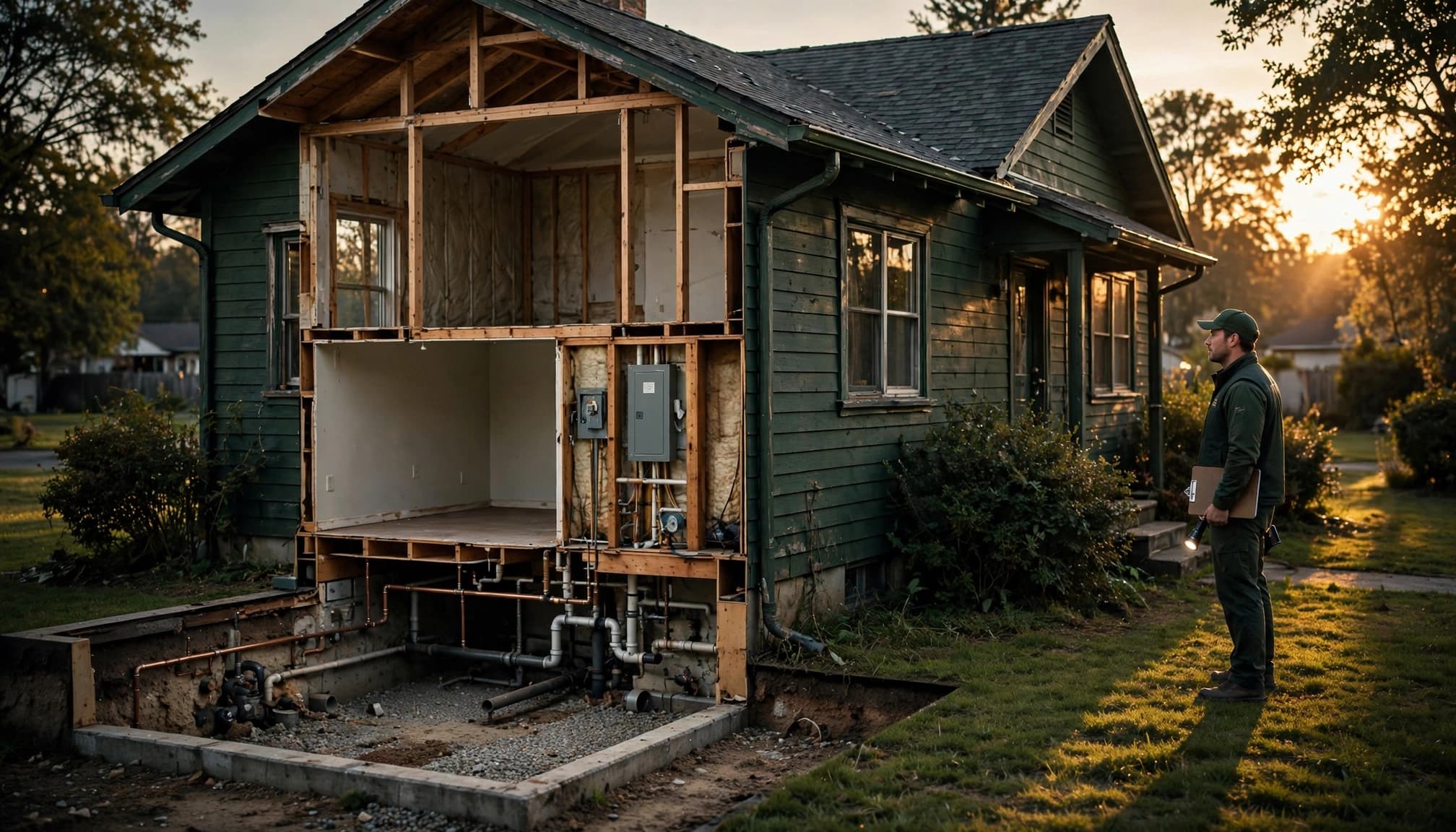
The inspection may include the foundation, framing, exterior walls, windows, doors, roof materials, gutters, and visible drainage systems. The inspector may also look for signs of water intrusion, rot, settlement, storm damage, or deferred maintenance.
The ASHI inspection standard refers to visible and accessible areas such as structure, exterior, roofing, plumbing, electrical, and HVAC systems.
An inspector generally reports observed conditions. That isn’t the same as opening finished walls or guaranteeing that every hidden defect has been found.
Plumbing, Electrical, and HVAC
Visible plumbing supply lines, drains, fixtures, water heaters, electrical panels, outlets, switches, heating equipment, and cooling equipment may be checked. The inspector may operate normal controls where they are accessible and safe to use.
The inspection may identify leaking pipes, outdated wiring, damaged panels, poor drainage, non-working fixtures, or an aging HVAC system. It doesn’t automatically provide a repair estimate, code ruling, or exact value for the property.
The ASHI standard of practice also discusses roofing materials, roof drainage systems, and vent systems, flues, and chimneys that aren’t readily accessible.
What Happens During the Appointment?
The process may begin with the buyer, inspector, or representative confirming access to the house. You may be asked to provide keys, unlock rooms, or point out known issues. You don’t need to follow the inspector through every room unless the buyer has requested that you stay.
A formal inspection may involve a written report. A buyer’s walk-through may be less detailed and may not produce a full inspection report. Those are different processes, so don’t assume that a quick visit has the same scope as an independent inspection.
How Long Does It Take?
There is no single time limit for a cash home buyer inspection. The appointment length depends on the home’s size, condition, access, and the type of inspection being performed.
Ask these questions before the visit:
- Is this a formal inspection or a buyer walk-through?
- Will a licensed or qualified third-party inspector attend?
- Which systems and areas will be included?
- Will you receive a written report?
- When will the buyer review the findings?
If crawlspaces, attics, outbuildings, or locked rooms aren’t accessible, those areas may not be evaluated. Tell the buyer about those limits before relying on the inspection result.
What Should You Tell the Buyer?
Disclose known leaks, fire damage, foundation movement, insurance claims, unsafe conditions, and previous repairs. Keep permits, invoices, warranties, and contractor reports available if you have them.
Being direct doesn’t guarantee that the buyer will accept every condition. It does reduce confusion and gives both sides a clearer record of what was known before closing.
What Can Happen After the Inspection?
The inspection doesn’t automatically cancel the offer or require you to repair the house. It gives the buyer information to use when deciding whether to proceed under the written agreement.
The Buyer Proceeds
If the findings match the buyer’s expectations, the transaction may continue at the agreed price and under the existing closing terms. The buyer may accept the property in its current condition, especially when the original offer already considered repairs and project risk.
Get any agreement about condition, repairs, or closing dates in writing. Verbal statements aren’t enough for a transaction involving significant money.
The Parties Negotiate
The buyer may request a price change, a credit, specific repairs, or permission to cancel if the contract allows it. You can accept, reject, or make a counteroffer.
The American Society of Home Inspectors’ repair negotiation guidance confirms that a seller isn’t automatically obligated to perform repairs after an inspection. Repair costs may also be negotiated between the parties. Don’t agree to work you can’t complete or afford.
The Buyer Reconsiders
Serious structural, environmental, title, or safety concerns may cause the buyer to pause or withdraw, depending on the contract. A lower revised offer isn’t automatically reasonable. Ask for the inspection findings and the reason for any proposed change.
A qualified local real estate professional can explain contract rights and state-specific requirements. Those rules vary by location.
Who Pays for a Cash Home Buyer Inspection?
The contract or buyer’s written process should state who orders and pays for the inspection. The arrangement can vary in a cash transaction.
For context, Opendoor reports that traditional home inspections often cost $300 to $500, with the buyer paying out of pocket in many traditional transactions. That figure shouldn’t be treated as a standard cash-sale fee.
Chase explains that payment arrangements may vary, and repair costs can be negotiated between the buyer and seller. Ask whether the inspection fee is paid directly to an inspector, deducted from proceeds, or handled another way.
Don’t pay an unexplained fee to a person who won’t identify the inspector, provide a receipt, or describe the service.
Key Takeaways
- Cash doesn’t automatically remove the inspection process.
- The buyer may use a formal inspection, a third-party inspector, or a shorter walk-through.
- Common areas include the structure, roof, exterior, plumbing, electrical system, and HVAC.
- A seller isn’t automatically required to make repairs.
- Price changes should be supported by the findings and documented in writing.
- Inspection costs and timing depend on the buyer’s process and contract.
- Pressure to waive reasonable due diligence is a warning sign.
Cash Home Buyer Inspection FAQ
Can I refuse the inspection?
You can ask what the contract requires and what choices you have. Refusing access may affect the transaction if inspection rights are included in the agreement. Review the contract with a qualified local professional before making that decision.
Will the buyer inspect every defect?
No. An inspection usually focuses on visible and accessible conditions. Hidden areas, blocked systems, and specialized concerns may require separate evaluation.
Can the buyer lower the offer after the inspection?
They may request a lower price if the contract allows negotiation. You don’t have to accept a new amount automatically. Ask for the findings, repair details, and revised terms in writing.
Know the Process Before You Agree
A cash home buyer inspection is a condition review, not a promise that every defect will be found or that every repair will be your responsibility. Ask about the scope, timing, inspector, fees, and possible outcomes before granting access.
The clearest process has no surprise charges, no unexplained price change, and no pressure to waive reasonable due diligence. Get the final terms in writing, then decide whether the speed and convenience of the sale justify the price.


