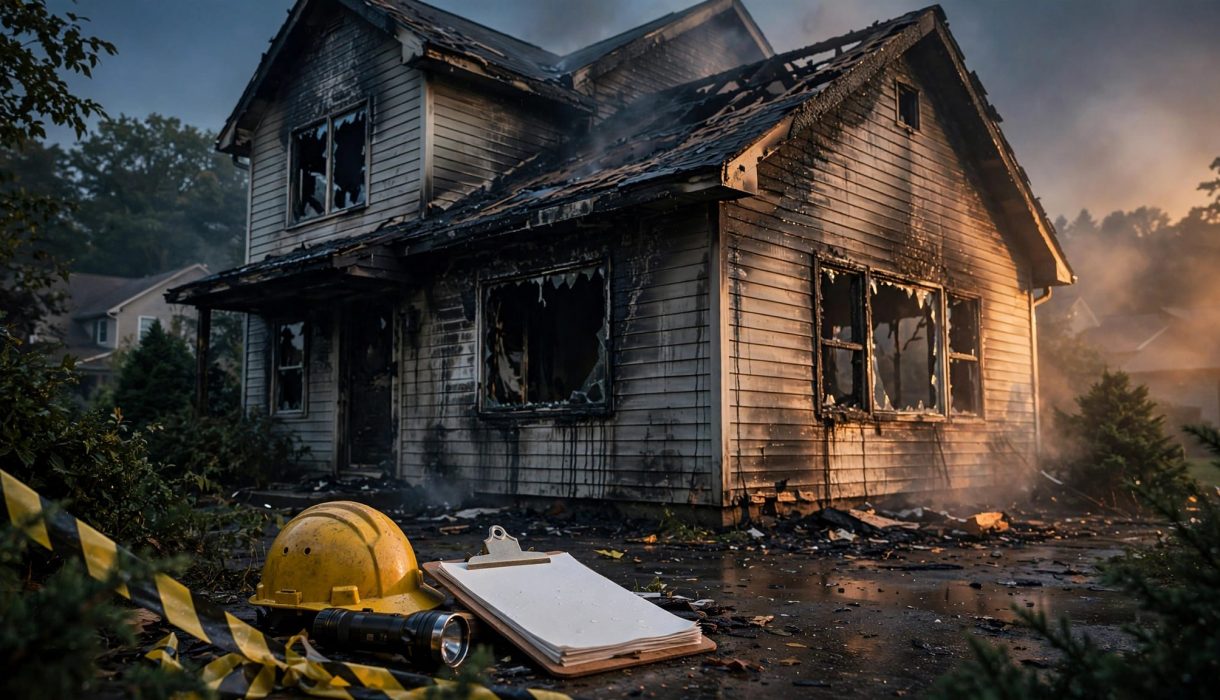

A house fire can leave you with more decisions than answers. You may be dealing with an insurance claim, unsafe areas of the property, smoke odor that will not leave, and bills arriving before you know what the house is worth.
You can sell a house with fire damage without rebuilding the entire property first. But safety, paperwork, disclosure, and pricing need to come before the listing or offer process.
Start with the condition of the house, not the sale strategy.
Sell House Fire Damage Only After a Safety Review
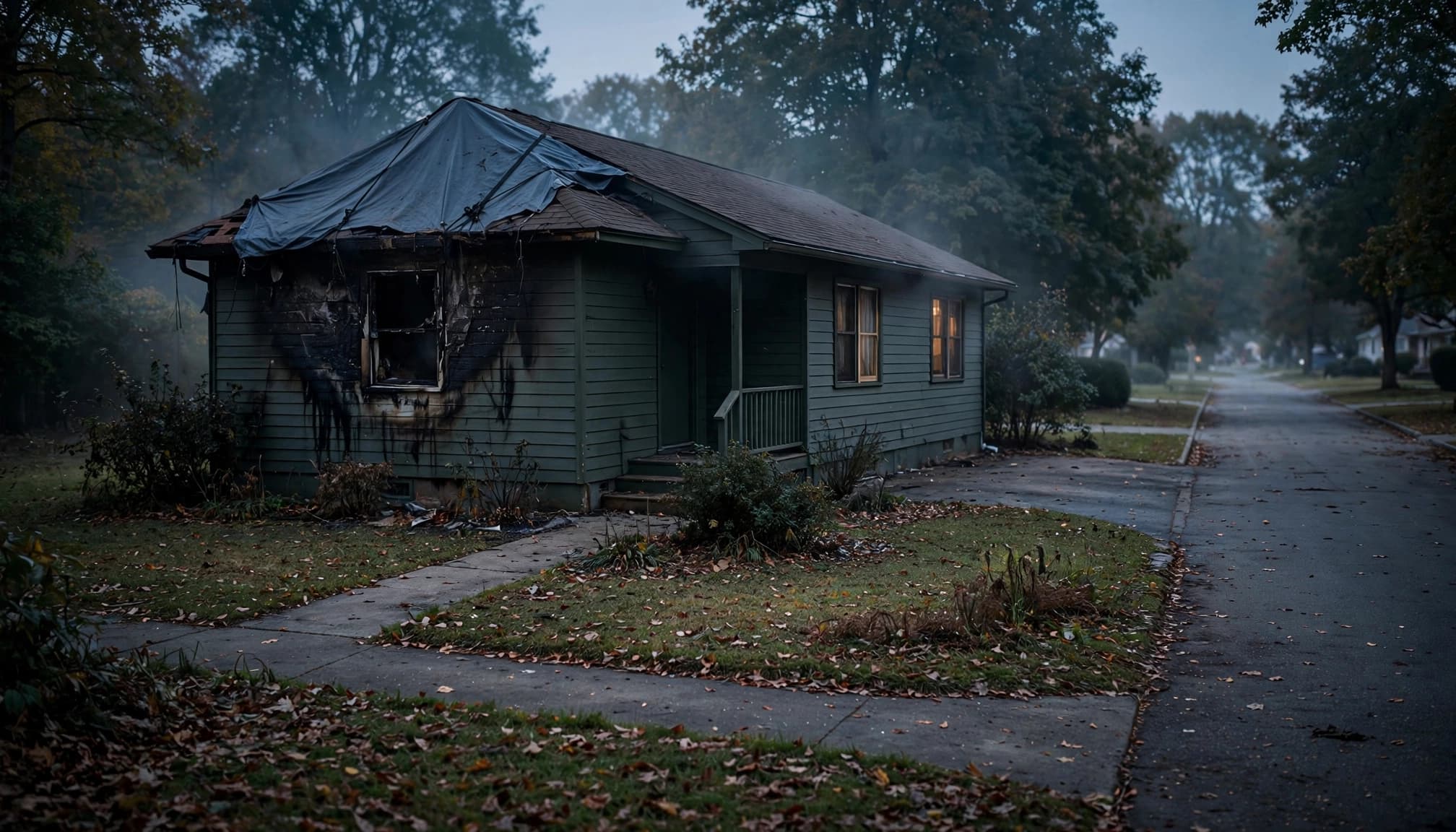
Fire can weaken framing, damage wiring, crack masonry, and leave behind water damage from firefighting. A house can look stable and still have unsafe areas.
Confirm the House Is Safe to Enter
Do not assume a small, contained fire caused only cosmetic damage. Ask qualified local professionals to assess the property before you, a contractor, or a buyer spends time inside.
That may include a structural engineer, licensed electrician, plumber, HVAC contractor, or building official. Damaged utilities should stay off until the appropriate professional clears them.
Local agencies often give the same warning. Spokane County’s post-fire safety guidance tells residents to seek professional help when they find structural damage, damaged utilities, or substantial soot and ash.
Document Before Major Cleanup Starts
Take clear photos and video of every room, exterior elevation, damaged system, and personal item. Save the fire department incident report, insurance claim number, adjuster reports, repair estimates, invoices, permits, and inspection records.
Do this before demolition or major cleaning changes the evidence. You may need those records for the insurer, a buyer, an appraiser, or your local disclosure form.
Keep one folder for the property. Put dates on everything. It makes later conversations shorter and clearer.
Smoke Odor Needs Real Remediation
Smoke odor is not a minor issue when you sell a home. It can affect drywall, insulation, carpet, cabinets, HVAC components, and stored contents. A buyer may smell it during the first showing or during an inspection, even if the fire happened months ago.
Paint and Air Freshener Are Not a Fix
Do not try to cover smoke odor with paint, fragrance, candles, or a rushed deep clean. Those steps may make the problem harder to assess, but they do not remove contamination from materials or air pathways.
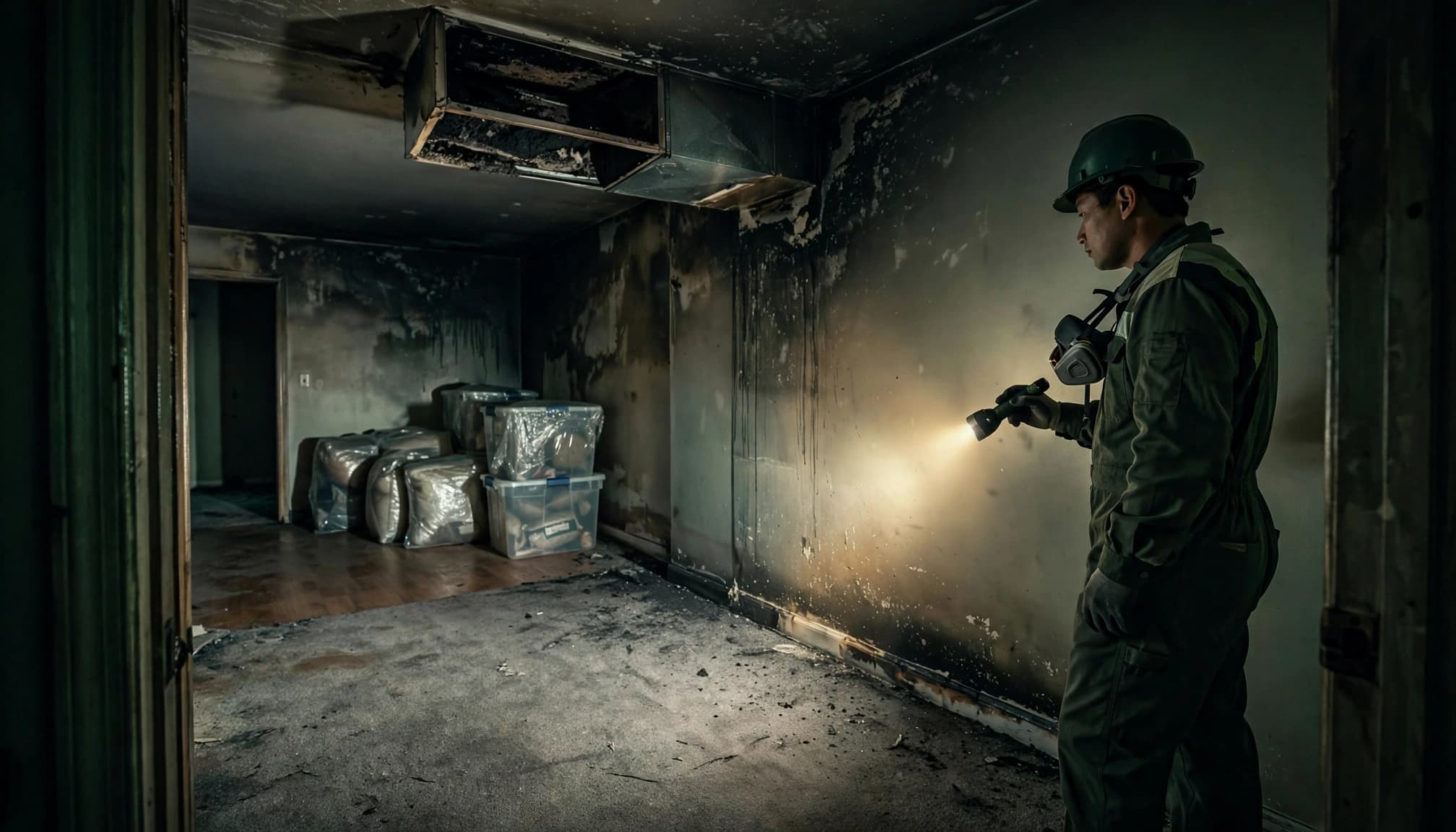
A qualified restoration company can inspect surfaces, cavities, ductwork, insulation, and contents. Depending on the findings, its written scope may include source removal, HEPA cleaning, duct cleaning, sealants, thermal fogging, ozone treatment, or hydroxyl generation.
Not every house needs every treatment. The right work depends on where smoke traveled and what materials absorbed it.
Get Written Results, Not Verbal Assurances
Ask for a written inspection report, remediation scope, invoice, and completion record. If odor remains, say so. Do not describe the house as remediated if only part of the work was completed.
Smoke can also be part of an insurance claim. Columbia’s review of wildfire smoke and U.S. law notes that smoke damage to building components can fall under dwelling coverage, subject to the policy and claim facts.
A clean-looking room is not proof that smoke contamination is gone. Buyers will rely on inspections, odor, records, and their own judgment.
Keep the Insurance Claim Separate From the Sale
Selling the property does not automatically end an insurance claim. But it can affect who controls repairs, who receives claim proceeds, and what the buyer expects. Read the policy, then speak with your insurer and qualified local counsel if the claim is still open.
Preserve Evidence and Track Every Conversation
Report the loss promptly and keep a record of each call, email, estimate, and inspection. Save the adjuster’s name, claim number, scope of loss, payment letters, and receipts for emergency services.
Ask before discarding damaged materials or authorizing work outside the approved scope. The insurer may need to inspect the damage, and you need a clear record of what existed before repairs.
If you disagree with a scope or payment decision, put the disagreement in writing. Keep your language factual. State what was damaged, what the report missed, and what document supports your position.
Check Deadlines in Your Own Policy
There is no single insurance deadline for every homeowner. Some policies require a proof of loss or similar claim paperwork within a stated period. One guide cites 60 days as a common requirement, but your policy controls.
Do not wait for a sale contract to read the claim requirements. Ask the adjuster what is due, when it is due, and how it must be submitted. Get the answer in writing if possible.
Disclose the Fire, Smoke, and Water Damage
Fire damage, smoke odor, and water used to put out the fire are material facts in many transactions. The disclosure form and legal duties vary by state. An “as-is” sale does not give you permission to hide known problems.
State What Happened and What You Know
Use plain facts. State the date of the fire if known, the affected areas, whether the fire department responded, and what repairs or remediation occurred. Include known remaining damage, unresolved odor, open permits, insurance claims, and utility concerns.
Do not guess at cause, safety, or repair quality. If you do not know something, say that you do not know. Then provide the reports you have.
A buyer can accept a damaged property. They cannot make an informed choice if material information is missing.
Use Local Advice for Local Rules
Seller disclosure rules differ by state and sometimes by property type. Redfin’s fire-damage selling overview also points out that disclosure laws vary and recommends working with an experienced local professional.
California, for example, has environmental-hazard disclosure materials that address known hazards, but that does not set the rule for every state. Review the forms required where the property is located. A local real estate attorney or licensed agent can explain the process, but neither can erase facts you already know.
Price the House Based on Its Current Condition
The price should match the property you are selling today, not the house as it existed before the fire. That means separating pre-fire value, after-repair value, and present as-is value.
Start With Comparable Sales and Repair Scope
Look at recent sales of similar homes nearby, then adjust for location, square footage, condition, permits, and fire history. A buyer will also subtract the expected cost of structural work, smoke remediation, water damage repairs, carrying costs, financing costs, and the risk of unknown conditions.
A practical valuation discussion needs three numbers:
| Value Point | What It Means |
|---|---|
| Pre-fire value | The estimated market value before the loss |
| After-repair value | The likely value after permitted repairs and remediation |
| As-is value | What a buyer may pay while taking on remaining work and risk |
The gap between after-repair value and an as-is offer is not only construction cost. It also covers time, uncertainty, financing, resale risk, and the buyer’s required return.
Decide Whether Repairs Will Pay for Themselves
Repairing first may make sense if the structure is sound, insurance funds are available, permits can be closed, and professional remediation can remove the odor. It may also open the property to more retail buyers and conventional financing.
Selling as-is may be more practical if work is extensive, the claim is unresolved, the home cannot be shown safely, or you do not want to manage contractors for months. The tradeoff is simple: you usually receive less than a completed retail sale price because the buyer takes on the work and risk.
Do not compare an as-is offer to the pre-fire value. Compare it to the money, time, and uncertainty required to reach the after-repair value.
Selling As-Is Has Clear Benefits and Limits
An as-is sale can reduce the work you need to manage. It does not remove the need for disclosure, access for inspections, or honest answers about the property’s condition.
What an As-Is Buyer May Handle
A cash buyer may buy a house with fire damage without lender-required repairs, appraisals tied to conventional loan standards, open-house traffic, or repeated buyer requests for cosmetic updates.
That can be useful when the house needs structural work, smoke remediation, roof repairs, electrical replacement, or a full interior rebuild. It may also give you a more predictable closing date.
Still, ask what the buyer will inspect, whether the offer can be changed, and who pays title and closing costs. Read the purchase agreement before you sign it.
What You Should Not Accept
Do not rely on a verbal price. Get the offer in writing. Check whether it includes inspection contingencies, assignment rights, repair credits, or cancellation deadlines.
You should also know whether the buyer is the final purchaser or plans to market the contract. A direct buyer can be a good fit, but the terms matter more than the label.
Keep control of the timeline. Do not sign a broad release of insurance rights or claims without qualified advice.
Key Takeaways
- Safety comes first. Have qualified professionals assess structural, electrical, utility, and HVAC concerns before marketing the property.
- Smoke odor needs proper investigation and remediation. Covering it up is not a repair.
- Keep complete records for the insurer, buyer, appraiser, and local disclosure process.
- Be direct about known fire, smoke, and firefighting water damage. “As-is” does not remove disclosure duties.
- Price against the house’s present condition and the real cost of bringing it back to market-ready condition.
Frequently Asked Questions
Can I Sell a House That Still Smells Like Smoke?
Yes, but you need to disclose the known odor and its likely source. Expect buyers to ask for remediation records, inspection access, and a price that accounts for remaining work.
If you have not had the property assessed, say that. Do not promise the odor will disappear after closing.
Do I Need to Repair Fire Damage Before Selling?
No. You can sell a fire-damaged house as-is. Repairing first may produce a higher sale price, but it also requires money, time, contractor management, and the risk that more damage appears after demolition.
The better route depends on the repair scope, your insurance position, local market demand, and how quickly you need to sell.
Will a Buyer Be Able to Get a Mortgage?
It depends on the lender, loan type, appraisal, and the property’s condition. Significant damage, unsafe utilities, missing systems, or unresolved smoke contamination can limit conventional financing.
Cash buyers and renovation-focused buyers may have more flexibility. That does not mean they will skip their own inspection or discount the risk.
A Clear Sale Starts With Clear Facts
A fire-damaged house can still be sold. The strongest position is not a perfect-looking property. It is a property with a clear condition report, honest disclosure, organized records, and a price that fits the work still required.
Clarity protects you. It also gives the next buyer a fair basis to decide whether the house is the right project.


