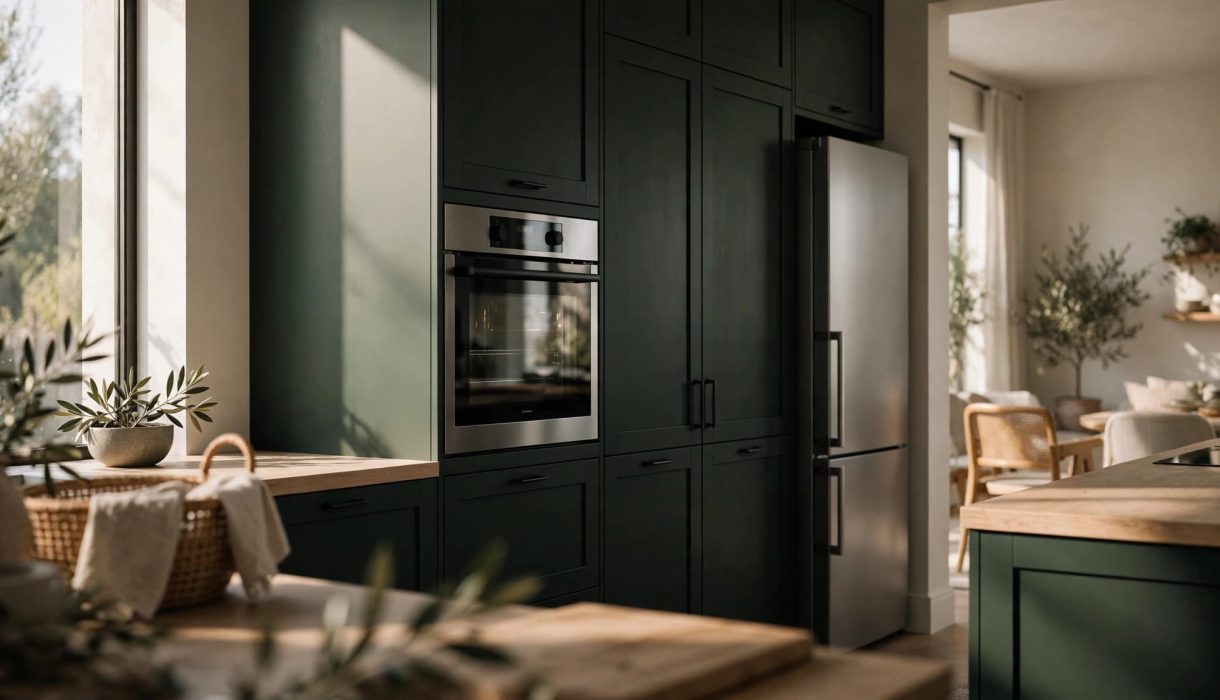

A built-in oven usually stays. A freestanding refrigerator may not. The answer depends on how an item is attached, local rules, and, most of all, what the signed purchase agreement says.
Buyers and sellers can prevent most surprises by naming disputed or valuable items in the contract before signing. Here’s how to tell fixtures from personal property and what to write down.
Key Takeaways
- Fixtures are items attached to the property. They generally remain unless the contract excludes them, but local rules and contract terms vary.
- Freestanding appliances are often treated as personal property. Don’t assume they’re included.
- The purchase agreement and any addenda control what transfers. The same type of appliance can be handled differently in different state forms.
- List valuable, disputed, or unusual items by name before signing. Include items the seller plans to remove.
- Confirm that the items are still at the property and in the agreed condition before closing.
Fixtures Included in Home Sale: The Basic Rule
A fixture is personal property that has become part of the home. It may be attached to a wall, floor, ceiling, plumbing, or electrical system. Removing it may leave damage or require repairs.
Common examples include built-in cabinets, attached light fixtures, bathroom vanities, faucets, and built-in appliances. A freestanding chair, countertop microwave, or portable air conditioner is more likely to be personal property. The difference can affect what stays after the sale.
The North Carolina State Bar’s real estate contract materials describe fixtures as generally conveying with the property and personal property as generally excluded unless the agreement includes it. That’s useful context, not a nationwide rule.
Attachment matters, but it doesn’t settle every question
A buyer may expect a wall-mounted television to stay because its bracket is attached. The seller may think the television itself is personal property. Both may have a reasonable expectation, but the signed agreement needs to settle it.
State forms can define or list items differently. Some name specific appliances as inclusions whether attached or not. Don’t rely only on whether something is screwed in, wired, or plumbed.
The written agreement is the boundary
A listing description, a conversation during a showing, or an assumption based on what’s usually left in the area may not match the final contract. Check the purchase agreement and every addendum for included items, exclusions, and any separate personal-property list.
If something matters to either party, name it in writing before signing. That gives both sides a clear record to use at the final walkthrough.
Which Appliances May Stay After a Sale?
Appliances are a common source of confusion because the same item may be built in at one home and freestanding at another. The contract can also name an appliance directly, regardless of how it is installed.
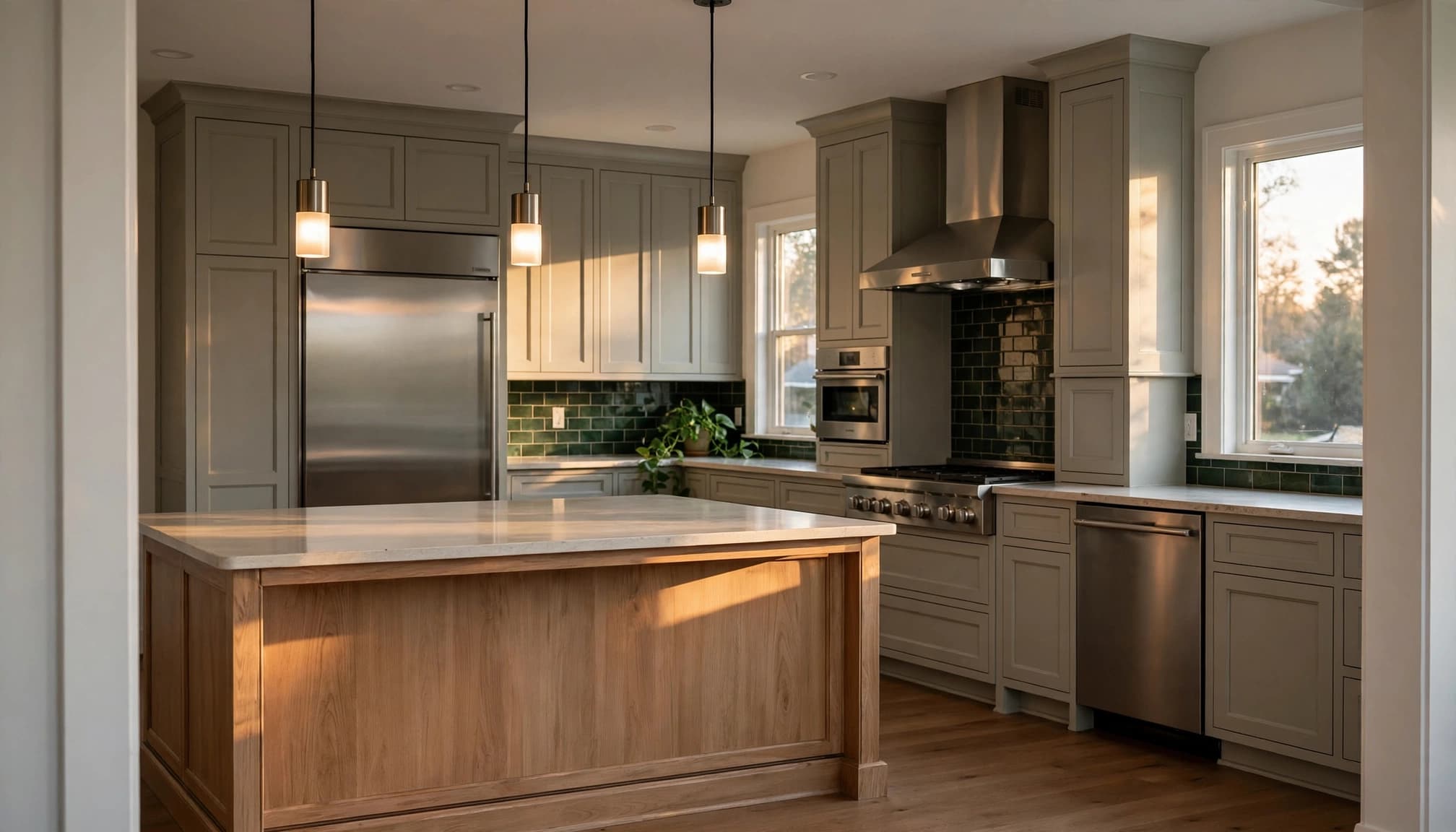
Built-in appliances are more likely to convey
A wall oven, built-in cooktop, range hood, or dishwasher is attached to the home’s cabinetry or utilities. Buyers often expect these appliances to remain, but the agreement still matters. A seller can exclude an item if the contract clearly says so.
Check for other installed equipment too. A water softener, built-in speaker system, or garage-door opener may be part of the property or may be subject to separate terms. If an item is leased, financed, or controlled by a service agreement, ask how that arrangement will be handled.
Freestanding appliances need a clear answer
A refrigerator, range, washer, or dryer can be treated as personal property when it isn’t attached to the home. Don’t assume it transfers because it was present during a showing or appears in a listing photo.
The North Carolina Realtors’ personal property consumer guidance uses a freestanding refrigerator as an example of an item that may need to be addressed separately. List each appliance by name if it’s included. If the seller is taking it, write that down too.
For clarity, identify the appliance and location. “Kitchen refrigerator” is better than “appliances.” If there are two refrigerators, name both.
Fixtures and Other Items Buyers May Expect
Appliances aren’t the only items that can cause a last-minute disagreement. Buyers may expect attached features to stay, while sellers may plan to remove them.
Common fixtures include:
- Light fixtures, ceiling fans, and hardwired lighting
- Bathroom mirrors, faucets, and built-in vanities
- Window blinds, shades, and attached curtain rods
- Garage-door openers and installed security equipment
- Built-in shelving, cabinets, and closet systems
Even these examples can be subject to a contract exclusion. A seller might replace a dining-room chandelier before closing, for example. If the buyer expects that fixture to remain, the contract should identify it. The parties can also specify whether the seller will leave a replacement fixture.
Window coverings can be especially unclear. The blinds may stay while decorative curtains do not, or the agreement may treat both as included. Name the pieces rather than relying on a broad phrase such as “window treatments.”
A mounted security camera may be attached to the building, while a portable camera is not. The equipment may also connect to a paid monitoring service. State what transfers, what the seller will remove, and whether the buyer will need to set up a new account.
Why State Contracts Handle Items Differently
There isn’t one national list of appliances and fixtures that must stay. State forms use different wording, and local customs can affect what buyers and sellers expect. A form used in Colorado may not handle every item the same way as one used in Florida or Utah.
The purchase agreement and its addenda control the deal. Review the actual documents for your transaction, not a checklist from another state.
Forms may separate attached items from personal property
Some agreements have one section for items attached to the property and another for personal property that the parties agree to include. Other forms name specific items or provide a separate list for exclusions.
For example, state forms may name ovens, ranges, hoods, cooktops, dishwashers, or refrigerators. The presence of an item on a form doesn’t create a universal rule. It shows why you need to read the form being used and complete it accurately.
Leased or controlled equipment needs special attention
Solar panels, security systems, water treatment equipment, and propane tanks can involve a lease, service plan, or ownership arrangement. An item’s physical attachment doesn’t tell you who owns it or whether the buyer can use it after closing.
Ask for the relevant agreement and identify any payments or transfer steps in writing. Texas guidance, for example, discusses a state-specific addendum when a fixture lease applies. Requirements depend on location and the transaction documents. Don’t apply a rule from one state to a home in another.
How to Prevent Appliance and Fixture Disputes
The best time to settle what stays is before the purchase agreement is signed. Verbal assurances can be remembered differently, and a listing photo may show an item without stating whether it’s included.
List inclusions and exclusions by name
Write down the item, where it is, and whether it stays or goes. For valuable or disputed property, avoid broad descriptions such as “all appliances” or “all fixtures.” A short list can distinguish the kitchen refrigerator from a garage freezer, or a built-in oven from a countertop microwave.
The Pennsylvania Realtors’ discussion of fixture disputes points to the same practical issue: disagreements arise when the parties don’t define what transfers. Make sure the written agreement or a signed addendum includes the terms both sides accepted.
Confirm the agreement before signing and closing
Before signing, read the sections covering fixtures, personal property, and exclusions. Confirm that any promises made during negotiations appear in the final documents. If the seller plans to remove an item, record that too.
Before closing, compare the property with the agreement. If an included appliance is missing, or an excluded item remains and creates a problem, raise it with the real estate professionals or closing contact handling the transaction. Don’t assume a verbal fix changes the signed contract.
Customs and laws vary by location. This is general information, not legal advice. If a high-value item or contract term is unclear, ask a local real estate professional or attorney before signing.
Frequently Asked Questions
Does a refrigerator stay with the house?
Not automatically. A built-in refrigerator may be treated as a fixture, but a freestanding refrigerator may be personal property. Check the agreement and name the refrigerator directly if it should stay.
Do washers and dryers usually come with the house?
They may be included, but don’t count on it. These appliances are often freestanding, so the contract should say whether the washer and dryer transfer. Identify them separately if only one is included.
Can a seller remove a light fixture?
The seller may be able to exclude or replace it if the agreement allows that. If the buyer expects a particular fixture to remain, identify it in writing. State whether a replacement is acceptable.
What if the contract doesn’t mention an item?
The answer may depend on the item, the agreement, and local rules. Don’t rely on assumptions about what “usually” stays. Ask the parties to clarify the item in a signed addendum before closing.
Put the Details in Writing
A fixture may seem obvious until one party plans to remove it. A freestanding appliance may seem included until moving day. The signed purchase agreement and any addenda should state what stays, what goes, and how leased or disputed items will be handled.
Name valuable items before signing, then check the property against the agreement before closing. That simple step gives both buyer and seller a clear answer.


One thought on “Which Appliances and Fixtures Stay With a House After a Sale?”