
A shared driveway doesn’t automatically prevent a sale, but unclear access rights can raise questions for buyers, lenders, and title companies. If you need to sell a house with a shared driveway, start by confirming what the recorded documents say and whether they match how the driveway is used.
The rules for driveway access, seller disclosures, and closing paperwork vary by jurisdiction. Gather your records early, and ask a local real-estate attorney or conveyancer to review anything you can’t confirm.
Key Takeaways
- Check your deed, title records, any recorded easement, and a current survey.
- Separate documented legal rights from informal agreements with your neighbor.
- Confirm who can use the driveway and who is responsible for repairs or upkeep.
- Follow your jurisdiction’s disclosure and conveyancing requirements.
- Get local legal advice if the paperwork conflicts with the driveway’s actual use.
How a Shared Driveway Affects a Sale
A buyer will want to know how they can reach the property, where they can drive or park, and whether they share responsibility for the driveway. A clear, documented arrangement gives them specific information to review. A casual understanding with a neighbor may not answer the same questions.
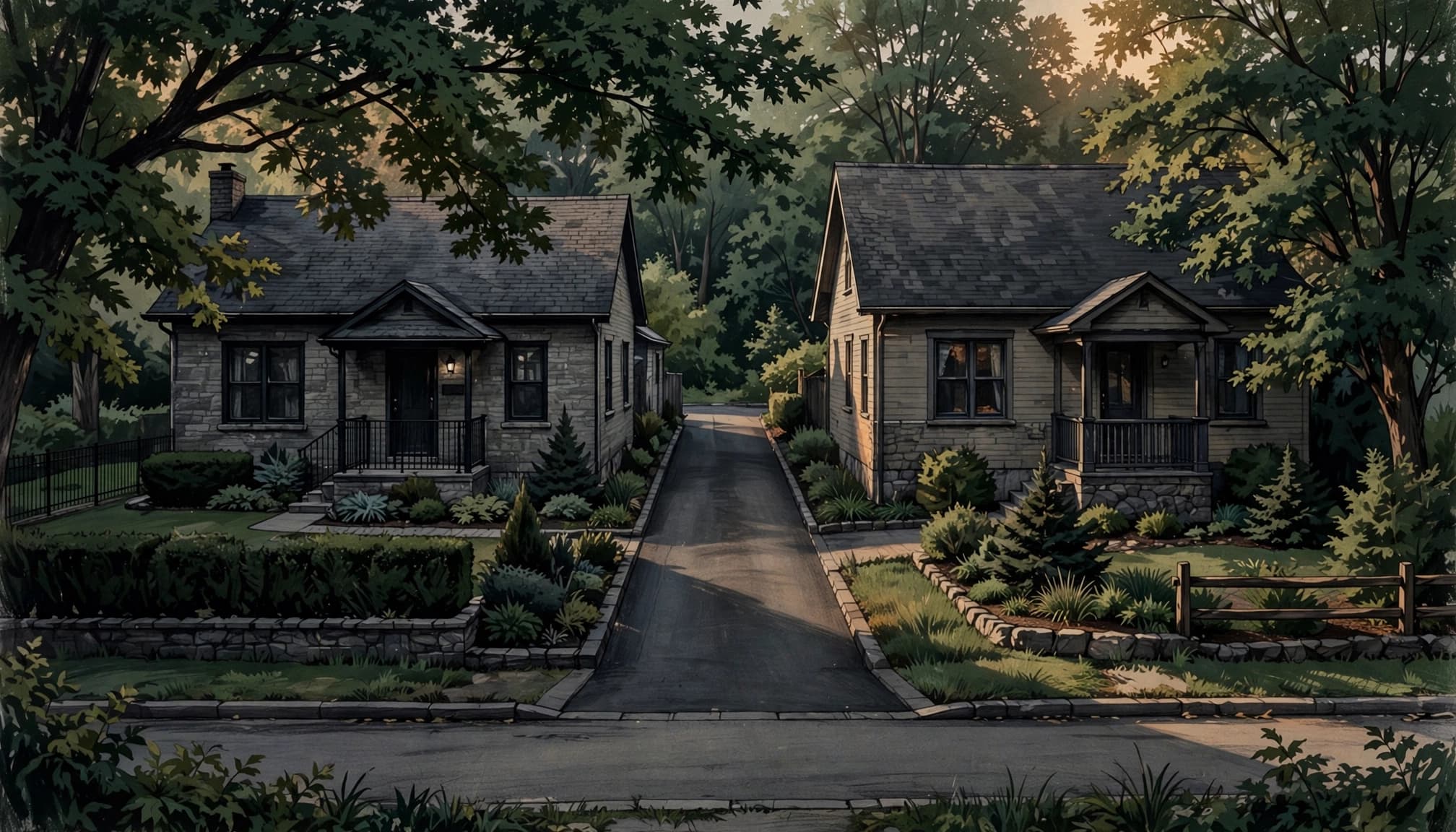
Access rights and ownership are different
The driveway may sit partly or entirely on one owner’s land, while another owner has a legal right to use it. An easement can grant a limited right to use someone else’s property without transferring ownership. How an easement affects a home sale depends on the document’s wording and where the right sits. A right of way is one type of access right, but the document’s wording controls what it permits. Rocket Mortgage explains the difference between an easement and a right of way.
Don’t assume the visible driveway tells you who owns the land or who has a legal right to use it. The recorded documents and survey matter.
Buyers need clear, practical answers
Expect questions about access for residents, visitors, deliveries, and service vehicles. Buyers may also ask whether parking is allowed, whether gates can be installed, and how repairs are handled. The answers depend on the recorded terms and local law.
A shared driveway doesn’t automatically lower a home’s value or prevent a sale. But uncertainty can prompt more questions and make it harder for a buyer to assess the property.
Check the Deed, Survey, and Title Records
Start with the paperwork before you advertise the property. Gather your deed, title commitment or policy, any recorded driveway easement or agreement, and a current survey if you have one.
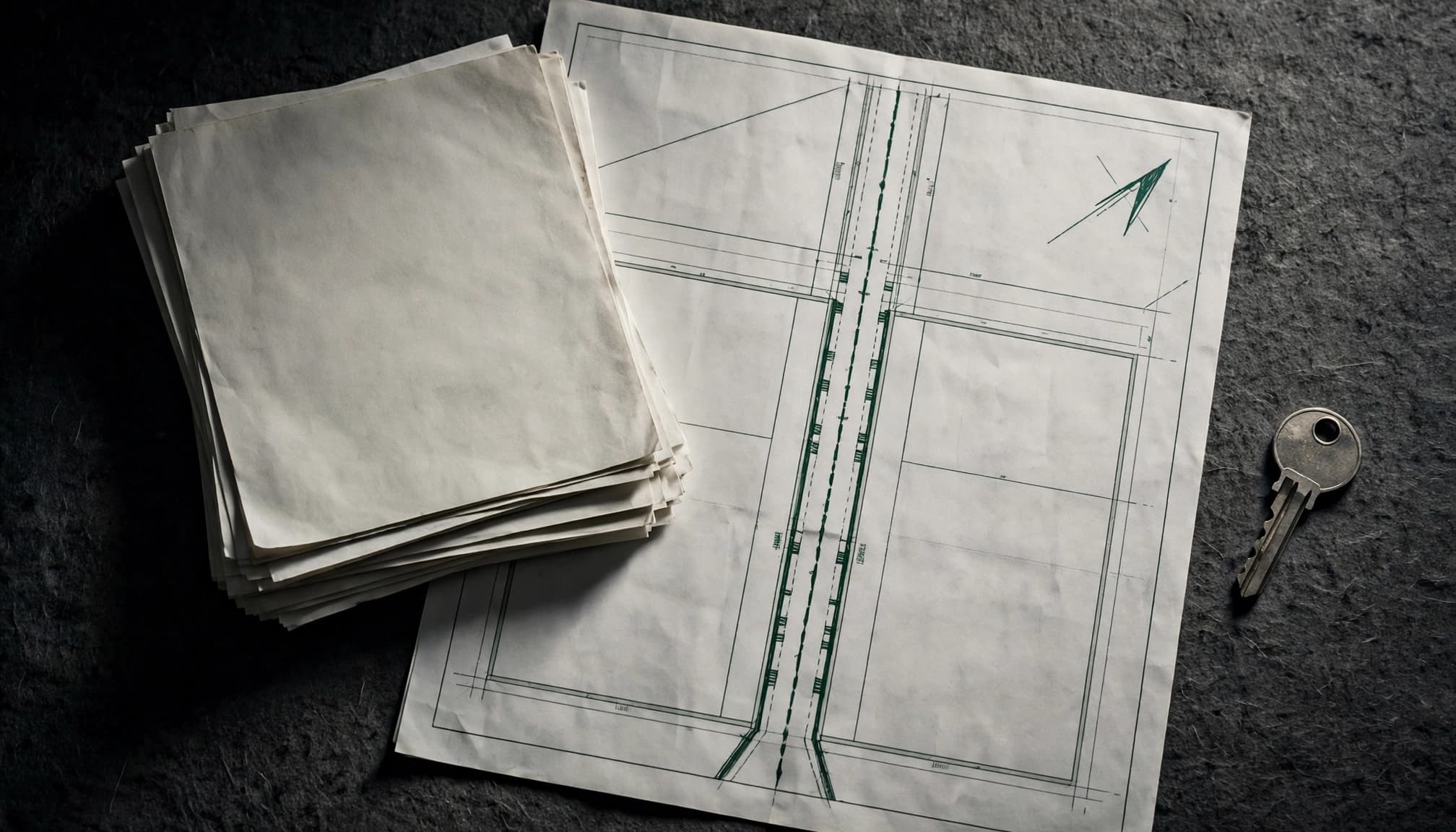
Find the recorded easement or agreement
Look for documents recorded with the local land records office. A title commitment may list an easement as an exception, but the short description may not show all its terms. Ask your title company or local records office how to obtain the underlying document.
Read for details such as the location of the access area, who may use it, and whether the document addresses maintenance. Deeds.com discusses driveway easements and recording them with local land records. Recording practices and legal requirements vary, so don’t treat one source’s general guidance as a rule for every location.
Compare the documents with the driveway
A survey can help show property boundaries and the driveway’s location. Compare it with the easement language and the driveway as it exists today. The route, width, gate, or parking pattern may not match what the recorded document describes.
A survey does not, by itself, establish every legal right to use the driveway. If the documents and the physical layout conflict, pause before making claims in a listing. Ask a local real-estate attorney or conveyancer what the conflict means in your jurisdiction.
Clarify Access and Maintenance Responsibilities
Buyers need to understand how the driveway works in ordinary use, not only what the paperwork calls it. Check for terms covering access, parking, repairs, and other responsibilities. Don’t assume that neighbors split every cost equally.
Confirm who may use the driveway
An easement may define who can use the route and for what purpose. It may also limit use to access, rather than parking or storage. The grant’s wording matters. A neighbor’s current habits don’t necessarily establish the full scope of your rights or theirs.
If the recorded document is unclear, have a local professional interpret it. Shared-driveway arrangements can differ by property and jurisdiction. Fennemore outlines issues owners should check in a shared driveway easement.
Put upkeep terms in context
Check whether the recorded agreement assigns responsibility for paving, snow removal, drainage, gates, or other work. It may specify how costs are divided, or it may not address every task. Keep invoices, written cost agreements, and relevant neighbor communications.
If you and your neighbor have followed a routine that isn’t written down, describe it as an informal practice. Don’t present it as a binding legal obligation without confirming that it is one.
A neighbor’s willingness to share a repair bill is useful context, but it is not a substitute for checking what the recorded agreement requires.
Handle Disclosures and Conveyancing Locally
Disclosure duties and conveyancing requirements depend on where the property is located. There is no single nationwide form or rule that covers every shared driveway. Use the required local forms and ask your agent, attorney, or conveyancer which facts must be disclosed.
Disclose known facts accurately
Tell the appropriate professional about the shared access, recorded easements, maintenance agreements, and any dispute or unresolved issue. If a disclosure form asks about access, easements, or shared facilities, answer based on the facts and instructions that apply in your jurisdiction.
Don’t describe an informal arrangement as a recorded right. Don’t leave out a known disagreement because the neighbor has not made a formal complaint. If you’re unsure how to answer, get local advice before signing.
Confirm what closing will require
The closing professional may need the deed, recorded easement, title records, survey, and any signed agreements related to the driveway. Ask early which documents are needed and whether anything must be corrected or clarified before closing.
Requirements vary by jurisdiction and transaction. This article provides general information, not legal advice. If the records are missing, inconsistent, or unclear, consult a local real-estate attorney or conveyancer before promising buyers specific access rights.
Prepare the Property and Listing for Buyer Questions
You don’t need to solve every legal question in a listing description. You do need to avoid vague or unsupported claims. State that the driveway is shared, then describe only what you can verify.
Organize a simple document packet
Keep copies of the deed, title paperwork, recorded easement or agreement, survey, and relevant maintenance records together. Your agent or closing professional can tell you which documents to provide and when. This also helps you answer questions consistently.
If there is no recorded agreement, say so when asked. Explain the current arrangement as an informal practice only if you know that’s accurate. Don’t promise that it will continue after the sale.
Keep the description factual
Use clear language about the driveway’s location and use. Avoid calling it “exclusive” or “private” unless the documents support that description. If a buyer asks about parking, access, or repairs, refer to the relevant document or say you’re checking rather than guessing.
Resolve material questions before accepting an offer where possible. A sale doesn’t automatically fix unclear property records, and an unresolved issue may need review during the transaction.
Compare Your Selling Options
A traditional listing may suit you if you want broad market exposure and are prepared for showings, buyer negotiations, and any work needed to present the property. You can compare offers based on price, conditions, and the estimated costs of completing the sale.
A direct home buyer may be an option if you want to avoid repairs or showings. For example, Bud Holdings operates in 38 states and says it makes cash offers for homes in any condition, with closings handled through licensed local title companies. A cash offer still needs accurate information about the property and its access rights. Ask for the offer in writing and review how the buyer calculated it.
Compare the net amount and terms, not just the offer price. A higher listing price may come with costs or conditions. A direct offer may prioritize convenience, but it may not be the best financial choice for every seller.
Frequently Asked Questions
Can I sell a house if there is no written driveway agreement?
Possibly, but don’t assume that the current arrangement creates a permanent legal right. The effect of an unwritten agreement depends on local law and the property’s history. Ask a local real-estate attorney or conveyancer to review the title and access before listing.
Does a shared driveway easement transfer to the buyer?
That depends on how the right was created, the document’s terms, and applicable law. A recorded easement may attach to the property, but you should not make that promise without confirming the records. Have the closing professional check the title documents.
Who pays to repair a shared driveway?
The recorded agreement or other applicable legal rules may set out responsibility. If neither clearly answers the question, don’t assume the cost is split equally. Check written agreements and past records, then get local advice if responsibility remains disputed.
Resolve the Paperwork Before You List
A shared driveway is easier to explain when the legal documents, survey, and actual use tell the same story. Verify the records, describe informal arrangements accurately, and confirm local disclosure and closing requirements.
If access rights or responsibilities remain unclear, speak with a local real-estate attorney or conveyancer before making promises to a buyer. Clear answers give both sides a better basis for deciding whether to proceed.


