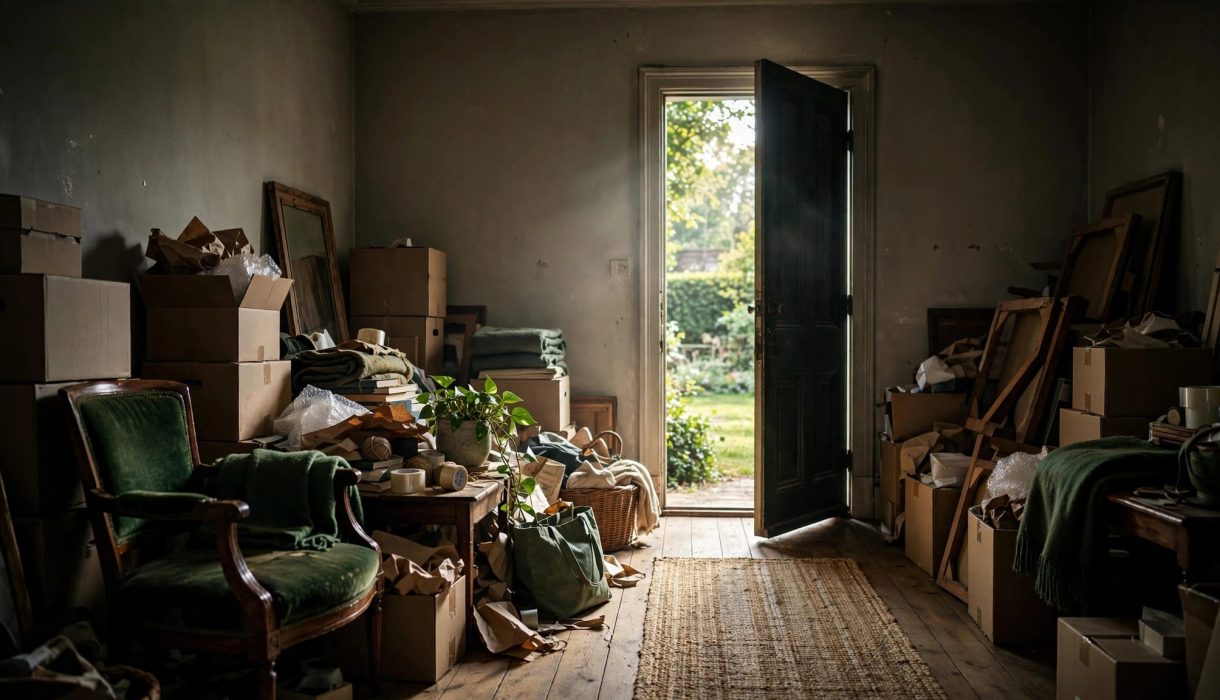

You may be ready to sell a hoarder house, but not ready to sort every box, bag, and piece of furniture. A full cleanout isn’t the only sale path to consider.
If you searched for “sell hoarder house,” you’re likely trying to find out whether the property can be sold before every room is cleared. In many cases, you can explore a sale first, then decide what to remove based on the buyer’s terms and local requirements.
Key Takeaways
- You can ask buyers or agents about selling the property in its current condition. No buyer is required to accept it, and you’ll need to compare actual terms.
- Check the home’s visible condition, access, and safety concerns before choosing a sale route.
- Compare net proceeds, fees, required work, access demands, and closing terms, not just the offered price.
- Selling as-is doesn’t remove disclosure duties. Requirements vary by location, so check with a qualified local professional.
Assess the Home Before Choosing a Sale Route
You don’t need to inventory every item before asking about a sale. You do need a practical picture of the property’s condition and what a buyer can safely inspect.
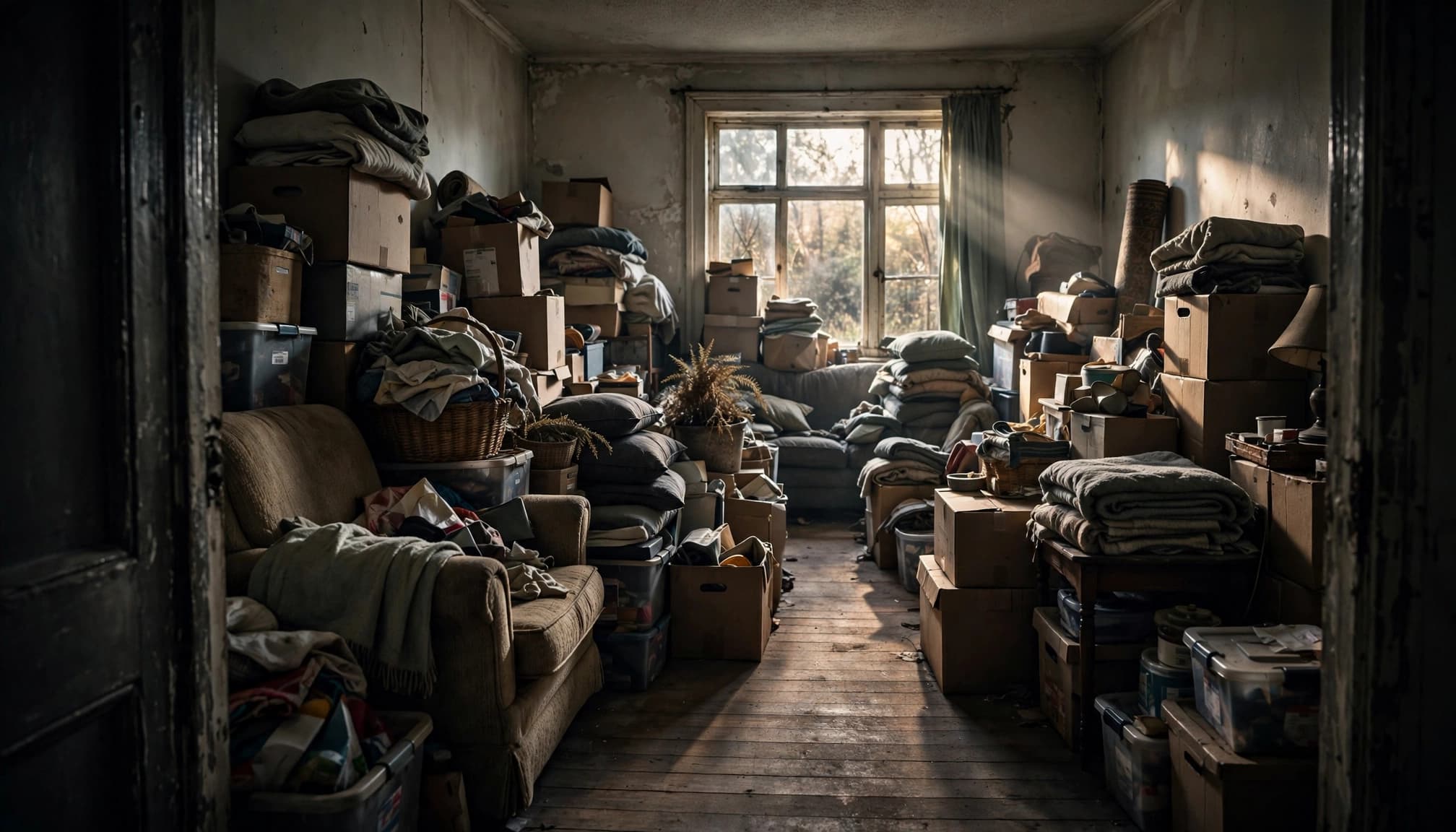
Note visible issues and limited access
Start with what you can see without moving heavy items. Record known problems such as roof leaks, broken windows, plumbing issues, damaged flooring, or signs of pests. Take photos from safe, accessible areas. Don’t enter rooms or move objects if doing so could cause injury.
Also note where belongings block access to doors, utility shutoffs, electrical panels, or major appliances. A buyer or inspector may need to reach those areas. If access is limited, say so before an appointment.
Separate what you know from what needs checking
A basic condition list isn’t a substitute for an inspection. It helps you describe the property honestly and ask relevant questions. If you’re an heir or family member, check records and ask others who know the home before stating that a system works or a repair was completed.
An inspector may be unable to assess areas blocked by belongings. That can affect the buyer’s decisions, so arrange access only where it’s safe and feasible.
If You Search “Sell Hoarder House,” Start With These Sale Routes
You can ask several types of buyers or professionals about a sale without committing to a full cleanout. Each route has different costs, access needs, and levels of price certainty.
Ask an investor about an as-is purchase
A direct investor may consider buying a property in its current condition, including one with substantial belongings inside. “As-is” describes the proposed condition of the sale. It doesn’t mean the buyer must accept the property or that you can skip required disclosures.
Ask what the buyer expects you to remove, whether they need interior access, how the offer was calculated, and which costs come out of your proceeds. Get the offer and any conditions in writing. Confirm who handles the closing and when you must leave the property.
Consider an agent who handles distressed properties
An agent with experience selling distressed homes can explain how to list the property and what buyers in your market may expect. Ask whether photos or showings can happen with belongings in place, what access is needed, and whether the agent recommends any limited cleanup.
An agent’s pricing opinion isn’t a guaranteed sale price. Ask how the suggested list price relates to comparable sales, the property’s condition, and likely buyer concerns.
Understand auction terms before agreeing
An auction can set a defined sale process, but the contract terms matter. In an absolute auction, the highest bidder wins regardless of price. In a reserve auction, the seller sets a minimum price. Review NAR’s guide to real estate auctions and ask the auctioneer what happens if bidding doesn’t meet the reserve, what fees apply, and whether the property must be vacant.
Compare Offers by What You Keep
A higher offer may not leave you with more money after costs, required work, and sale conditions. Compare the full terms side by side.
Add up costs and obligations
For each option, write down the offered price, agent commission if applicable, auction fees, closing costs, repair or cleanout costs, and any charges tied to title or liens. Include carrying costs if you’ll keep paying taxes, utilities, insurance, or maintenance while the sale is pending.
Also compare what happens to belongings. One buyer may require you to remove them before closing. Another may agree to take the property with items left behind. Get that point in writing. Don’t assume “as-is” covers personal property unless the contract says so.
Check conditions, timing, and certainty
Review the inspection period, financing terms, appraisal conditions, access requests, and proposed closing date. A cash offer may avoid a lender’s financing condition, but it can still include inspections or other requirements. Ask what would let the buyer cancel or change the offer.
Compare the amount you expect to receive after costs, not the price at the top of the offer. If the calculation isn’t clear, ask for the reasoning in writing and take time to review it.
Prepare for Showings and Inspections Without a Full Cleanout
A complete cleanout may not be required for every sale, but buyers still need enough access to judge the property. Set a limited plan that accounts for safety and privacy.

Make only the access changes you can manage
Ask the agent, buyer, or inspector which areas they need to see. Clear a safe path only if you can do so without moving heavy, unstable, or unsafe items. Don’t handle sharp objects, chemicals, or anything that may be contaminated. Contact a qualified cleanup or safety professional if there are hazards you can’t assess safely.
If some rooms can’t be entered, state that in advance. The buyer may require more access, adjust their offer, or decline to proceed. Confirm expectations before scheduling appointments.
Set rules for appointments and belongings
Choose a contact person who can arrange access and keep track of who enters. Put away documents, medication, valuables, and personal items where they can be reached safely. Tell visitors which areas are off-limits.
Ask how photos will be used and whether the listing can avoid close views of private belongings. For a direct buyer, confirm whether an in-person walkthrough is required. Don’t promise access to an area if it isn’t safe.
Check Disclosure and Safety Rules in Your Location
An as-is sale doesn’t automatically remove your duty to disclose known property conditions. The rules depend on where the home is and the type of sale. A local real estate attorney, agent, or other qualified professional can tell you what forms and disclosures apply.
Review seller disclosures and lead rules
NAR’s seller disclosure guide notes that sellers must disclose certain characteristics of a property. Ask a local professional which conditions you must disclose and how to complete the required forms. Don’t guess or leave out a known issue because the home needs work.
For most pre-1978 private housing, the federal Lead-Based Paint Disclosure Rule applies. The EPA’s explanation of the rule describes its scope. Sellers must also give potential buyers an opportunity to check for lead-based paint or lead hazards, as explained in the EPA’s buyer information.
Confirm local safety and sale procedures
Local rules may set requirements for unsafe structures, utilities, waste, access, or transfer documents. A property with blocked exits or other safety concerns may also affect whether people can enter. Ask the local building or health department, as appropriate, and consult qualified professionals before arranging work or access.
If you’re selling an inherited home, confirm who has legal authority to sign. Probate, co-owner consent, liens, and title issues can affect the sale. A title company or local attorney can explain which documents are needed.
Decide What Happens to Items Left in the Home
A sale can move forward before every item is sorted, but someone still needs to decide what happens to the belongings. Make that decision part of the written agreement, not a verbal assumption.
If you want to keep specific items, identify them clearly and arrange a safe way to retrieve them before closing. If several heirs or family members are involved, agree on who can remove property and by what date. Keep a record of items taken, especially when ownership is disputed.
For anything the buyer may remove, confirm whether the contract requires a vacant property, allows items to remain, or assigns responsibility for disposal. Don’t leave the details until moving day. The buyer may interpret the contract differently, and local rules may apply to disposal.
Frequently Asked Questions
Can I sell a hoarder house with belongings still inside?
You can ask buyers and agents whether they’ll consider it. Some may require access, removal of certain items, or other conditions. Get the requirements in writing before accepting an offer.
Do I have to clean the whole house before listing?
There isn’t one rule that applies everywhere. An agent can explain local market expectations, while an investor or auctioneer can tell you what their process requires. Safety and disclosure rules still apply.
Will an as-is buyer take everything left behind?
Don’t assume so. The contract should say whether personal property can remain, what must be removed, and who is responsible for disposal. Confirm this before signing.
Does an as-is sale mean I don’t have to disclose problems?
No. Disclosure requirements depend on location and the property. Ask a qualified local professional which conditions you must report.
Choose the Sale Path That Fits the Property and Your Limits
A full cleanout is not the only step you can take before asking about a sale. Start with a safe condition review, find out what access each buyer requires, and compare written offers after costs and conditions.
You don’t have to promise a particular price or outcome to explore your options. Be clear about what you know, verify local requirements, and agree in writing about the property and everything left inside.


