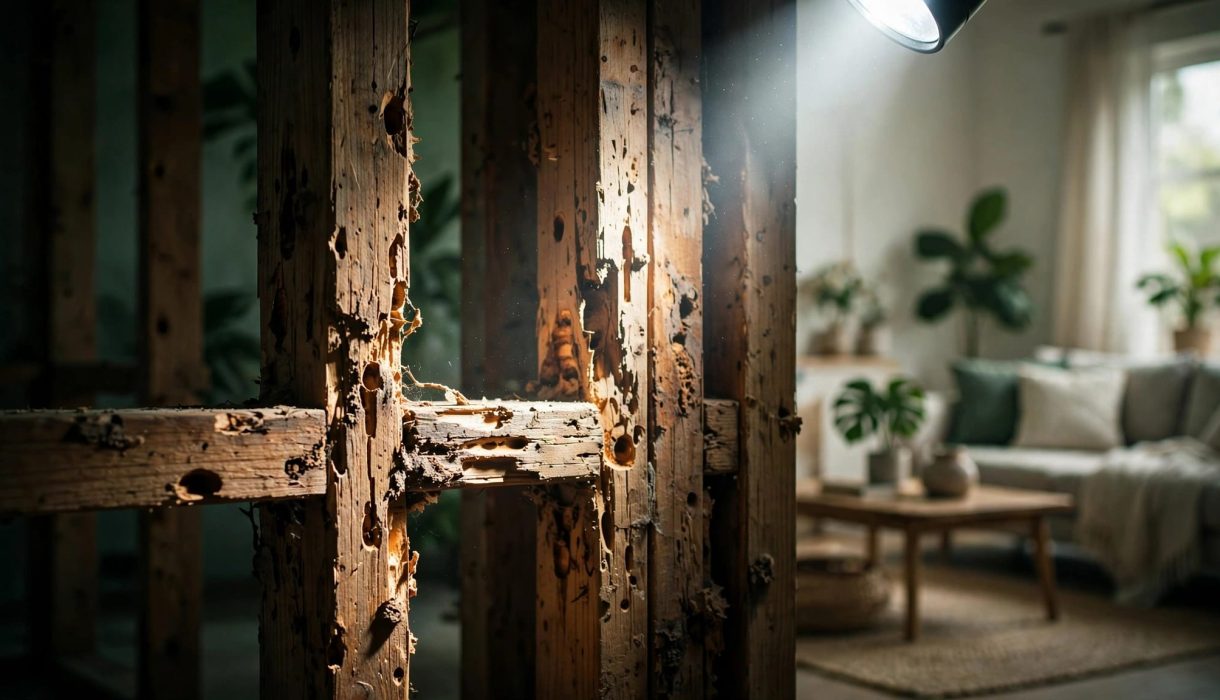

Termite damage doesn’t automatically stop a home sale, but it can change what buyers ask for and how they pay. If you’re selling a house with termite damage, start by separating current termite activity from damage left behind by a past infestation.
Your next steps depend on what an inspection finds, what records you have, and the disclosure rules where the home is located. Get the facts in writing before you set a price or agree to repairs.
What termite damage means for your sale
A buyer will want to know two things: whether termites are active now and whether the damage affects the home’s structure. Those are separate questions. A property can have old, treated damage with no current activity, or active termites with limited visible damage.
Past damage can still matter if weakened framing, floor joists, or other wood has not been repaired. A pest inspection may identify evidence of termites, but a qualified contractor may be needed to assess structural condition and estimate repairs.
Treatment addresses the infestation. It doesn’t automatically repair the wood termites damaged.
For that reason, avoid describing the home as “termite-free” based only on an old treatment invoice. Share what you know, and let current records support the description.
Get a termite inspection before listing
A current inspection gives you a clearer starting point. Ask a licensed pest-control professional to check accessible areas for signs of active termites, past activity, and conditions that could support another infestation. Confirm what areas the inspection covers and note any parts the inspector couldn’t access.
In some locations, the report used in a sale is called a Wood-Destroying Insect Inspection Report, or WDIIR. The Arizona Department of Agriculture’s WDIIR guidance describes the report as an official document prepared by a state-licensed pest-control business. Local report rules can differ.
Ask what the report does and doesn’t cover
An inspection report records observed conditions. It may not confirm what is behind finished walls or under flooring, especially if those areas aren’t accessible. Ask the inspector to identify limitations instead of treating an inaccessible area as cleared.
Inspection and treatment proposals can also be separate services. Arizona’s pest management FAQs distinguish a wood-destroying insect inspection from preparing a treatment proposal.
Keep the full report
Give your real estate agent a copy and keep one with your sale records. If a buyer orders a separate inspection, compare the findings with your report and ask the inspector to explain any difference. The reports may cover different areas or reflect conditions at different times.
Gather treatment and repair records
Records help you answer buyer questions with dates and documents instead of estimates from memory. Collect treatment invoices, inspection reports, repair receipts, contractor reports, and any warranty paperwork. If a pest-control agreement or warranty may transfer to a buyer, check its terms and confirm the transfer process with the company.
Separate treatment from repair
A treatment record shows what service was performed. It doesn’t establish that damaged wood was replaced or that a contractor found the structure sound. Keep those records separate so a buyer can see what was treated and what was repaired.
If you don’t have records, say so. Don’t suggest that work was completed unless you can support that statement. A new inspection can help clarify what is visible now, but it won’t recreate a missing treatment history.
Get a written repair estimate
If an inspector notes damaged framing or other structural wood, ask a qualified contractor to inspect it and provide a written scope. The estimate should identify the work being priced, any assumptions, and whether hidden damage could affect the final cost.
A clear estimate gives you a basis for deciding whether to complete the repair, adjust the asking price, or let the buyer take on the work. It doesn’t guarantee that no additional damage will be found after work begins.
Disclosure rules depend on where the home is
Seller disclosure duties and termite inspection requirements vary by state and sometimes by local rules or contract terms. Some disclosure forms ask about past or current pest activity, treatment, and repairs. Other areas handle pest reports through the purchase contract or lender process.
Ask a local real estate agent or real estate attorney which forms and rules apply before you list. A buyer’s inspection does not replace your duty to answer required disclosure questions truthfully. An “as-is” sale also doesn’t automatically remove disclosure obligations.
Disclose what you know
Answer the form’s questions based on your actual knowledge. Include known infestations, treatments, repairs, and reports when the form or local rules require them. If you’re unsure how to answer, ask a qualified local professional before signing.
Do not guess about dates, materials, or whether an infestation was fully resolved. Attach supporting documents where appropriate and keep a copy of what you provide to the buyer.
Don’t make a clean report promise too broad
An inspection reflects its findings and access on a particular date. It isn’t proof that hidden areas are free of damage. Share the report as written and let the buyer draw conclusions with their inspector and lender.
Buyer negotiations may focus on scope and cost
After reviewing the inspection and repair estimate, a buyer may ask you to treat active termites, repair damaged wood, reduce the price, or provide a credit at closing. The request is negotiable unless the contract, loan terms, or local rules require a particular action.
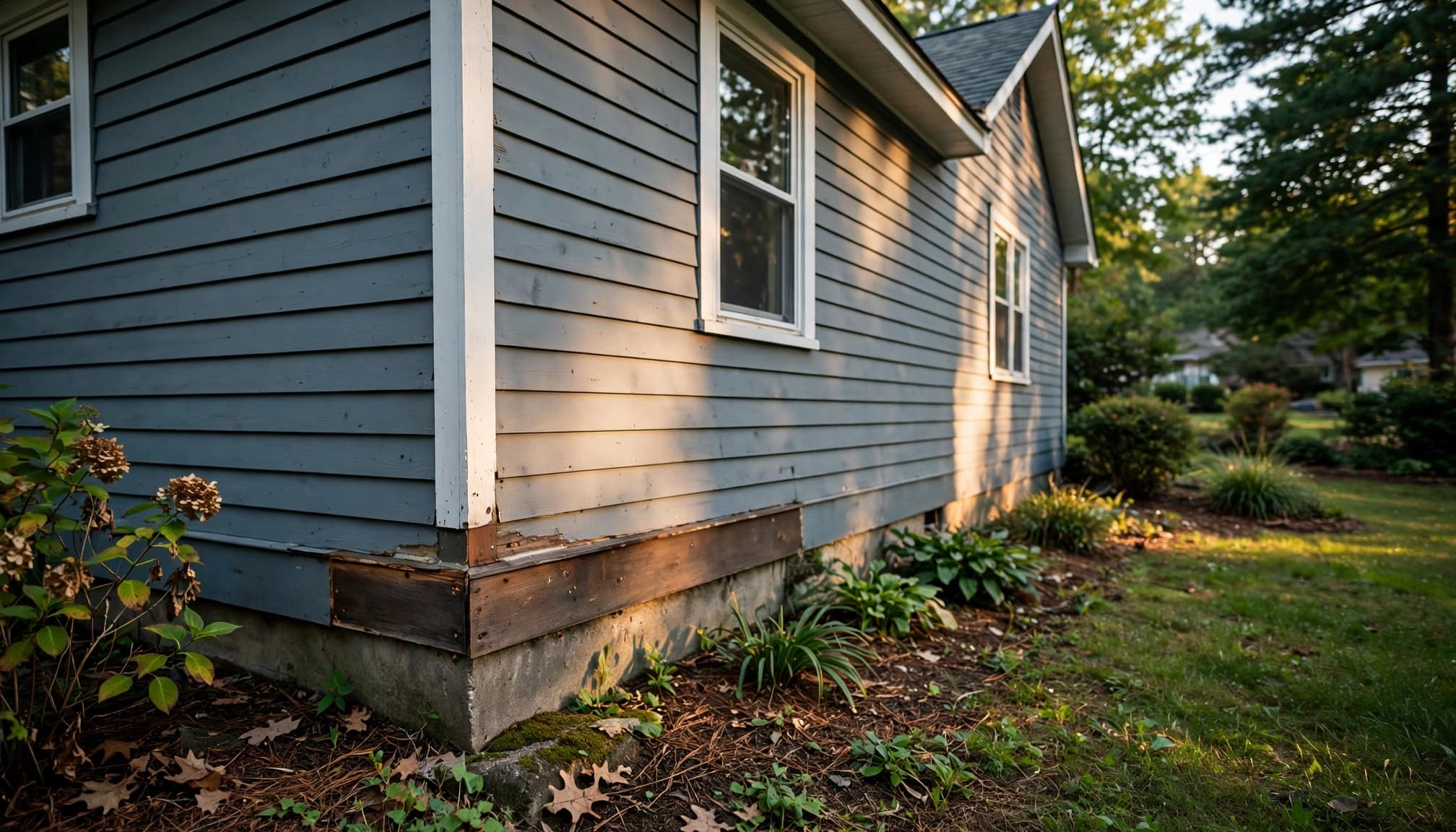
Start by asking for the inspection findings and a written estimate that explains the proposed work. If the buyer’s number seems high or the work description is unclear, get another qualified opinion. Compare the scope, not only the final price.
You can also ask the buyer to specify whether they want treatment, structural repairs, or both. Those address different issues. Put any agreement in writing, including who will arrange the work, who will pay, and what happens if additional damage is found.
A price reduction may be simpler than coordinating repairs, but it doesn’t guarantee the buyer’s lender will accept the property as-is. Check the contract and financing conditions before agreeing to a closing credit or repair plan.
Financing can affect the buyer’s options
A buyer’s loan program, lender, appraisal, local requirements, and inspection findings can all affect what happens next. Some transactions may require a pest inspection or evidence that a condition has been treated or repaired. The requirements aren’t the same for every loan or location.
HUD’s FHA pest-control reference guide discusses circumstances that can lead to an inspection. It is a reference, not a substitute for checking current requirements with the buyer’s lender. Ask the lender what the specific loan requires before promising a repair or setting a deadline.
The buyer should confirm any VA or other loan-specific inspection rules with their lender as well. Don’t assume the buyer can waive an inspection requirement, or that the lender will accept a credit instead of completed work.
Even a willing buyer may need time to obtain reports, contractor estimates, lender approval, or documentation before closing. Build those steps into contract discussions rather than relying on a verbal assurance that the issue is settled.
Homeowners insurance usually excludes termite damage
Standard homeowners policies generally don’t pay to repair damage caused by termites. The Texas Department of Insurance says home policies typically exclude damage from termites and other insects in its home insurance guide. Coverage depends on the policy and state, so a buyer should confirm details with their insurer.
This can affect a buyer’s decision even when the infestation was treated. They may want proof of the treatment, repairs, and current condition before arranging coverage. You can provide the documents you have, but don’t promise that the buyer’s insurer will accept them or cover future damage.
If the buyer raises an insurance concern, ask what document or inspection their insurer needs. The buyer should get the answer directly from the insurer rather than relying on a seller’s interpretation of a policy.
Decide whether to repair first or sell as-is
Repairing before listing can make the home easier for some buyers to evaluate. It can also mean paying for treatment, opening up finished areas, or waiting for contractors. Get estimates before deciding. A repair budget based on assumptions can grow once concealed wood is exposed.
Selling as-is may reduce the work you do before closing, but it doesn’t remove the need to disclose known issues or share required reports. Buyers can still inspect the property, ask questions, and negotiate. Your contract should state clearly what work, if any, you’ve agreed to complete.
A direct home buyer may consider a property in its current condition. Bud Holdings buys houses in 38 states and offers a written cash offer. Compare any offer with the likely proceeds from listing, including repair costs, carrying expenses, agent compensation, buyer concessions, and closing costs. A cash offer can be simpler, but it isn’t automatically the option with the highest net proceeds.
Frequently asked questions
Do I have to repair termite damage before selling?
Not in every sale. The answer depends on local rules, the purchase contract, and the buyer’s financing. You may be able to negotiate treatment, repairs, or a price adjustment, but confirm lender requirements before agreeing to leave work undone.
Is past termite damage as serious as an active infestation?
They’re different issues. Past damage may remain after treatment and still need repair. Active termites may require treatment even when visible damage is limited. A pest inspector can assess activity, and a contractor can assess the condition of damaged wood.
Can I sell a house with active termites?
A sale may still be possible, but active activity can lead to buyer concerns, lender conditions, or requests for treatment. Get a current inspection and speak with a local real estate professional before choosing how to market or negotiate the property.
Make the sale decisions with records in hand
Termite damage doesn’t decide the sale by itself. Current activity, structural repairs, disclosures, buyer financing, and insurance questions all matter. Get a qualified inspection, keep the treatment and repair records, and confirm local requirements before making promises.
That gives you a clear basis for deciding what to fix, what to disclose, and what terms you’re willing to accept.


