
An unfinished permit can raise questions during a home sale, but it doesn’t automatically stop the sale. Open permits usually mean a local building department’s record shows that a permitted project has not been formally completed or closed.
The next step is to find out what the record actually says. Rules, inspections, disclosure duties, and closing requirements vary by location and transaction. Start with the municipal record, then ask the building department what remains outstanding.
Key Takeaways
- An open permit is an unresolved permit record. It doesn’t necessarily mean the work is unsafe or that a house can’t be sold.
- An open permit and work done without a required permit are different issues. One can exist without the other.
- Check municipal records early and confirm the permit status with the building department.
- Possible next steps include arranging an inspection, completing work, providing records, or discussing a sale with the permit still open. The right option depends on local rules and the buyer’s requirements.
- Disclose information as required by local law and the sale documents. Don’t assume one state’s disclosure rules apply everywhere.
What an Open Permit Means
A permit is approval from a local authority to do certain construction or renovation work. Depending on the project and location, that work may require inspections before the permit can be closed.
An open permit generally means the municipal record doesn’t show the permit as completed. The project might be unfinished, an inspection might still be due, or paperwork may not have been updated. The record alone won’t tell you which applies.
The permit record is not the whole story
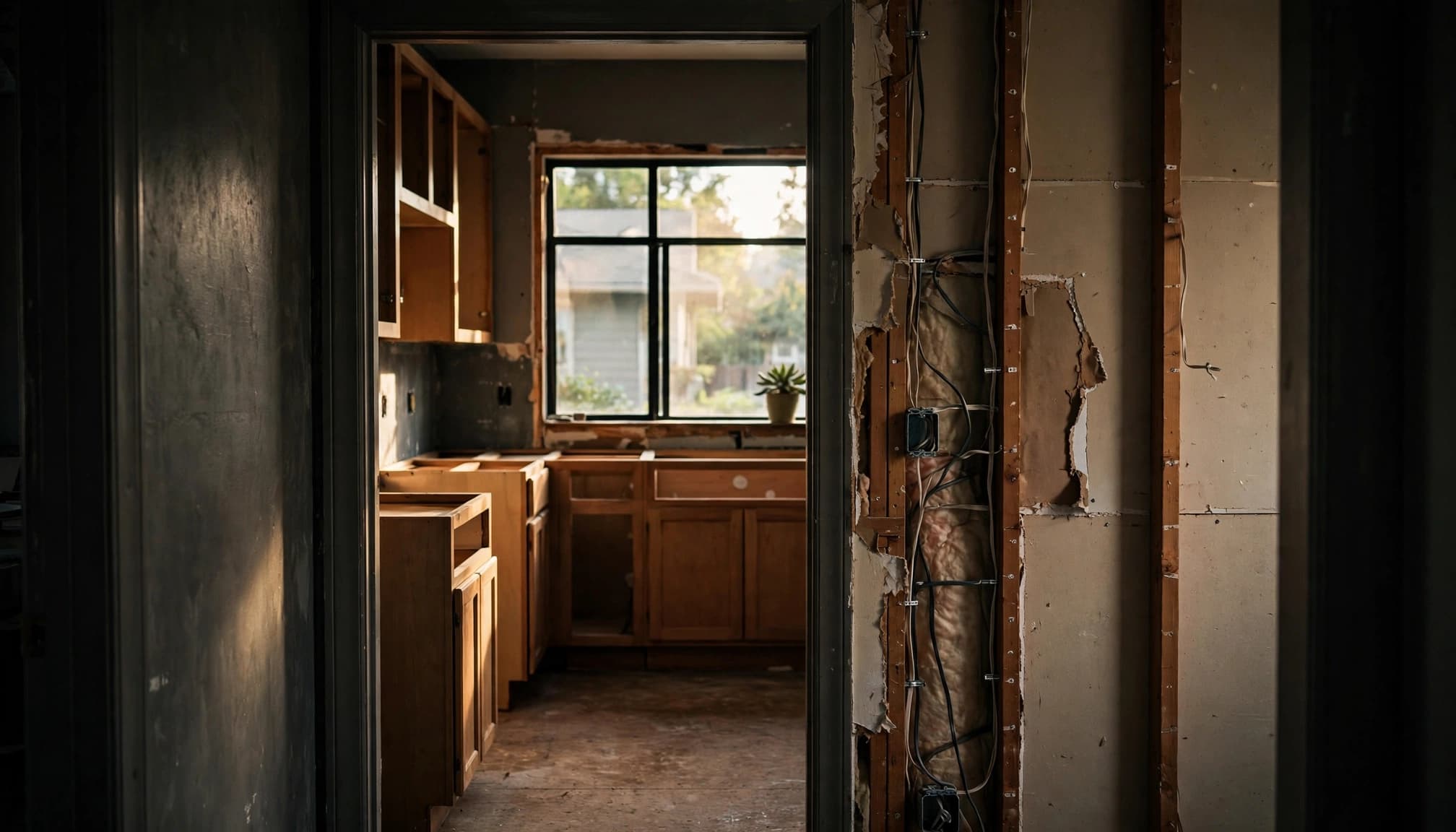
An open record doesn’t automatically prove that work is defective or incomplete. A final inspection may have happened without the permit status being updated, or a project may have stopped before all required work was done.
Ask the building department for the permit number, project description, inspection history, and any outstanding requirements. Get the answer in writing if possible. That gives you something concrete to share with a buyer, contractor, or title company.
Open permits are not the same as unpermitted work
An open permit usually involves work that was permitted but not formally closed. Unpermitted work is work done without a permit when one was required. The two issues can overlap, but they aren’t interchangeable.
For example, a permitted bathroom renovation may still have an open final inspection. A finished basement completed without a required permit raises a different question. The local building department can tell you what records exist and what rules apply to each situation.
How Open Permits Can Affect a Home Sale
An open permit can prompt questions during negotiations, inspections, or closing. What happens next depends on the permit, local rules, the purchase agreement, and the buyer’s plans. It doesn’t automatically prevent a sale.
A buyer may ask for permit records, an inspection, completed work, or a price adjustment. A lender or insurer may also ask questions about a specific project. Those requests depend on the property and the transaction, not on one rule that applies everywhere.
An open permit is not automatically a title problem
Permit status is a municipal record. It doesn’t automatically mean there’s a title defect or a lien against the property. Separate issues, such as a recorded municipal lien or violation, may come up in some places. A title company can explain what its search found and what it needs to address for the closing.
Don’t assume that a title search will identify every open permit. Ask the title company, buyer, and local building department what records they check and what documentation they need.
Be clear about disclosure
Disclosure rules vary by state and transaction. You may need to disclose known work, permit status, defects, or notices, depending on local law and the forms you sign. Don’t guess or rely on a disclosure rule from another state.
The Wisconsin REALTORS® Association discusses seller disclosures in its guidance on a seller’s disclosure obligations. Its information is tied to its own context, so check the disclosure form and legal requirements that apply where your house is located. Share what you know accurately. Don’t describe an open permit as closed unless you have confirmation.
What to Check Before Listing
Check the permit record before your listing goes live. Early answers give you time to complete work or decide how to handle the permit in the sale.
Search municipal records
Look up the property on the building department’s website, or contact the department directly. Search by address and, if available, by parcel number or permit number. Save copies of permits, inspection results, approvals, notices, and contractor documents.
Online systems differ. Boston lets users apply for, pay for, and print select permits through Boston Permitting. The City of Albuquerque explains the difference between asking for information and making a formal records request. If the online record is incomplete, ask the municipality how to request the full file.
Call the building department
Ask whether the permit is open, why it remains open, and what needs to happen next. Find out whether an inspection is required, whether the original contractor must be involved, and whether there are deadlines or fees. Procedures vary. Jersey City, for example, lets users request permit inspections through its online permitting and licensing portal.
Write down the date, the name of the person you spoke with, and the instructions you received. If the answer affects your listing or closing, ask for written confirmation.
Options for Resolving an Open Permit
There isn’t one fix for every open permit. First find out whether the record needs an administrative update, an inspection, or additional work. Then compare the local requirements with your timeline and sale plans.
Complete the inspection or paperwork
If the work is finished and the department says a final inspection is still due, ask how to schedule it. Keep the inspection result and confirmation that the permit is closed. If the department only needs missing documents, submit them and keep copies.
A completed permit gives a buyer a clearer record. It may also prevent avoidable questions later. Don’t assume that a contractor’s statement or an old invoice is enough to close a permit. Confirm the specific requirement with the building department.
Address unfinished or unpermitted work
If work remains incomplete, ask the department whether it must be finished before inspection and whether a licensed contractor is required. If work was done without a required permit, ask what the local process is. Some places may require an application, inspection, or changes to the work, but this isn’t a universal remedy.
Philadelphia, for example, says a building permit is required before starting a project that constructs a new building or enlarges or adds to an existing structure. Its building permit information describes Philadelphia’s rules, not a nationwide standard. Check your own municipality before arranging work or assuming what can be approved after the fact.
Selling Before the Permit Is Closed
Sometimes a seller can’t or doesn’t want to complete the permit process before listing. Whether a sale can proceed depends on local requirements and the buyer’s terms. Ask the building department, your real estate professional, and the closing company what they need before agreeing to a plan.
You may be able to sell with the permit still open if the buyer accepts the status and the transaction can close under applicable rules. The purchase agreement may address who will complete the work, who will pay related costs, or what records must be provided. Put any agreement in writing. Don’t rely on a verbal promise to resolve an issue after closing.
A buyer may also ask for a price change or request that work be completed before closing. You can accept, negotiate, or decline, subject to the contract and local law. If you consider an as-is sale, remember that “as is” doesn’t remove disclosure duties that apply to you.
Frequently Asked Questions
Does an open permit stop me from selling my house?
Not automatically. An open permit may lead to questions or conditions from a buyer, lender, insurer, municipality, or title company. Whether it affects the sale depends on local rules and the terms of the transaction. Confirm the permit status before you promise a buyer that no work or paperwork remains.
Do I have to close a permit before listing?
There isn’t one answer for every location. Some sellers resolve permits before listing because it makes the record clearer. Others list with the permit still open and explain the known status. Ask your building department whether it requires action before a transfer, then check any disclosure and contract requirements that apply.
How do I find out whether a permit is open?
Search your municipality’s permit portal or contact its building department. Use the property address and any permit numbers you have. Ask for the inspection history and outstanding requirements. If the online information is limited, ask how to request the full municipal record.
What if I can’t afford to finish the work?
First ask the department what is actually required. The answer may be an inspection or missing paperwork rather than more construction. If work is needed and you can’t complete it before the sale, discuss the options with the buyer and put agreed terms in the contract. Don’t conceal the permit or promise a resolution you can’t deliver.
Get the Permit Facts Before You List
An open permit is a record that needs checking, not an automatic verdict on your sale. Find out what is still required, keep the documents, and get local guidance before you set expectations with a buyer.
If you can close the permit before listing, you may reduce uncertainty. If you can’t, explain the status accurately and agree in writing on any next steps.


One thought on “What Open Permits Mean When Selling Your House”