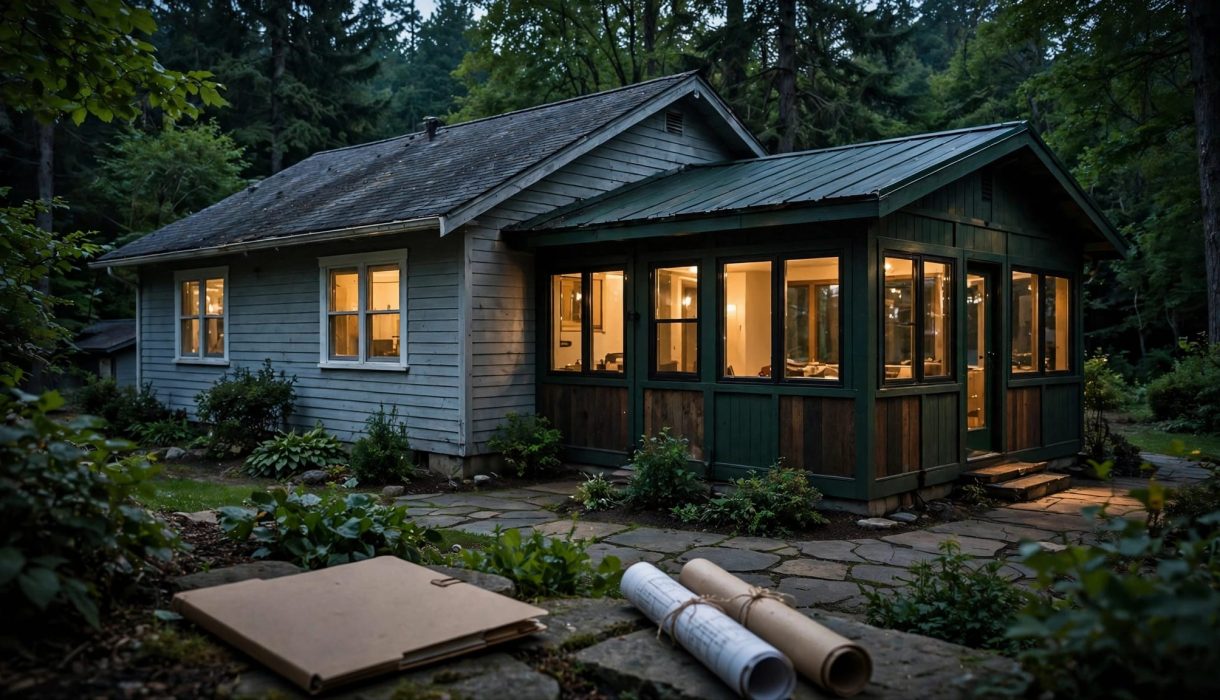

An extra bedroom or enclosed porch can make a home more useful, but an addition without permits can raise questions during a sale. You can sell a house with unpermitted additions, but you need to confirm the facts, follow local disclosure rules, and set a price that reflects the risks.
Don’t assume the work can be approved after the fact, or that an as-is sale will suit every buyer or lender. Start with the local building department, then compare your options with a qualified real estate professional or attorney.
Key Takeaways
- Permit and disclosure rules vary by location. Confirm the history with your local building department and check your state and local requirements.
- Disclose what you know. An as-is sale does not automatically remove disclosure duties.
- Ask whether after-the-fact permits or corrections are possible, but don’t count on approval before the department reviews the work.
- Describe the addition accurately. Don’t present unverified square footage as permitted living area.
- Compare the likely costs, time, and sale terms before deciding whether to repair, pursue permits, or sell as-is.
What Counts as an Unpermitted Addition?
An addition may be unpermitted if it was built without a permit that local rules required. That can include a room added to the house, an enclosed porch, or an expansion that changed the structure. Work to electrical, plumbing, or heating systems may also have required separate permits.
Permit rules vary. A small project may not require the same approvals in every city, and an old addition may have been completed under different rules. Don’t rely on appearance or a prior owner’s account to confirm its status. The overview of unpermitted work explains the kinds of construction that may fall into this category.

Missing paperwork isn’t always proof
A search that turns up no permit record doesn’t always settle the issue. Older files may be incomplete or stored outside an online system. Ask the building department how it handles historical records and whether you can submit a records request.
Also separate “no permit found” from “work confirmed to be unpermitted.” The department may be able to clarify what records it has, what approvals the work required, and whether there are open violations.
A permit and final approval are different
A permit may show that work was authorized, but it doesn’t always prove that required inspections passed or that the project received final approval. Ask for the permit status, inspection history, and any final sign-off. Keep copies of plans, permits, invoices, and communications with the department.
Check the Permit History Before You Choose a Sale Plan
Contact the building department for the property’s address. Ask for permit records covering the addition and any structural, electrical, plumbing, or mechanical work related to it. If the records are online, check them yourself, then confirm unclear results with staff.
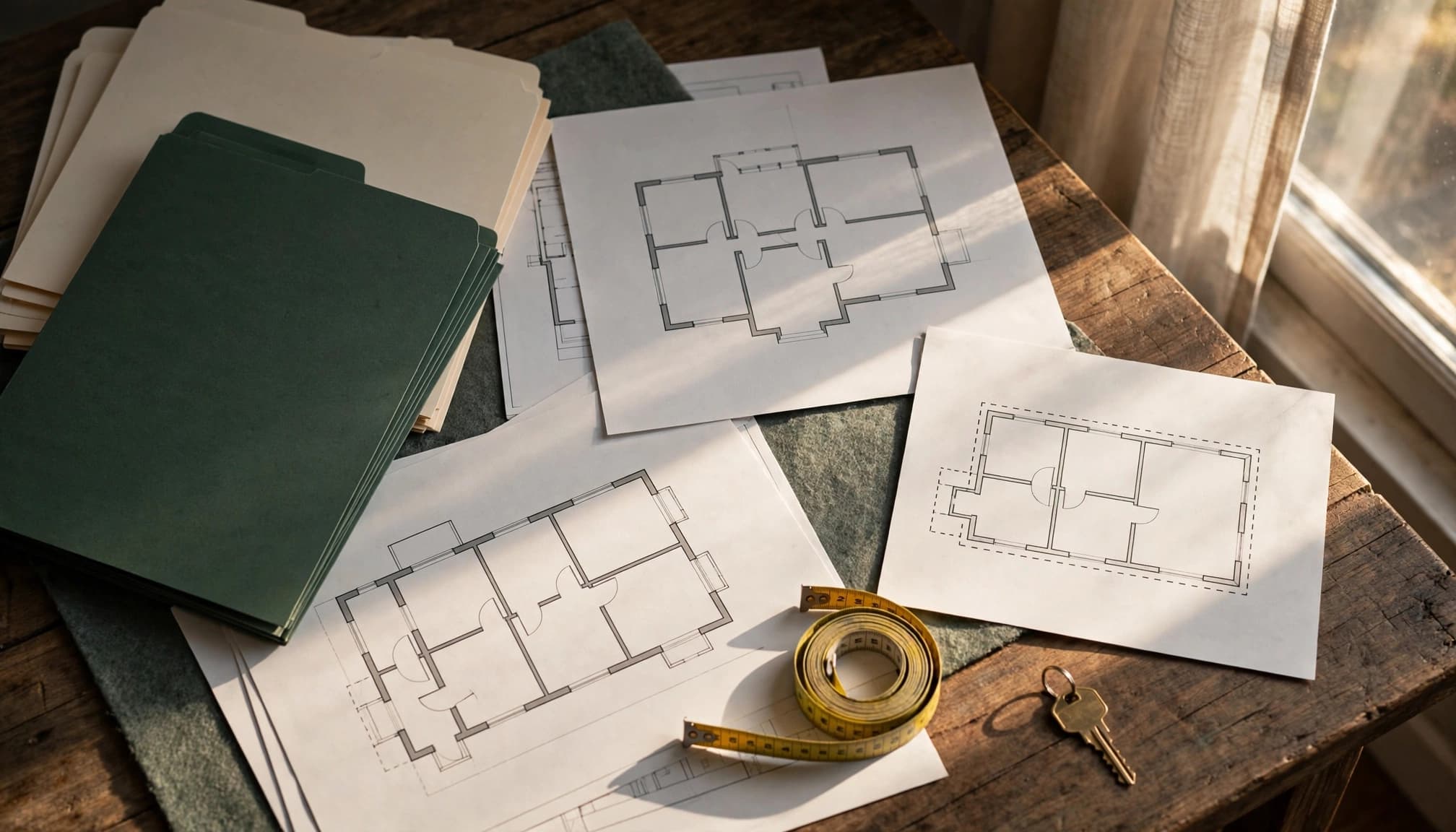
Gather the documents you have
Collect plans, inspection reports, contractor invoices, dated photos, and any prior disclosures. Write down who completed the work and when, if you know. Don’t fill gaps with guesses. Record what you can verify and what remains unknown.
A real estate professional can help you organize information for a listing, but shouldn’t replace the building department’s permit records or legal advice. If the history is unclear or a buyer raises legal questions, consult a qualified real estate attorney in your area.
Ask direct questions
Ask the department which permits were required when the work was done, whether the addition has an open permit or violation, and what steps may be available now. Request answers in writing when possible. Requirements can depend on local codes and the details of the work, so a general online answer may not fit your property.
Compare Your Options Before Listing
Once you know what the records show, compare the costs and consequences of each path. The right choice depends on the addition’s condition, local requirements, your time frame, and what buyers are likely to accept.
Ask about after-the-fact permits
Some local departments may allow an owner to apply for permits after work is complete. That process can involve plans, inspections, engineering review, opening finished surfaces, or correcting work. The department decides what applies. Approval is not guaranteed, and the work may not be eligible for retroactive permits.
Before hiring a contractor or starting demolition, ask what the department requires and get an estimate for the full process. Compare that cost and timing with the likely effect on your sale. Don’t assume a permit application alone resolves the issue.
Consider repair, removal, or an as-is sale
Depending on the department’s response, you may be able to correct the work, remove the addition, or sell with the issue disclosed. These options can carry different costs and delays. Get written estimates before deciding that one is cheaper.
An as-is sale may reduce the work you do before closing, but it doesn’t guarantee a buyer will accept the condition or that a lender will approve financing. Some buyers may ask for inspections, price changes, or additional documents. Others may decide not to proceed.
Disclose Accurately and Describe the Addition Carefully
Disclosure duties depend on state and local law, the sale documents, and what you know about the property. Don’t assume the same form or rule applies everywhere. Review the required documents with a qualified local real estate professional or attorney before accepting an offer.
Nolo’s explanation of unpermitted construction disclosures notes that requirements vary by jurisdiction. California offers one example: the Department of Real Estate’s RE 6 disclosure guide discusses room additions and alterations made without necessary permits.
State what you know, not what you assume
If you know permits were not obtained, say so in the required disclosure process. If you don’t know whether a permit was issued, describe that uncertainty accurately. Include relevant records and communications. Don’t label an addition “permitted” based on a contractor’s statement or a prior owner’s claim unless you have documentation.
An as-is clause does not automatically remove disclosure duties. It also doesn’t prevent buyers from asking questions or reviewing records. Get legal advice if you’re unsure what you need to disclose.
Use careful listing language
Avoid counting an addition as legal living space unless you’ve confirmed how local rules and listing standards apply. Describe it as an addition or enclosed porch, as appropriate, and state that its permit status is unverified or that required permits weren’t obtained, if that is what you know.
Accurate language helps avoid a later disagreement about what was represented. Ask your agent how the local listing service handles unverified square footage and how to present it without implying approval.
Prepare for Appraisal and Buyer Questions
An addition can affect how buyers, appraisers, and lenders view the property. The answer may depend on the condition of the work, the available records, and the buyer’s financing. Don’t promise a buyer that a lender will count the space or approve the property.
Understand the appraisal review
Fannie Mae’s appraisal guidance on improvements says that when an appraiser identifies an addition without a required permit, the appraiser must comment on the quality and appearance of the work. That doesn’t mean every unpermitted addition is automatically excluded from value. It also doesn’t guarantee the lender will accept the property without further review.
The buyer’s lender decides what documentation or corrections are needed for that loan. A buyer paying cash may not have a lender’s appraisal requirements, but still may seek inspections or price the risk into an offer.
Keep facts and estimates available
Have permit records, contractor estimates, inspection reports, and known repair issues ready to share. If the buyer asks whether the addition can be legalized, refer them to the local department rather than giving a guarantee. If you have no written confirmation, say so.
A buyer’s questions are not a reason to change your account of the work. Keep disclosures and responses consistent, and consult your agent or attorney if you’re asked to make a legal or technical representation you can’t verify.
Choose a Sale Route That Fits Your Priorities
A traditional listing may reach more buyers, but the process can involve repairs, showings, inspections, and negotiation. If you’re considering that route, ask an agent how the addition may affect the listing description, price, and buyer pool. Get a clear estimate of likely costs before authorizing work.
A direct property buyer may be another option if you prefer not to make repairs or host showings. Bud Holdings says it buys homes in any condition in 38 states and handles closings through licensed local title companies. A cash offer isn’t automatically the highest net offer, and it doesn’t erase your disclosure duties. Review the written terms, the offer calculation, and the proposed closing process before deciding.
Compare the expected net proceeds, not only the headline price. Include repairs, permit work, carrying costs, closing costs, commissions if applicable, and the risk of a buyer withdrawing. Ask questions until you understand what each offer requires from you.
Frequently Asked Questions
Can I sell a house with an unpermitted addition?
In many cases, a sale can proceed, but the requirements depend on your location and the specific property. Confirm permit history with the building department, disclose known issues as required, and check whether a buyer’s lender may have additional conditions. Neither an as-is contract nor a cash offer guarantees acceptance.
Do I have to disclose an addition if I didn’t build it?
Your responsibilities depend on local law and the facts you know. Don’t assume you can omit the issue because a prior owner did the work. Review your disclosure forms with a qualified real estate professional or attorney, and distinguish confirmed facts from unanswered questions.
Should I get a retroactive permit before selling?
Ask the local building department what options exist and what they would require. The process may involve inspections, plans, or corrections, and approval isn’t guaranteed. Compare the potential cost and delay with the terms of selling while disclosing the issue.
Can the addition count toward the home’s square footage?
Don’t assume that it can be counted as permitted living area. Listing rules, local requirements, and appraisal treatment can differ. Confirm how the area should be described with your local real estate professional, and disclose its permit status accurately.
Make the Next Step a Documented One
Before choosing whether to repair, seek permits, or sell as-is, get the permit history and ask the building department what the records mean. Then review disclosure requirements and compare the costs and terms of your sale options.
The addition may be usable, but its status still matters. Keep your statements factual, your documents available, and your expectations clear.


